
Homeowners know that security is more than alarm systems and it’s more than cameras. What it’s really about is having peace of mind. If you’ve been looking into security dogs for sale, you may be wondering whether a trained dog is the right fit for your property, and your lifestyle. Home security dogs offer a distinctive combination of companionship and protection. Understanding how they work, who they’re best suited for, and what’s involved with owning one can help you make an informed decision.
What Are Home Security Dogs?
Home security dogs are highly-trained, and they provide controlled, reliable protection for a property and the people who live there. Unlike untrained guard dogs, a trained protection dog is taught to stay calm, obedient, and responsive while also being capable of intervening if a real threat arises.
Most of the people who are exploring security dogs for sale are looking for more than deterrence. They want a dog that integrates well into daily life while offering an added layer of safety.
How Home Security Dogs Protect Your Property
A common question is: how do home security dogs work?
First, they act as a strong visual deterrent. Their presence alone can discourage unwanted activity. Second, they are trained to alert their owners to unusual behavior. Third, in rare cases where intervention is necessary, a properly trained protection dog responds only under command or when a genuine threat is identified.
Unlike alarm systems that can only notify after an incident begins, personal protection dogs provide a proactive presence. They are aware, controlled, and very closely bonded with their handlers.
Types of Properties That Benefit Most
Not every property requires the same level of security. There are certain environments that are particularly well-suited for home protection dogs:
- Homes with acreage
- Larger residential properties
- Estates or gated properties
- High-profile households
- Rural or semi-rural homes
In some cases, estate protection dogs are selected for properties that are larger, where perimeter awareness is important. For executives or other individuals with elevated visibility, executive protection dogs may offer both residential and travel-based security.
Who Is a Good Candidate for a Home Security Dog?
A home security dog is well-suited for owners who:
- Want a daily companion along with security
- Are comfortable handling a structured, trained dog
- Are willing to maintain training standards
- Value deterrence as part of their safety strategy
Families often consider family protection dogs because they want a balance between safety, and a stable home environment. These dogs are trained to behave appropriately around children while also being protective when it’s needed.
What Makes a Dog Suitable for Home Protection
Not every dog has the temperament required for this role. A suitable trained protection dog must demonstrate:
- Stable nerves
- Confidence without unnecessary aggression
- Strong obedience
- Clear responsiveness to commands
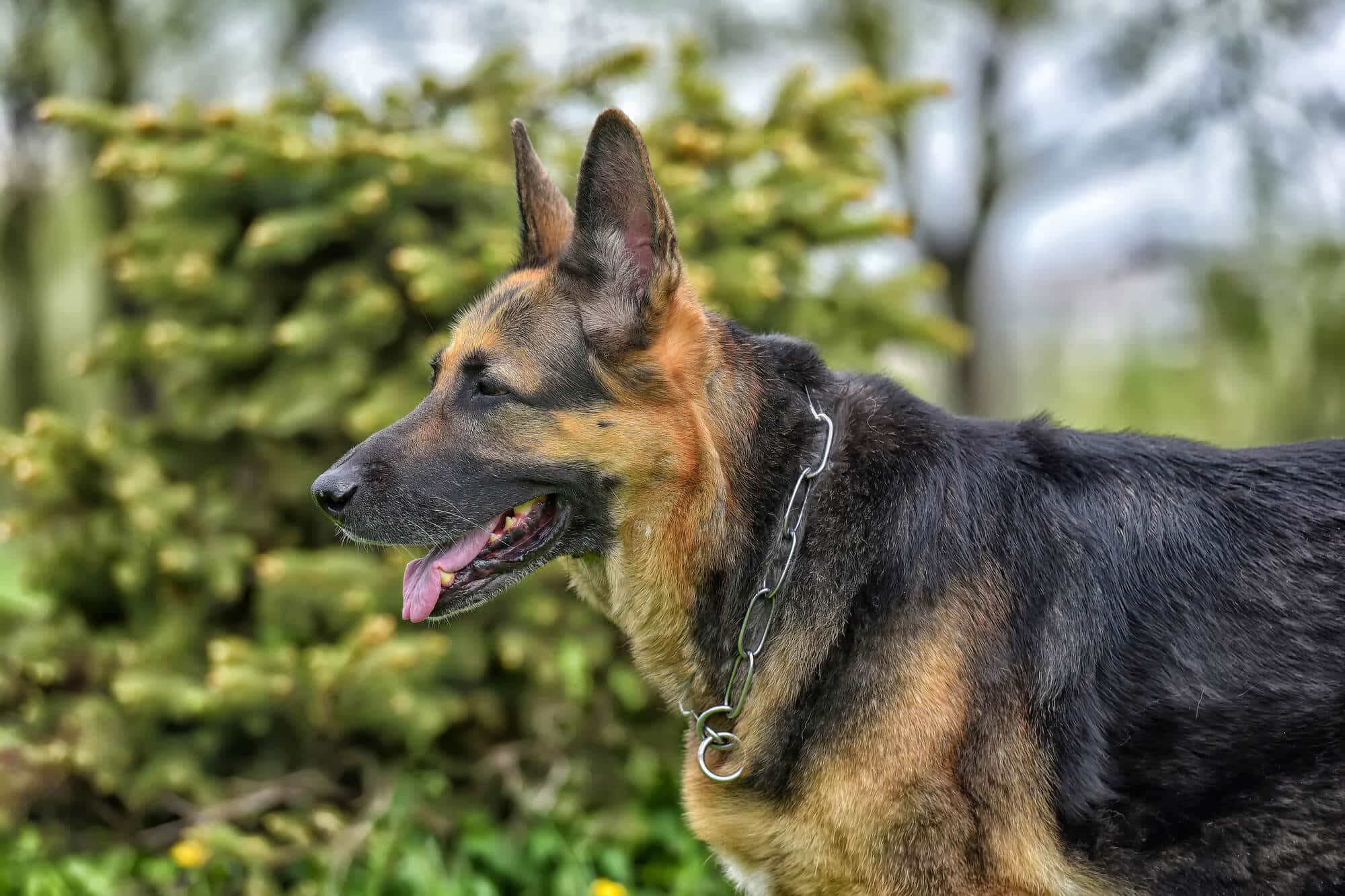
Breeds that are commonly used include German Shepherds and Belgian Malinois because of their intelligence and trainability. Temperament, however, is more important than breed alone.
When you are researching security dogs for sale, make sure to prioritize training quality and temperament over appearance.
How Home Security Dogs Are Trained
Professional training is what separates working protection dogs from typical guard dogs. Training includes:
- Exposure to various environments
- Advanced obedience
- Controlled protection exercises
- Socialization with people and settings
- Handler control and responsiveness
Scott’s K9 focuses on pairing clients with dogs that match their lifestyle and security needs. Training emphasizes discipline and stability, never uncontrolled aggression.
This structured preparation ensures the dog can function safely as one of the household’s personal protection dogs.
Living with a Home Security Dog
Owning a home protection dog isn’t like owning a standard pet. While these dogs integrate well into daily routines, they also require ongoing structure and leadership.
Many owners of family protection dogs describe the experience as living with a loyal companion who is both affectionate and alert. These dogs accompany their owners throughout the day, rest comfortably in the home, and stay aware of their surroundings without constant tension.
When owners are consistent with commands and reinforcement, it helps the dog stay reliable over time.
Myths about Home Security Dogs
There are many misconceptions about security dogs for sale.
Myth 1: They are aggressive by nature.
The reality is that properly trained protection dogs are stable and controlled.
Myth 2: They can’t live with families.
Well-trained family protection dogs are selected specifically because of their balanced temperaments.
Myth 3: They replace all other security measures.
Protection dogs are one layer of security and are not a substitute for other tools.
When these distinctions are understood, it helps owners set realistic expectations.
Combining Dogs with Other Security Measures
Home security dogs are most effective when they are integrated into a broader safety plan. Cameras, alarms, lighting systems, and controlled access points are all complementary to the presence of a trained protection dog.
For larger properties, estate protection dogs can work alongside gated entry systems and perimeter monitoring. In executive households, executive protection dogs may support both residential and personal security plans.
Layering protection strategies means developing comprehensive coverage.
Things to Consider Before Purchasing
Before investing in security dogs for sale, take into consideration:
- Your property size and the layout
- Your lifestyle and daily routine
- Your ability to handle a structured working dog
- Ongoing training and maintenance requirements
A protection dog is a long-term commitment. Understanding the responsibilities involved paves the way to a successful placement.
The Matching Process: Finding the Right Dog
A reputable provider will assess both the dog and the owner. Matching involves evaluating:
- Temperament compatibility
- Property and environment
- Security goals
- Family dynamics
The goal here is to make sure that the dog’s personality and its training are in alignment with the owner’s expectations. This careful process helps ensure that the selected trained protection dog integrates smoothly into the home.
What to Expect When Buying a Home Security Dog
When purchasing, clients typically receive:
- Demonstrations of obedience and protection skills
- Fully transparent information about training
- Guidance on handling and commands
- Support during the transition
Companies specializing in security dogs for sale, including Scott’s K9, emphasize education and clarity throughout the entire process to help owners feel confident in their decision.
Long-Term Support and Maintenance Training
Training does not end at purchase. Ongoing reinforcement ensures that the dog stays sharp and reliable. Owners of personal protection dogs benefit from continued practice, structured routines, and clear leadership to preserve the dog’s responsiveness.
Home Security Dogs Offer Protection That Lives with You
Home security dogs provide something rather unique: protection that lives right alongside you. They are companions trained to respond appropriately when it matters most.
If you are exploring security dogs for sale, working with a reputable provider is important. Scott’s K9 focuses on carefully trained protection dogs and responsible placement processes. With the right match, a home security dog can offer confidence, stability, and a protective presence that integrates naturally into daily life.