Who Buys a Protection Dog in Dallas
Dallas buyers tend to arrive at the same decision from different directions. The profiles below account for most placements in the metro, and each one changes which dog we recommend and how the handler coaching is structured.
Executives and Business Owners
Leaders in finance, real estate, energy, technology, and healthcare often want protection that reads as a family dog rather than a visible security presence. These placements usually involve a downtown or Uptown office routine, a driver or assistant, and a home that is empty during the day and busy at night.
Families and Two-Career Households
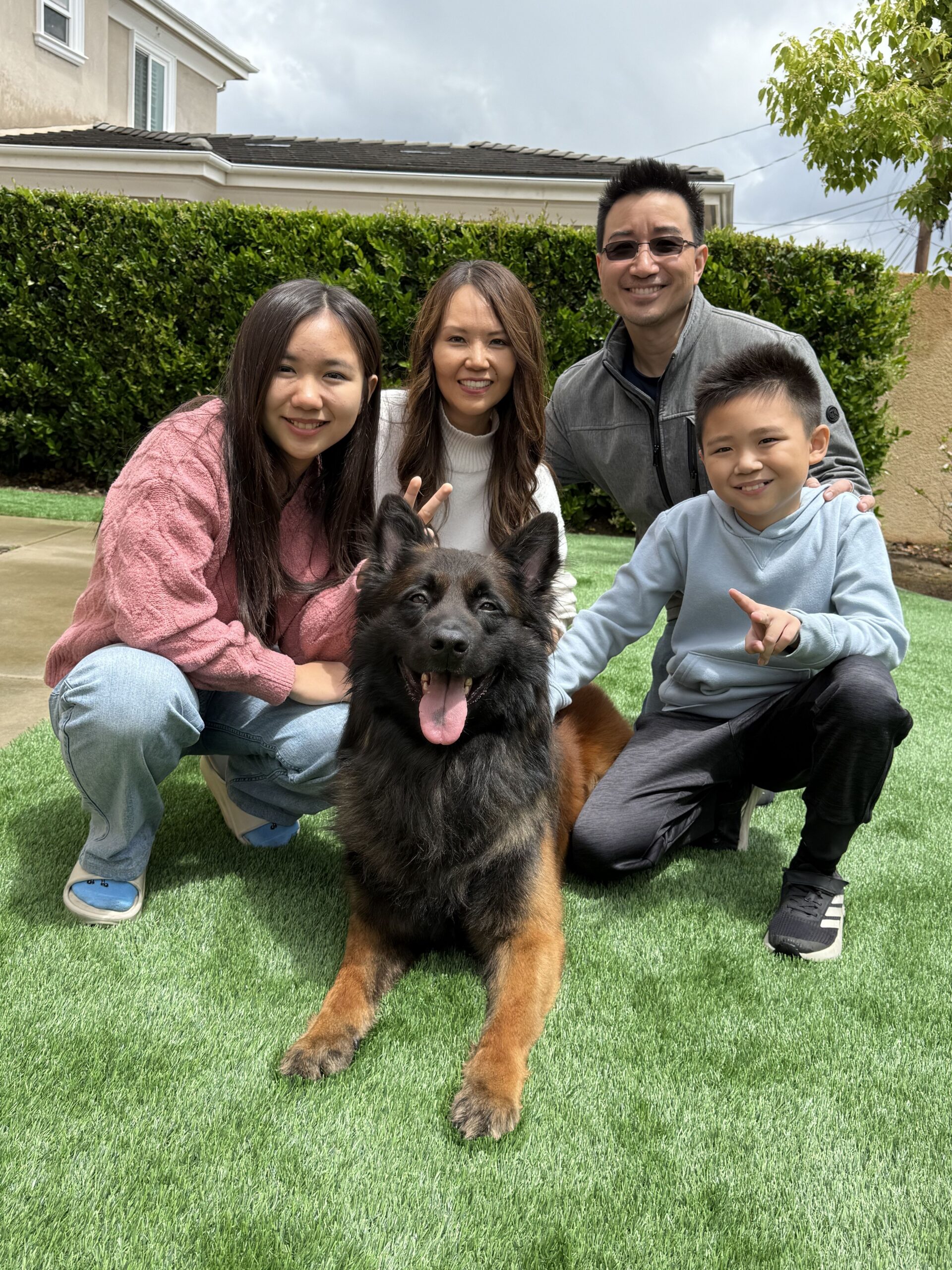
Parents who are out of the house on different schedules want a dog that is reliable with children, sitters, and after-school traffic, and awake to the perimeter when only part of the family is home. Suburban placements in Frisco, Plano, and Southlake most often fall into this group.
High-Profile and Privacy-Focused Buyers
Public figures, athletes, and privacy-conscious owners frequently prefer a trained dog to a standing security team because it draws no attention and does not put an unfamiliar person inside the home. Discretion is part of the placement, from the delivery vehicle to the coaching schedule.
Estate and Gated Property Owners
Owners of larger lots and gated properties need dogs with dependable perimeter awareness and clear boundaries around gates, guest parking, and service entrances. Handler coaching here covers gate protocol, landscaping and pool crews, and staff introductions.
Matching is based on your household, your handler experience, and what you want the dog to do on an ordinary day rather than on which dog happens to be available.
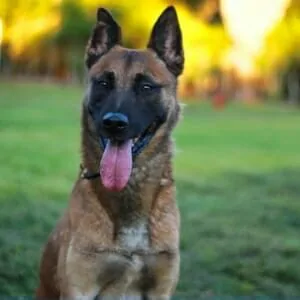
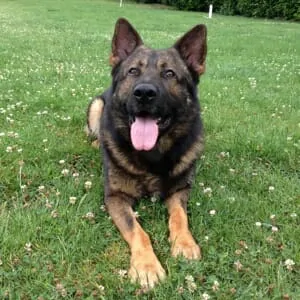
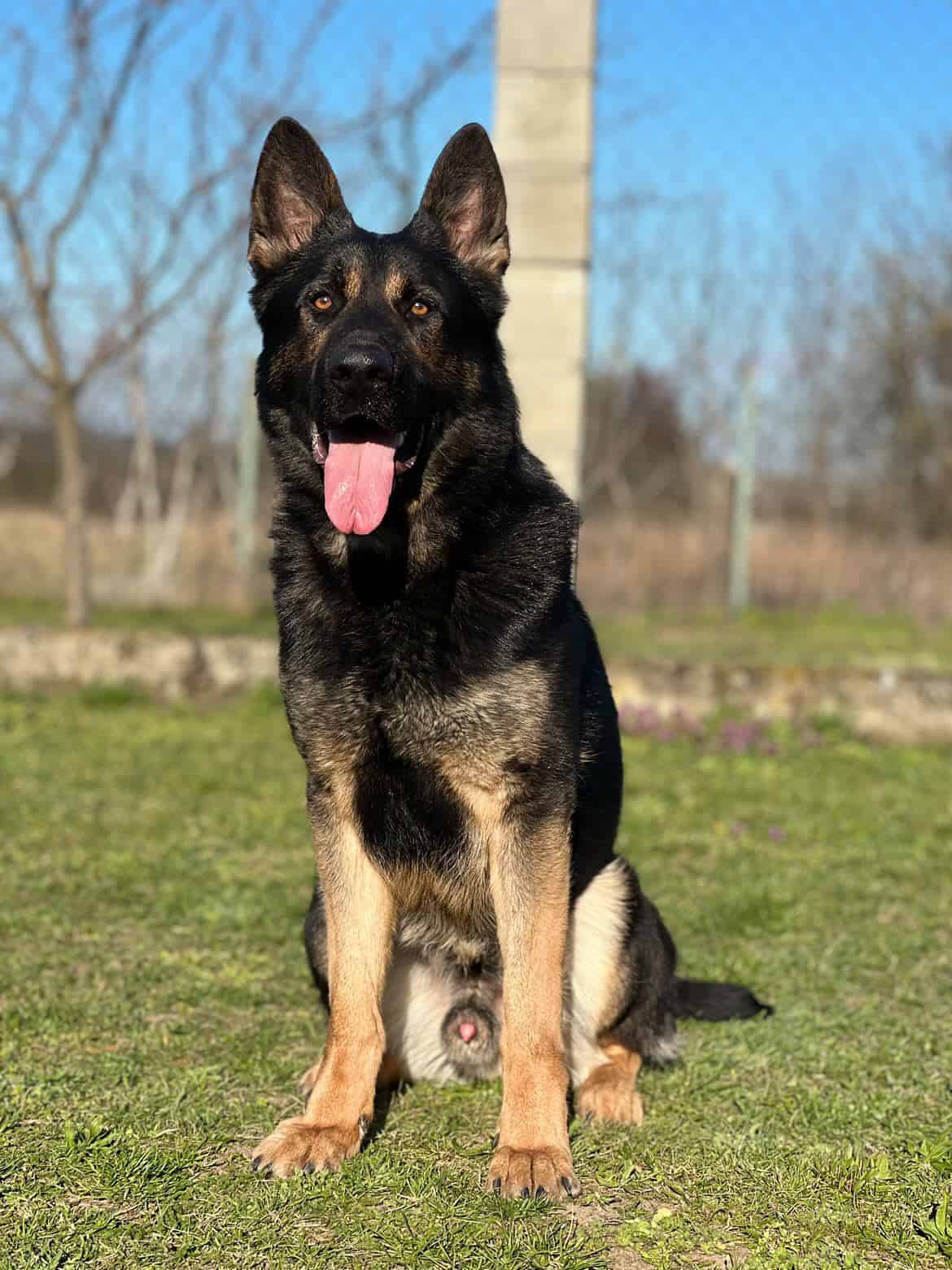
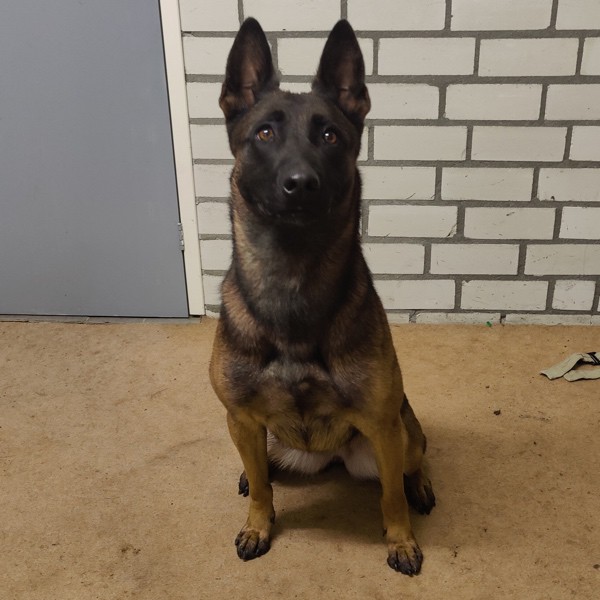
German Shepherd or Belgian Malinois: Which Fits Your Dallas Household
Both breeds are capable protection dogs, and the better question is which one suits the way your household actually runs. Scott’s K9 trains and places both, so the recommendation is never driven by what happens to be in the kennel.
The German Shepherd Profile
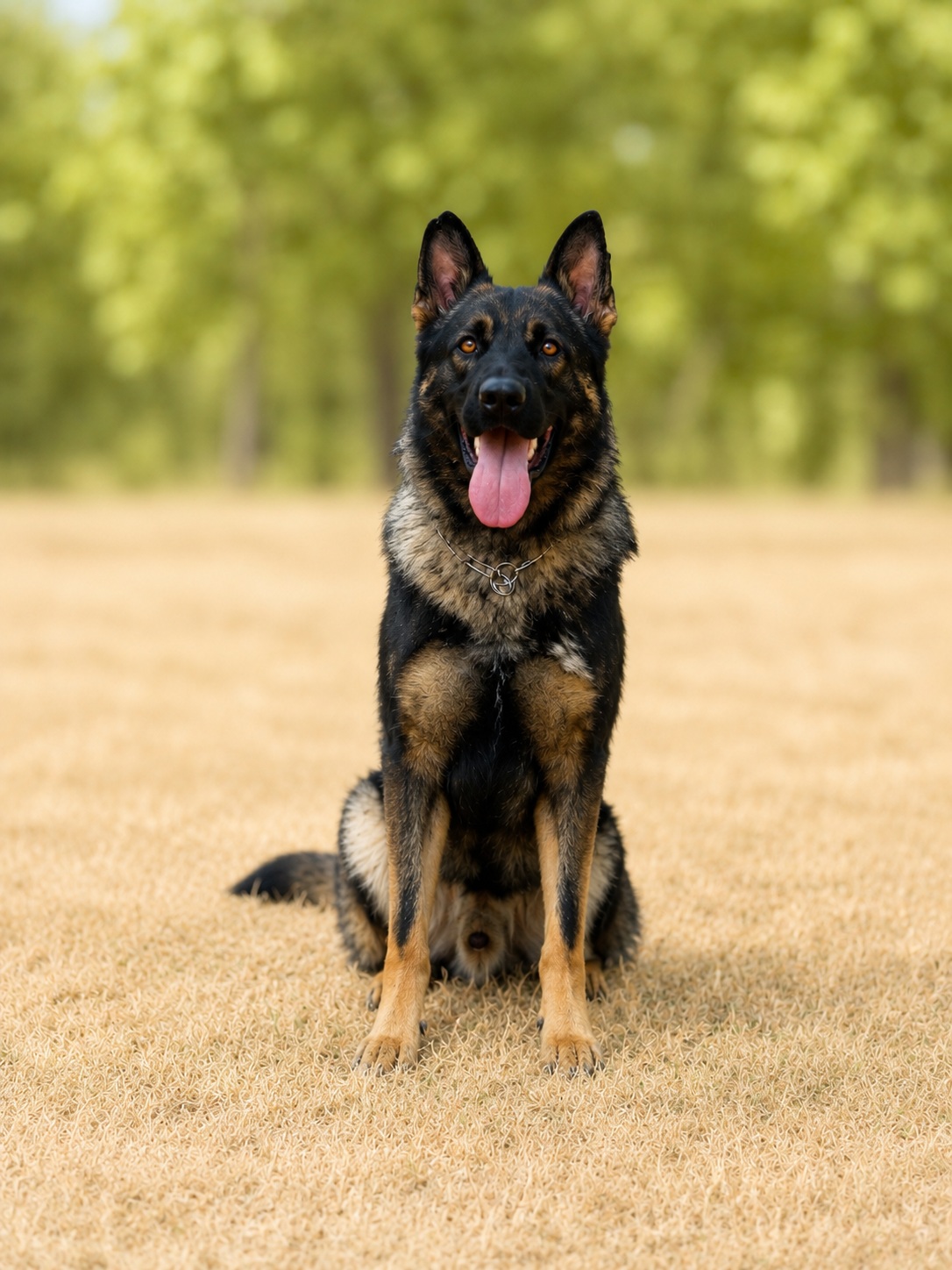
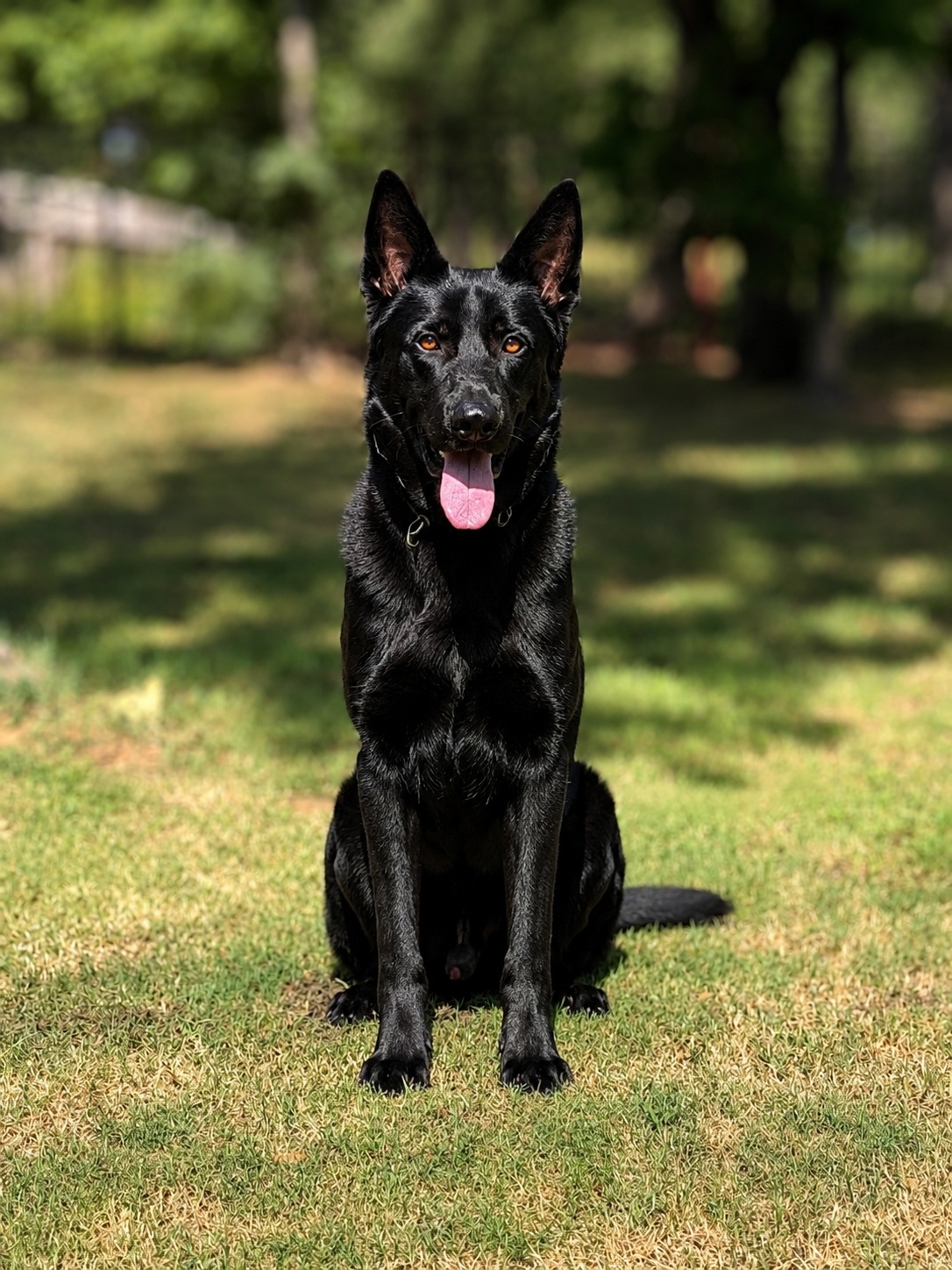
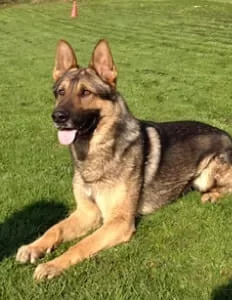
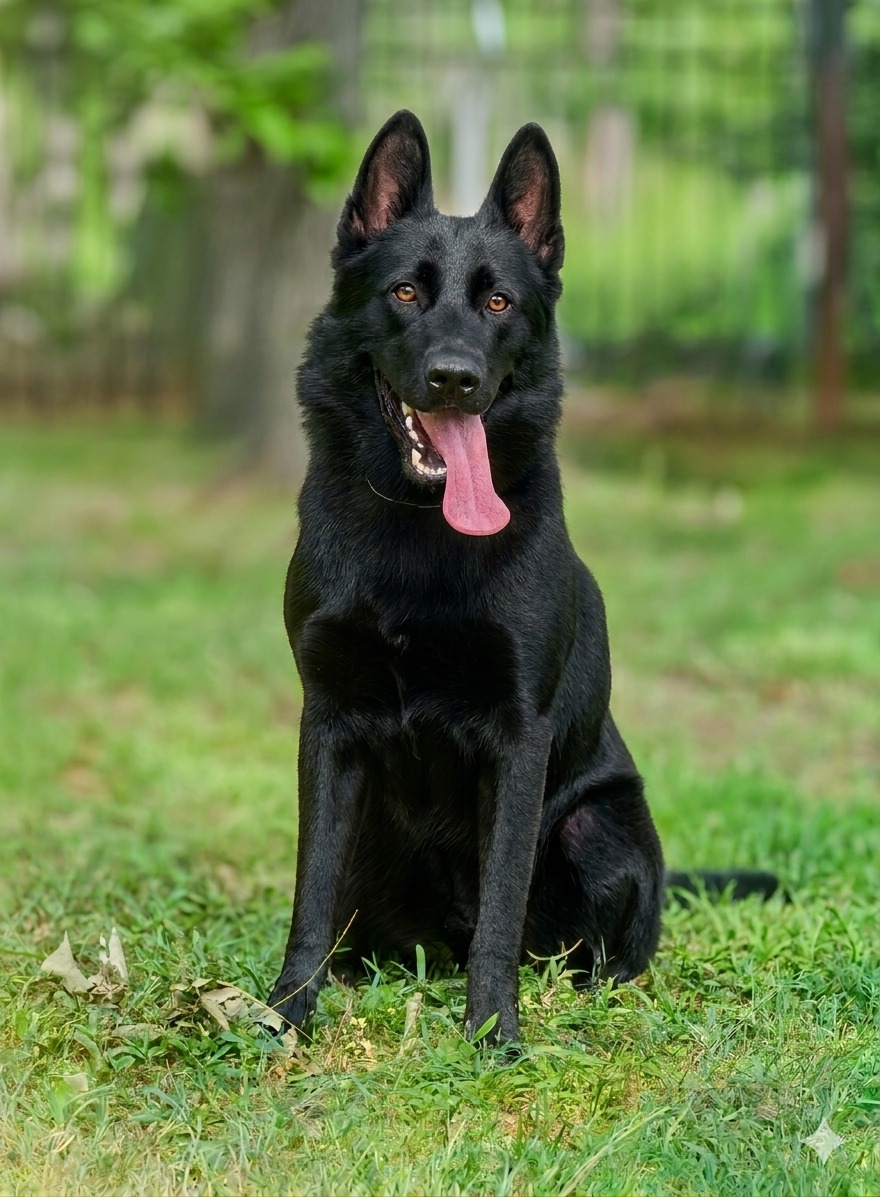
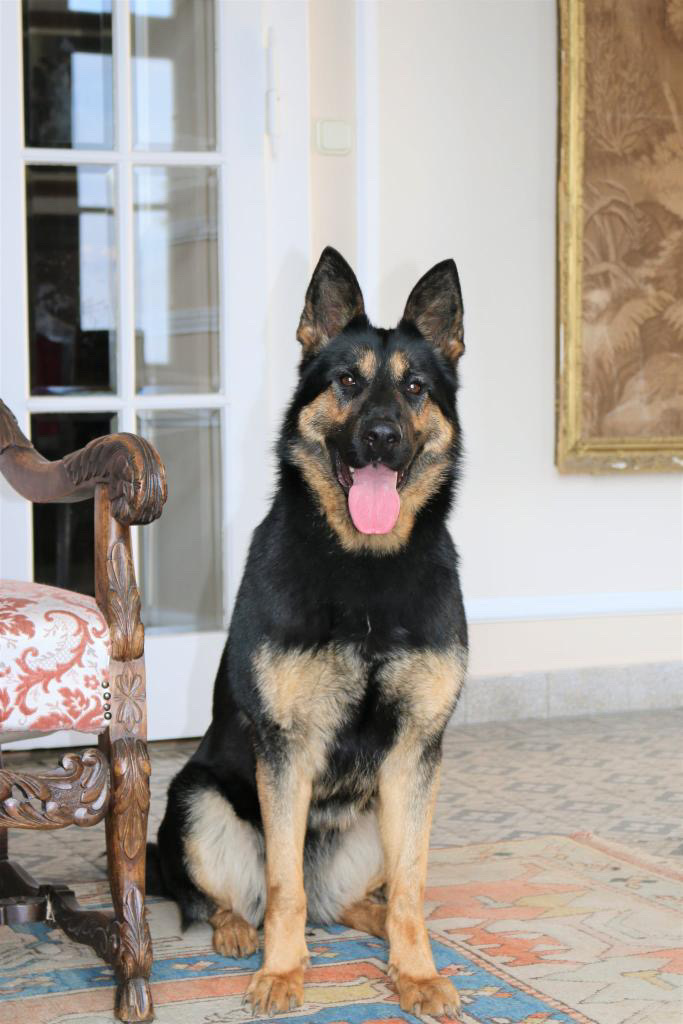
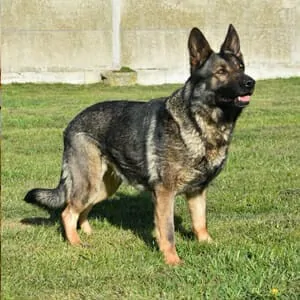
German Shepherds present a calmer and more familiar profile, which tends to suit families with steady routines, frequent visitors, and neighbors who will meet the dog often. Their presence reads as composed rather than intense, and they settle easily into a household that wants a protection dog most people simply see as the family dog.
The Belgian Malinois Profile
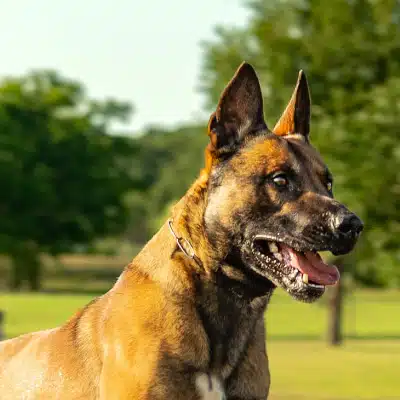
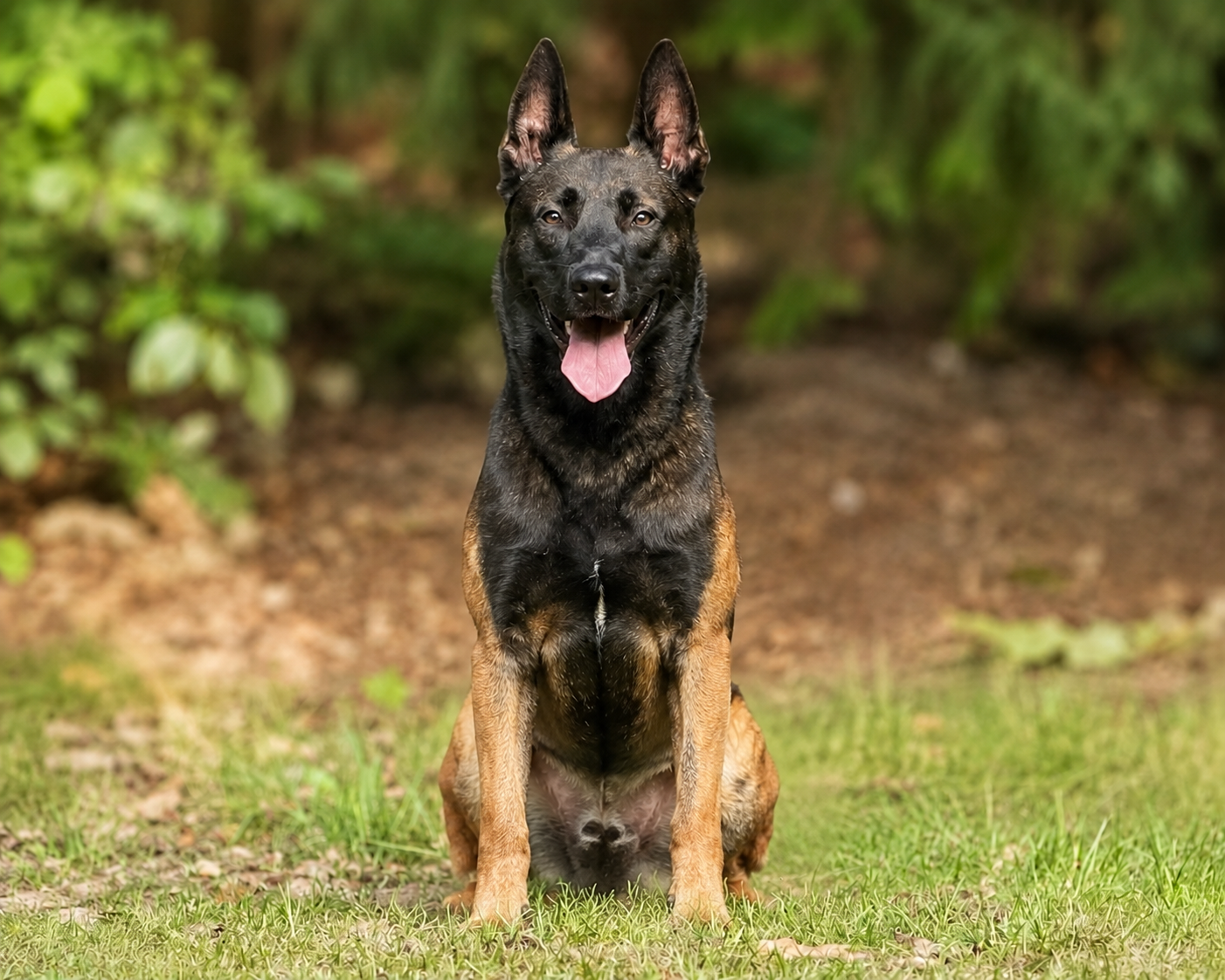
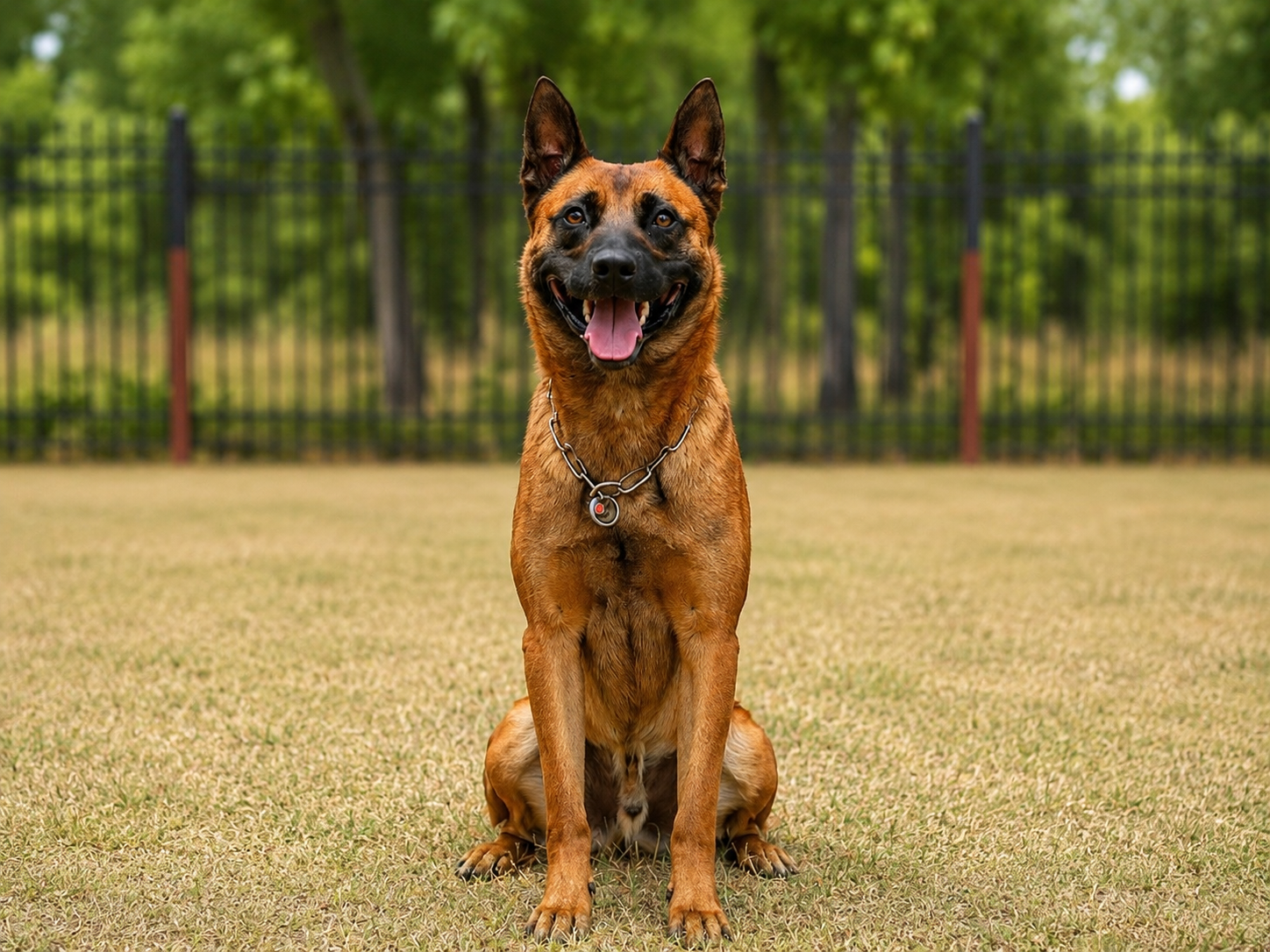
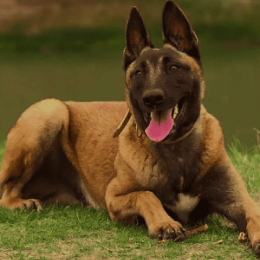
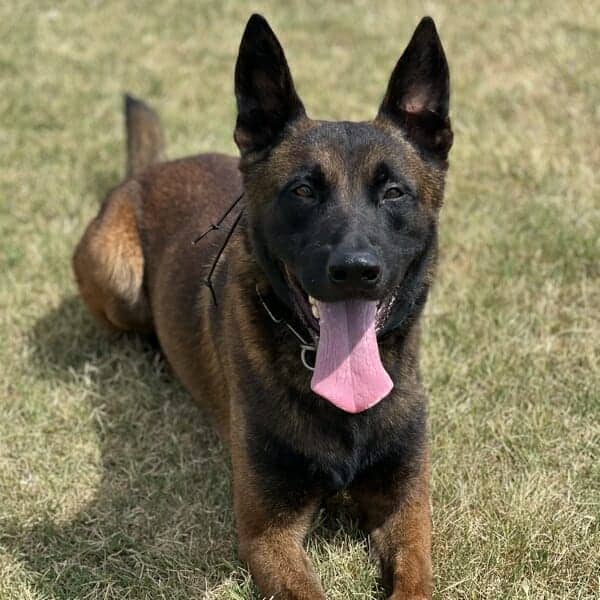
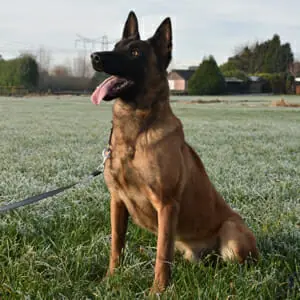
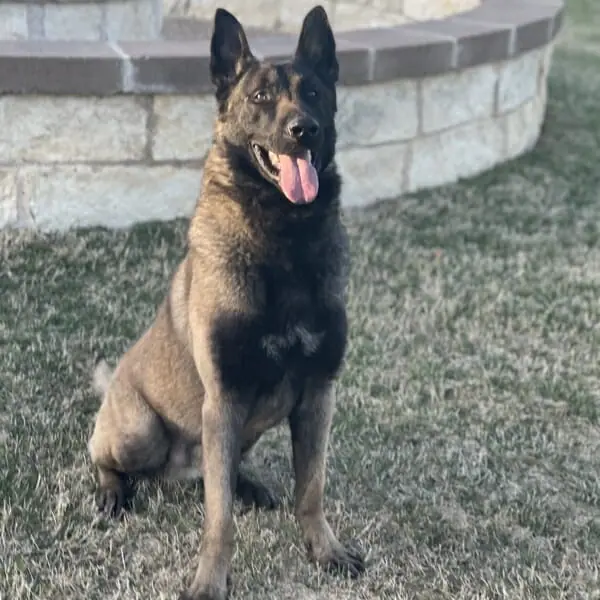
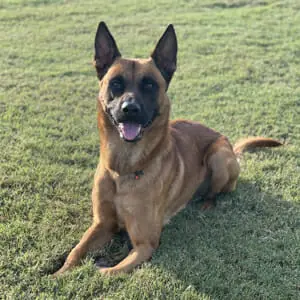
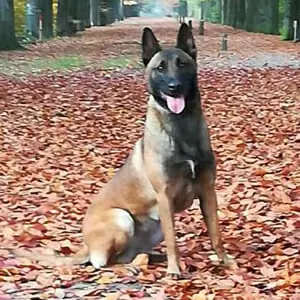
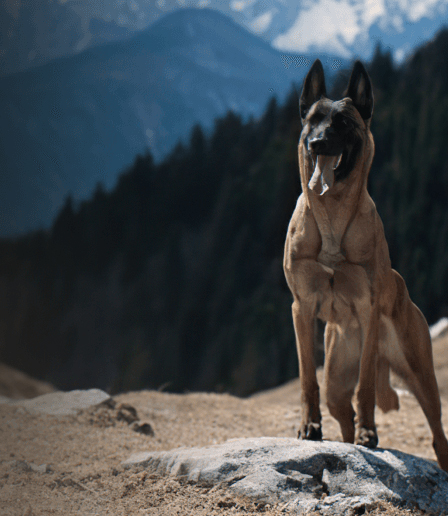
Belgian Malinois are quicker, leaner, and more energetic, with fast reaction times and a high appetite for work. They fit active Dallas households, owners who train and exercise with the dog daily, and buyers who want a highly responsive working dog and are prepared to give it structure and engagement every day.
How We Make the Recommendation
Steve Scott makes a breed and dog recommendation after learning about your property, your family, your travel schedule, and how you plan to live with the dog day to day. Handler experience and household activity level usually matter more than breed preference, and we will tell you plainly if the dog you are drawn to is not the right match.
Protection Dog Placements Across Dallas and the DFW Metroplex
Dallas covers a wide range of housing in a short drive, from walkable prewar neighborhoods to high-rise towers to master-planned suburbs and open acreage. The areas below reflect the placements we handle most often, and the setting shapes which dog we recommend.
Highland Park, University Park, and Preston Hollow
Placements in the Park Cities, Preston Hollow, Bluffview, and Devonshire call for dogs that stay composed around household staff, contractors, event guests, and neighbors on foot. Handler coaching here covers gate and doorbell protocol, staff introductions, and sidewalk behavior in neighborhoods where people walk past the property all day.
Uptown, Turtle Creek, and Downtown High-Rises
High-rise and condo placements need a dog that is neutral in elevators, lobbies, parking structures, and hallways, and dependable around residents, valets, and building staff. We select for that specifically and cover building routines, elevator etiquette, and daily exercise planning during the in-home transition.
Lakewood, White Rock, and the M Streets
Established East Dallas neighborhoods combine smaller lots with heavy foot and trail traffic. Dogs placed here are selected for social stability on leash and clear boundaries at the front door and alley gate.
Frisco, Plano, Prosper, and McKinney
North Dallas corridor households usually want a dog that is dependable with children, school-day routines, and constant delivery traffic while still holding the perimeter when the house is empty. These are among the most common family placements in the metro.
Southlake, Westlake, and Colleyville
Clients on the Tarrant County side often pair larger homes with frequent travel through DFW International. Dogs matched here are selected for settled behavior during schedule changes and reliability with the people who cover the household while owners are away.
Rockwall, Heath, and the Lake Ray Hubbard Communities
Lakefront and east-side placements combine boat and dock routines with open yards and regular guests. Selection focuses on water and dock boundaries and calm behavior around weekend visitors.
Argyle, Flower Mound, and North Texas Acreage
Properties with real acreage benefit from dogs with strong outdoor stability and perimeter awareness around equipment, livestock, and open ground. Scott’s K9 trains in Argyle, so these placements are close to home and easy to support after delivery.
Fort Worth and the Western Metroplex
Clients in Fort Worth, Aledo, and the western suburbs are served on the same terms as Dallas proper, with in-person delivery and handler coaching at the residence.
Dogs are hand-delivered by a trainer, never shipped, with in-person handler coaching included in every placement. We also deliver to Las Colinas, Irving, Arlington, Denton, Allen, and rural properties across North Texas. If you do not see your area listed, reach out and we will confirm coverage and availability.
How a Dallas Placement Works, From First Call to Handoff
Consultation and Matching
The first conversation is about your household rather than a dog. We discuss your property layout, who lives there, gate and staff access, children and other pets, travel patterns, and what you want the dog to do on an ordinary day. From there we identify the right match and walk you through that dog’s training history and background.
Final Training and Preparation
Dogs are sourced directly from trusted European breeding programs and personally chosen by Steve Scott for temperament, drive, and trainability. Training covers intensive obedience, controlled protection work, and scenario-based exposure so the dog is prepared for real-world environments rather than a training field alone.
Hand Delivery to Your Dallas Residence
A Scott’s K9 trainer brings your dog to your Dallas home in person. Nothing is shipped, and because the dogs are trained in the Metroplex, most Dallas deliveries are a short drive rather than a long transport. The trainer stays through the initial transition with coaching adapted to an estate, high-rise, suburban, or ranch environment.
Two Days of In-Home Handler Coaching
Handler training happens in the environment the dog will live in. We cover command handling, household rules, gate and doorbell protocol, introductions to staff and regular visitors, and the structure that keeps the dog reliable. Proper handling and continued reinforcement remain important after we leave, and we make sure your household knows exactly what that looks like.
What You Receive at Delivery
Every placement includes a complete health record, full training documentation and video, a one-year health guarantee, a 90-day performance guarantee, and ongoing handler support wherever you are in the Metroplex.
Owning a Protection Dog in Dallas: Travel, Security Teams, and Second Residences
Frequent Travel Through DFW and Love Field
A dog that travels well is trained for it before the first trip. Handler coaching covers crate conditioning, loading and vehicle behavior, hotel and rental routines, and clean handoffs to a boarding facility or house sitter when the dog stays home. Confirm requirements with your airline or charter operator in advance, since carriers set their own rules for large working dogs.
Corporate Relocation and Dual-Residence Households
Many Dallas placements involve a second home or a relocation already on the calendar. Scott’s K9 dogs are trained for environmental adaptability, and the consultation accounts for multiple properties, different household staff, and seasonal routine changes so a move between residences is manageable rather than disruptive.
Working Alongside Drivers, Household Staff, and Security Teams
A protection dog should make an existing security arrangement easier, not more complicated. We cover how to introduce the dog to a driver, an assistant, a housekeeper, and a security detail, who holds the commands when you are away, and how to keep handling consistent so the dog is not taking direction from four different people in four different ways.
Ranch and Acreage Properties Outside the Metroplex
Owners who keep a ranch or weekend property north or west of Dallas need a dog that is steady on open ground and around equipment, livestock, and hunting activity, then just as settled back in a city home. That combination is part of the matching conversation from the start rather than something to work out after delivery.
Why Dallas Clients Choose Scott’s K9
One Trainer, Start to Finish
Scott’s K9 trains and places only its own dogs. Every dog is trained under the direct supervision of Master Trainer Steve Scott, a former police K9 unit head trainer with more than 20 years in working dog training and placement.
Trained in the Metroplex, Delivered by Hand
The dogs are trained in Argyle, inside the Dallas Fort Worth area, and brought to your residence in person. Nothing is shipped, and the trainer stays to coach your household through the first days together.
Health and Performance Coverage in Writing
Every placement carries a one-year health guarantee and a 90-day performance guarantee, along with a documented health and performance report.
Complete Training Records and Video
You receive a full set of training videos at delivery and can request custom footage for specific commands or scenarios you want reinforced.
Support That Continues After Delivery
Scott’s K9 stays available for guidance long after the handoff, whether you are in Highland Park, Frisco, or on acreage north of the metro, and whether you have owned a working dog before or this is your first.
Dallas Protection Dog Questions, Answered
Will a protection dog work in a home with household staff and frequent visitors?
Usually yes. Dogs placed in Park Cities and Preston Hollow households are selected for strong impulse control and predictable behavior around neighbors, staff, landscapers, and delivery traffic, and your trainer covers gate and guest protocols during delivery. Many Dallas neighborhoods and gated communities set their own rules on registration and documentation, so review your community pet policy before you begin the placement process.
Can a protection dog live comfortably in an Uptown or downtown Dallas high-rise?
Yes, with the right match. High-rise placements need a dog that is neutral in elevators, lobbies, and hallways and reliable around residents and building staff. We select for that specifically and cover building routines during handler coaching, including elevator etiquette, garage and valet interactions, and daily exercise planning.
We travel constantly through DFW. Can the dog travel with us?
Yes, and it is one of the more common Dallas profiles we place. Crate conditioning, vehicle behavior, and hotel routines are part of handler coaching, and we walk through clean handoffs to a sitter or boarding facility for the trips the dog does not take. Airlines and charter operators set their own requirements for large working dogs, so confirm those in advance of any flight.
Can the dog work alongside our driver, household staff, or security team?
Yes. We cover introductions to each person, who holds the commands when you are away, and how to keep handling consistent across everyone who interacts with the dog. Consistency matters more than the number of people involved, and that is what the in-home coaching is built around.
Are there Texas laws I should know about before buying a protection dog?
Texas prevents cities and counties from restricting dogs by breed under Health and Safety Code 822.047, so Belgian Malinois and German Shepherds are not breed-restricted anywhere in the state, Dallas included. Texas also does not apply automatic strict liability to dog bites the way some states do. Liability generally turns on whether an owner knew a dog was dangerous or failed to use reasonable care, the standard set in Marshall v. Ranne, and registration, secure enclosure, and financial responsibility rules apply once a dog has been legally declared dangerous. Responsible handling and secure containment matter for every owner, and individual associations and insurance carriers may set their own requirements, so review your policies and consult a local attorney for specific legal questions.
Are your protection dogs safe around children and household staff?
Dogs live with trainer families in active households with children through the final phase of training and are selected in part for social stability. Proper handler guidance and continued structure after placement remain important, and we walk every family through staff and visitor introductions during the in-home transition.
How do your dogs handle Texas summer heat?
Heat management is a normal part of handler coaching. Our dogs are conditioned for real-world outdoor work in North Texas, and we cover exercise timing, shade and water access, surface temperature on driveways and pavement, and the early signs of heat stress while we are in your home.
Do you deliver outside Dallas to Frisco, Southlake, and North Texas acreage?
Yes. Delivery is always in person and covers the full Metroplex, including Collin, Denton, and Tarrant counties, Fort Worth, and rural acreage north and west of the metro. Because the dogs are trained in Argyle, most of these deliveries are a short drive.
Should I choose a German Shepherd or a Belgian Malinois?
Both breeds are capable, and the right answer depends on your household. German Shepherds present a calmer and more familiar profile that suits steady routines and frequent visitors. Belgian Malinois are quicker and more energetic, which suits active households and owners who want a highly responsive working dog. Steve Scott makes the recommendation after learning about your property, your family, and your daily routine.
How many dogs do you have available at one time?
Scott’s K9 keeps a deliberately small roster and works with only one to three dogs in the final phase of training at any given time, since every dog is personally trained and evaluated by Steve Scott. If a current dog is not the right fit, we are happy to keep your profile in mind for future availability.
How long does the process take from first call to delivery?
Timing depends on the match. Once we identify the right dog, we walk you through its training and background, then coordinate delivery and in-home coaching around your schedule, including gate access and staff notice. Local delivery shortens the logistics, but we still will not rush a match, and when no current dog fits we will tell you rather than place the wrong one.
Start the Conversation About a Dallas Protection Dog
Bringing a fully trained protection dog into a Dallas home is a deliberate decision, and it should start with a conversation rather than a listing. Tell us about your property, your household, and what you want the dog to handle, and we will tell you honestly which of our available dogs fits and which does not. Contact Scott’s K9 to discuss your needs, review available dogs, and arrange an in-person delivery to your Dallas residence.