Setting Clear Expectations Before You Buy
A protection dog is a long-term commitment, and the best decisions start with an accurate picture of what the dog contributes on an ordinary Tuesday, not only on the rare day something goes wrong.
Steady Presence in Ordinary Moments
Most of a protection dog’s value shows up quietly. An alert, composed, well-handled dog at your side or on your property changes how the home is approached, and owners tend to notice that value in daily routines far more often than in serious situations.
Control Comes First in Every Dog We Train
Each Scott’s K9 dog is trained to a high obedience standard before any protection work is introduced. The dog holds a place when the door opens, releases the moment it is asked, and stays neutral with neighbors, delivery drivers, contractors, and guests. A dog that cannot be reliably called off is not ready for placement.
Reading Intent Rather Than Reacting to Motion
Scenario-based training teaches a dog to assess what is happening before it responds. That judgment is what allows the same dog to walk calmly through a festival crowd and still recognize when a situation at home is genuinely out of place, and it is the quality buyers should examine most closely when comparing providers.
The Owner’s Part of the Arrangement
A trained dog can provide an added layer of security, but it does not replace good locks, sound judgment, or professional security where the situation calls for it. Proper handling, consistent structure, secure containment, and compliance with Ohio and local law remain the owner’s responsibility, and the in-home coaching exists to make those habits second nature.
Central Ohio Households That Choose a Trained Protection Dog
Buyers across the Columbus area reach this decision for different reasons, and each reason changes which dog we recommend and how handler coaching is structured.
Corporate Leaders in Insurance, Healthcare, Finance, and Logistics
Columbus is home to major employers across insurance, healthcare, retail, banking, and logistics, and many of their senior leaders travel frequently or keep a visible public role. These placements focus on a dog that is relaxed in a home office, neutral with visiting colleagues, and dependable when the household is on its own during business travel.
Families Balancing Two Careers, School, and Youth Sports
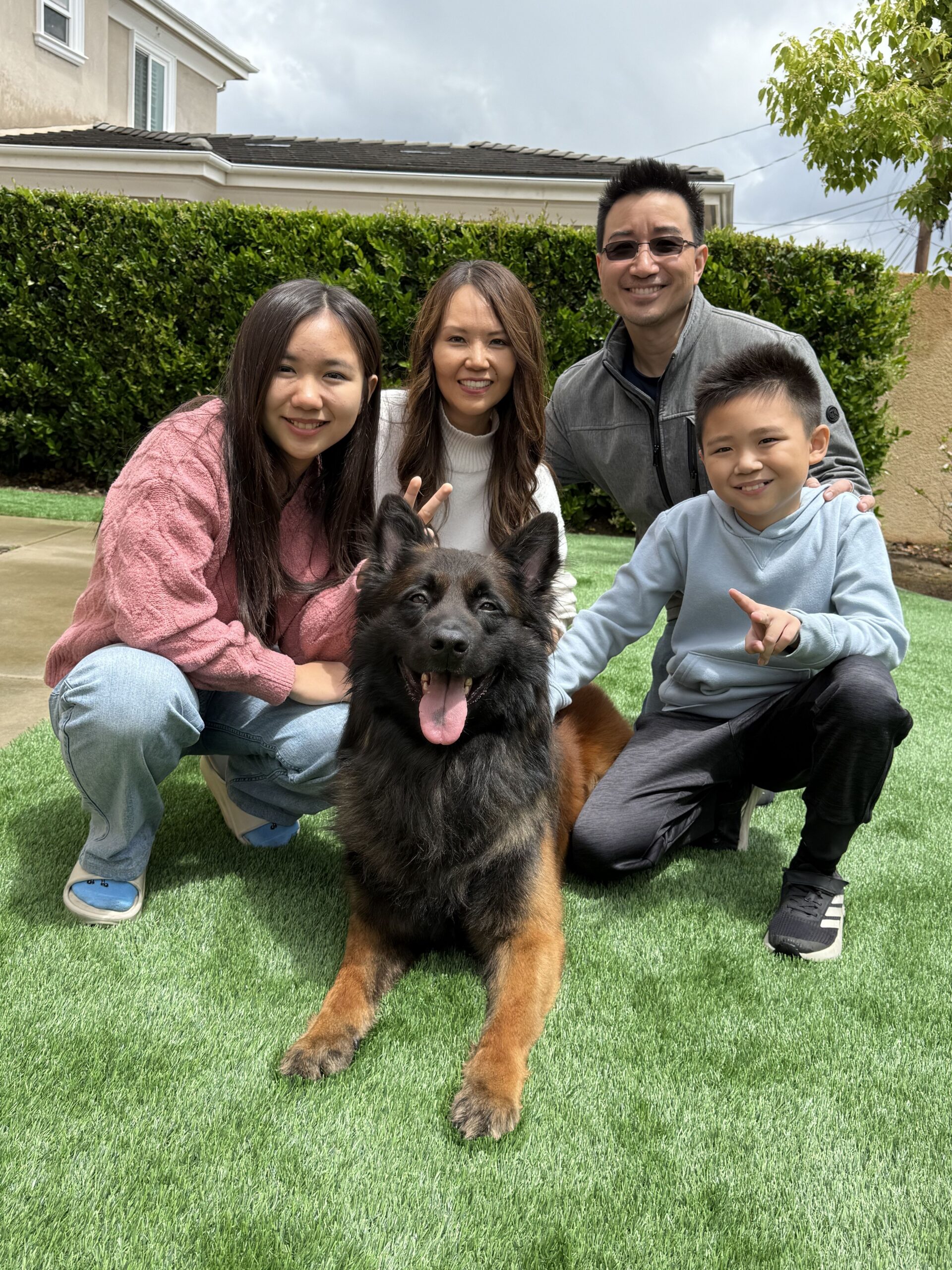
Parents in suburbs such as Dublin, Powell, Westerville, and Hilliard usually want a dog that is gentle with children and their friends, steady around sitters and carpools, and attentive to the property when the house is quiet. These are among the most common placements we make in Central Ohio.
Physicians, Academics, and Public-Facing Professionals
Surgeons on call through the night, university faculty, coaches, media personalities, and others whose names are publicly known often prefer a well-trained dog to a visible security presence. Discretion is part of these placements from the first call through delivery.
Estate and Acreage Owners in the Surrounding Counties
Owners of larger properties in New Albany, Jerome Township, Granville, and rural Delaware, Licking, and Union counties need a dog with dependable perimeter awareness and clear boundaries around gates, barns, outbuildings, and long driveways.
Owners Who Live Alone or Are Often Home Alone
Many buyers are widowed, recently relocated, or simply spend long stretches alone while a partner travels. A stable, quiet, observant companion is often the priority here, and matching focuses on social confidence and a calm temperament indoors.
Game Days, Festivals, and Big Crowds Across Columbus
Columbus keeps a full calendar of large public events. A dog that lives here will meet crowds, parking overflow, fireworks, and unfamiliar foot traffic several times a year, which is why environmental stability carries so much weight in the dogs we match to Columbus homes.
Ohio State Football Saturdays
Ohio Stadium draws more than 100,000 fans on home game days, and the surrounding neighborhoods, from the University District and Clintonville to Victorian Village and Upper Arlington, absorb tailgates, street parking, and hours of noise. Coaching covers how to keep the dog settled indoors, when to adjust walk times, and how to manage visitors parking along your street.
The Short North, Gallery Hop, and the Arts Festival
Monthly Gallery Hop evenings in the Short North and the Columbus Arts Festival along the riverfront pack sidewalks with people, strollers, and other dogs. Owners in the Short North, Italian Village, and downtown need a dog that stays neutral in close quarters and moves through a crowd without fuss, which we select for specifically.
Memorial Tournament Week in Dublin
The Memorial Tournament brings national crowds, shuttles, and event traffic to Muirfield Village each spring. Residents nearby see unfamiliar vehicles and pedestrians for a full week, and we walk through boundary routines and visitor protocol so the dog stays predictable while the neighborhood is busy.
Fireworks Season and Loud Summer Nights
Red, White and BOOM downtown, neighborhood Fourth of July displays, and backyard fireworks through early July are hard on many dogs. Scott’s K9 dogs are selected and trained for environmental stability, and we still show your household how to set up a calm indoor space and structure the evening when the noise peaks.
Four Distinct Seasons, One Consistent Routine
Central Ohio weather changes the daily routine of a working dog more than most buyers expect. Planning for each season keeps the dog fit, engaged, and reliable year-round.
Weekly Siren Tests and Severe Weather Season
Franklin County tests its outdoor warning sirens at noon on most Wednesdays, and spring and summer bring real severe weather warnings. We cover how to keep the dog calm during siren tests and how to include the dog in your household’s shelter plan, including a crate or bed in the basement or interior room where your family would take cover.
Humid Summers and Midday Heat
July and August humidity makes midday exercise uncomfortable for any working dog. Coaching covers shifting walks and training sessions to early morning and evening, recognizing early signs of overheating, and keeping water and shade available on the property.
Freeze-Thaw Winters and Treated Pavement
Central Ohio winters swing between snow, sleet, and thaw, which leaves driveways icy and sidewalks treated with de-icer. Simple habits such as wiping paws after walks and checking pads for cracks keep the dog comfortable, and indoor obedience and scent work fill the gap on days when outdoor time is short.
Deer, Coyotes, and Suburban Wildlife
Deer are a daily sight in many Columbus suburbs and rural properties, and coyotes are present throughout the region. We select for dogs that stay neutral to wildlife and reinforce recall and boundary discipline so a deer crossing the yard does not become a chase.
Choosing Between Two Proven Working Breeds
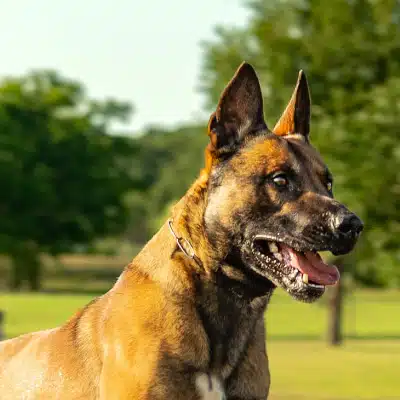
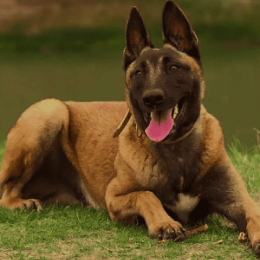
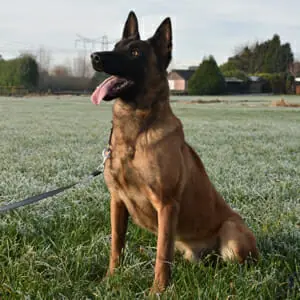
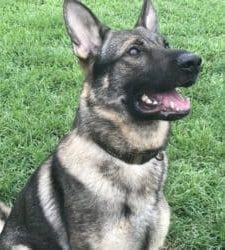
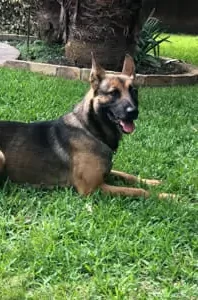
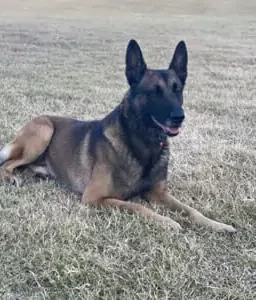
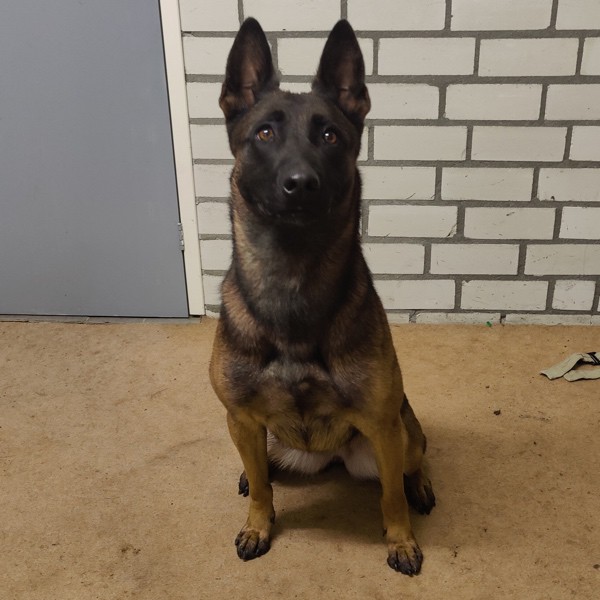
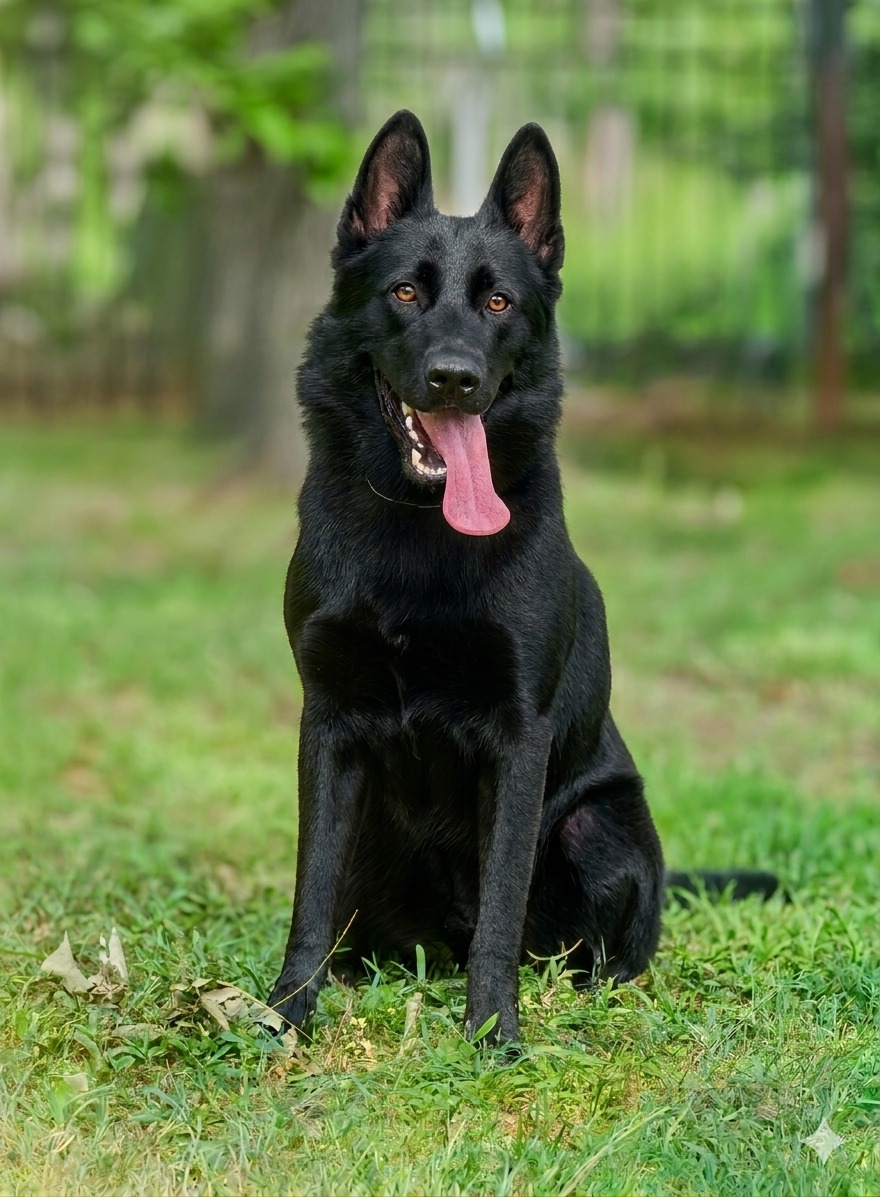
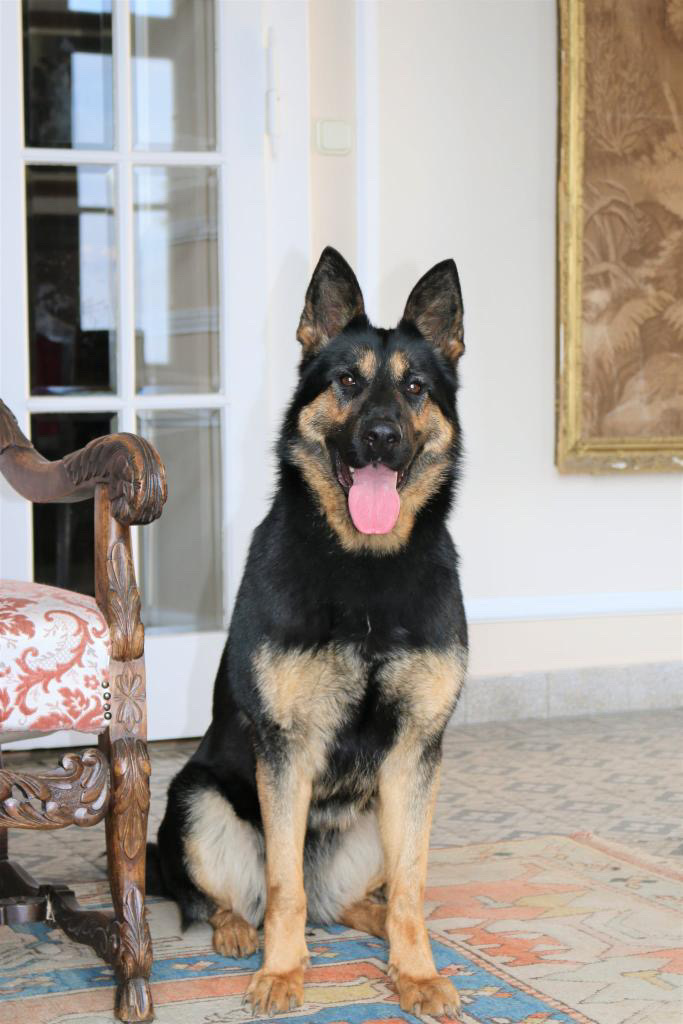
German Shepherds and Belgian Malinois are both highly capable protection dogs. The more useful question is which one suits your property, your schedule, and the people who will handle the dog each day.
Where the German Shepherd Fits Best
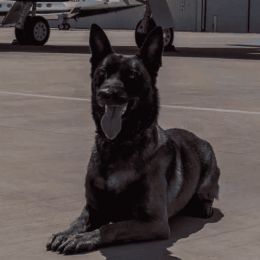
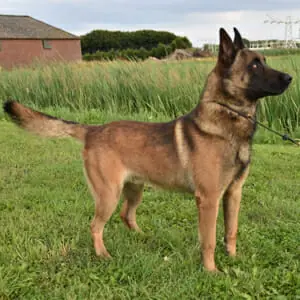
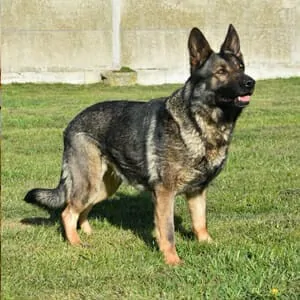
German Shepherds tend to present a calmer, more familiar profile. They suit households with steady routines, busy suburban streets where the same neighbors see the dog daily, and owners who want a composed presence that reads as a family dog first.
Where the Belgian Malinois Fits Best
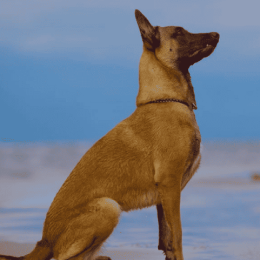
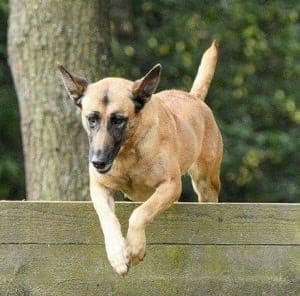
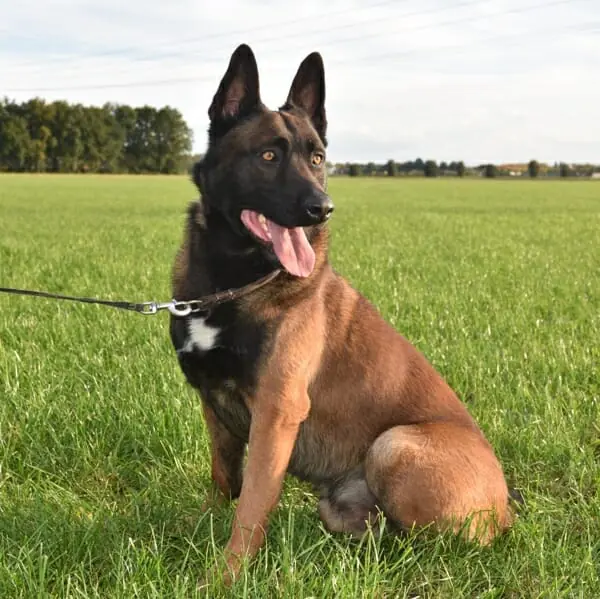
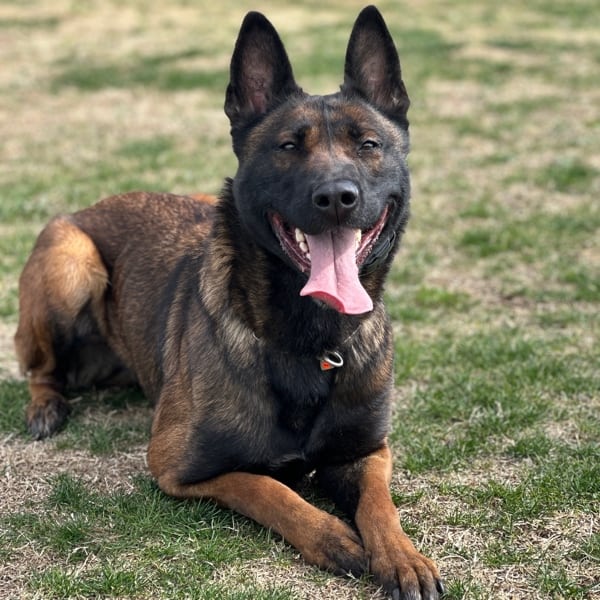
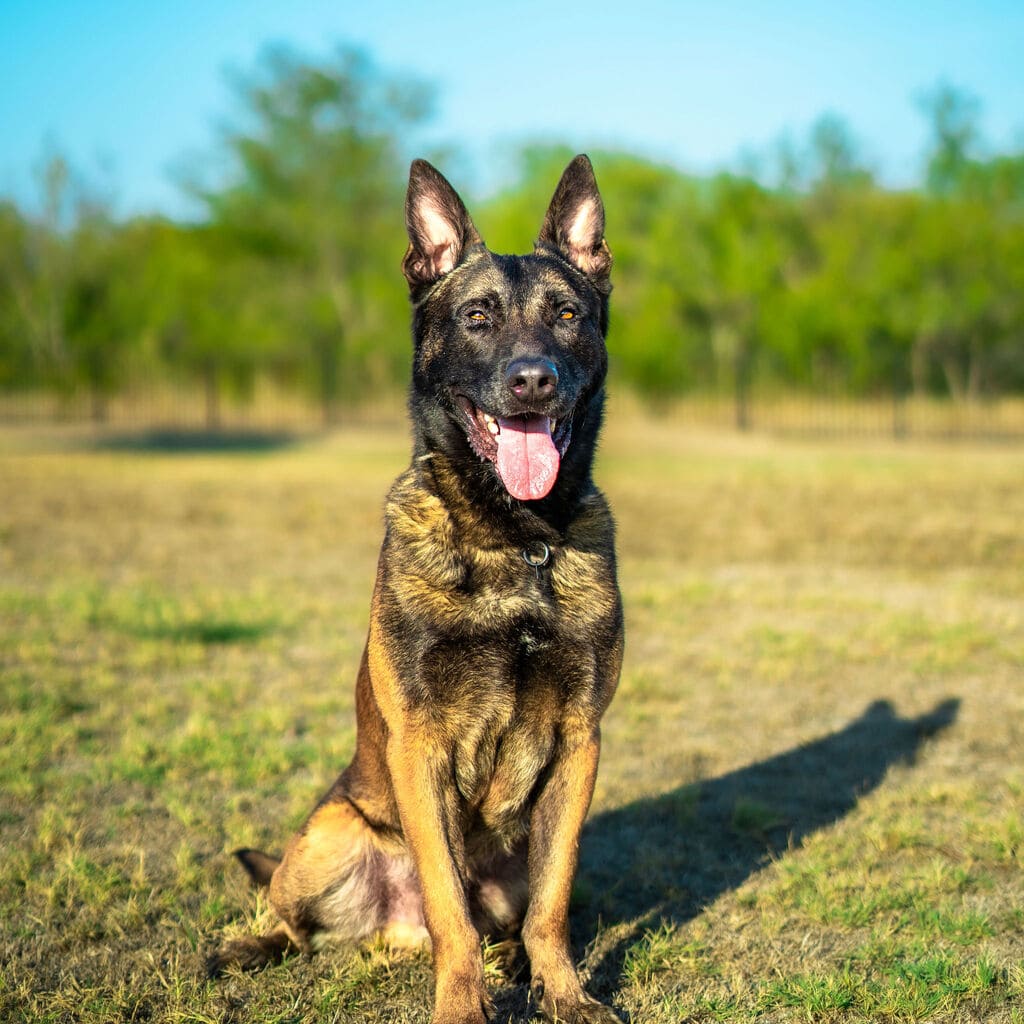
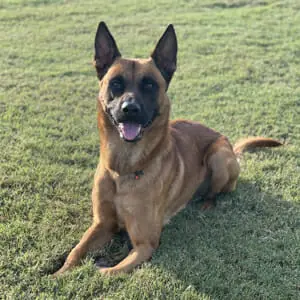
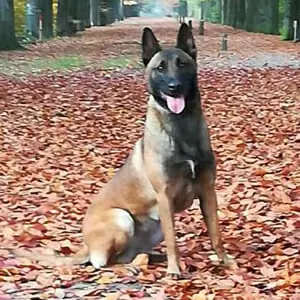
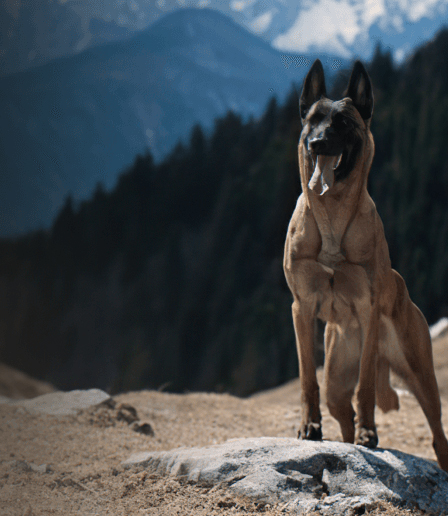
Belgian Malinois are lighter, quicker, and more energetic, with a strong appetite for work. They fit owners who train and exercise with the dog every day, properties with room to move, and households prepared to keep a driven dog mentally engaged year-round.
Brick Streets, Cul-de-Sacs, and Open Acreage
A German Village rowhouse, a Worthington ranch on a quarter acre, and a Licking County farm each ask something different of a dog. A smaller footprint works for either breed with a real daily routine, and a large property never substitutes for structured work, so we ask about your lot, your walking routes, and your winter and summer exercise plans.
Why We Recommend a Dog, Not a Breed
Steve Scott recommends a specific dog after learning about your property, your family, and your routine. Handler experience and household activity level usually matter more than breed preference, and if the dog you are drawn to is not the right match for your home, we will tell you plainly.
Where We Deliver Throughout Franklin County and Beyond
The Columbus region spans historic urban neighborhoods, fast-growing suburbs, and working farmland within a half-hour drive. The areas below reflect where we deliver most often, and each setting shapes the dog we recommend.
Downtown, the Short North, and Italian Village
Condo, loft, and townhome placements need a dog that is neutral in shared entries, garages, and elevators and comfortable on sidewalks that stay busy late into the evening.
German Village, Bexley, and the Near East Side
Brick streets, narrow side yards, and historic homes set close together call for strong leash manners and clear boundaries at the front stoop and rear gate.
Clintonville, Worthington, and the University District
Tree-lined neighborhoods with a mix of families, students, and game-day traffic suit a socially confident dog that settles quickly when the street gets loud.
Upper Arlington and Grandview Heights
Established family neighborhoods with active sidewalks and frequent visitors are common placements, with coaching focused on children, sitters, and school-day routines.
Dublin, Muirfield Village, and Tartan Fields
Golf course communities and executive homes often involve household staff, landscaping crews, and seasonal event traffic, so handler coaching covers staff introductions and driveway protocol.
New Albany and the Eastern Growth Corridor
Larger estates, horse fencing, and long setbacks from the road call for dependable perimeter awareness and calm behavior around the service providers who maintain the property.
Powell, Lewis Center, and Southern Delaware County
Newer subdivisions with open backyards and heavy delivery traffic suit a dog that is steady at the property line and relaxed around neighbors on the other side of it.
Westerville, Gahanna, and the Northeast Suburbs
Family placements here usually center on children, youth sports schedules, and a house that sits empty for part of the day.
Hilliard, Grove City, and the Western and Southern Suburbs
Suburban homes with fenced yards and regular foot traffic call for a well-socialized dog that stays predictable during walks and at the door.
Rural Properties in Delaware, Licking, and Union Counties
Acreage near Granville, Marysville, Galena, and Sunbury benefits from a dog with strong outdoor stability around equipment, livestock, and wildlife that is equally settled back inside the house.
Dogs are delivered in person by a Scott’s K9 trainer, never shipped, with in-home handler coaching included in every placement. We also deliver to Pickerington, Canal Winchester, Reynoldsburg, Lancaster, and communities throughout Ohio. If your area is not listed, reach out and we will confirm coverage and availability.
Ohio Dog Laws Every Columbus Owner Should Know
Breed Rules Are Set Locally in Ohio
Ohio’s statewide dog law defines nuisance, dangerous, and vicious dogs by conduct rather than breed. Ohio does not, however, prevent cities and villages from adopting breed rules of their own under home rule authority. Central Ohio is made up of many separate cities, villages, and townships, so confirm your own municipality’s ordinances, along with any HOA, landlord, or insurance requirements, before a placement.
Ohio Holds Owners Responsible for Injury and Property Loss
Under Ohio Revised Code 955.28(B), the owner, keeper, or harborer of a dog is liable in damages for any injury, death, or loss to person or property caused by the dog, with limited exceptions such as a person committing a criminal offense on the property or teasing, tormenting, or abusing the dog. Because liability does not depend on a prior incident, we place only dogs with documented obedience and impulse control and coach every household in person. Speak with an Ohio attorney and your insurance carrier about your specific circumstances.
Annual Registration With the County Auditor
Ohio requires every dog older than three months to be registered each year with the county auditor, with renewal running from December 1 through January 31 and a late penalty equal to one year’s fee. In Franklin County, registration is handled through the Franklin County Auditor, and dogs in Delaware, Licking, or Union County register with that county’s auditor. A newly acquired dog generally has 30 days to be registered without penalty. You receive complete health and vaccination records at delivery, and because rabies vaccination rules are set at the local level in Ohio, confirm current requirements with your local health department.
Ohio’s Updated Dangerous Dog Law
Ohio House Bill 247, known as Avery’s Law, took effect on March 18, 2026. It revised the nuisance, dangerous, and vicious dog designations, strengthened penalties for owners whose dogs cause serious injury, and expanded enforcement authority for county dog wardens. Designated dogs carry substantial insurance, registration, and confinement obligations. These designations follow an individual dog’s conduct rather than its breed, which is why careful selection, reliable obedience, secure containment, and consistent handling matter for every owner in the state.
How a Columbus Placement Comes Together
A Conversation About Your Household
The first call is about your home and your family rather than a specific dog. We discuss your property, who lives there, regular visitors and staff, children and other pets, travel patterns, and what you want the dog to do on a normal day, then identify the right match and walk you through that dog’s background and training history.
Choosing and Preparing the Right Dog
Dogs are sourced from trusted European working programs and personally chosen by Steve Scott for temperament, drive, and trainability. Preparation includes intensive obedience, controlled protection work, and scenario-based exposure so the dog is ready for real-world environments, not only a training field.
Brought to Central Ohio by a Scott’s K9 Trainer
Your dog travels with a Scott’s K9 trainer and arrives at your door in person. Nothing is shipped as cargo, and no dog travels alone. Delivery is scheduled around your calendar, including gate codes, HOA access, or condo entry rules where they apply.
Learning the Dog on Your Own Property
Handler instruction takes place over two days in the setting where the dog will live. We cover commands, household rules, door and gate routines, introductions to family, staff, and frequent visitors, and the structure that keeps the dog reliable. Continued reinforcement after we leave remains important, and your household will know exactly what that looks like.
Paperwork, Footage, and Post-Placement Support
Every placement includes a complete health record, full training documentation and video, a one-year health guarantee, a 90-day performance guarantee, and ongoing handler support after delivery. Custom video of specific commands or scenarios is available on request before you decide.
Plan Your Central Ohio Protection Dog Placement
Bringing a fully trained protection dog into a Columbus home is a considered decision, and it should begin with a conversation rather than a listing. Tell us about your property, your household, and what you want the dog to handle, and we will tell you honestly which of our dogs fits and which does not. Contact Scott’s K9 to discuss your needs, review available dogs, and arrange an in-person delivery anywhere in Central Ohio.