Becoming a protection dog trainer means learning to select, raise, and develop dogs for obedience, control, and stable protection work. There is no required degree. Most trainers build their skills through an apprenticeship with an experienced trainer, hands-on courses in canine behavior and learning theory, and optional professional certification. The work rewards patience, sound judgment, coordination, and a deep understanding of how dogs think. Below, Scott’s K9, breeders of elite Belgian Malinois and German Shepherd protection dogs, walks through the duties, training paths, and certifications that define this career.
What Does a Protection Dog Trainer Do?
As a dog trainer, you are directly responsible for choosing the best dogs to become the companions of law enforcement officials, military members, and others who need the safety and security of a protection dog.
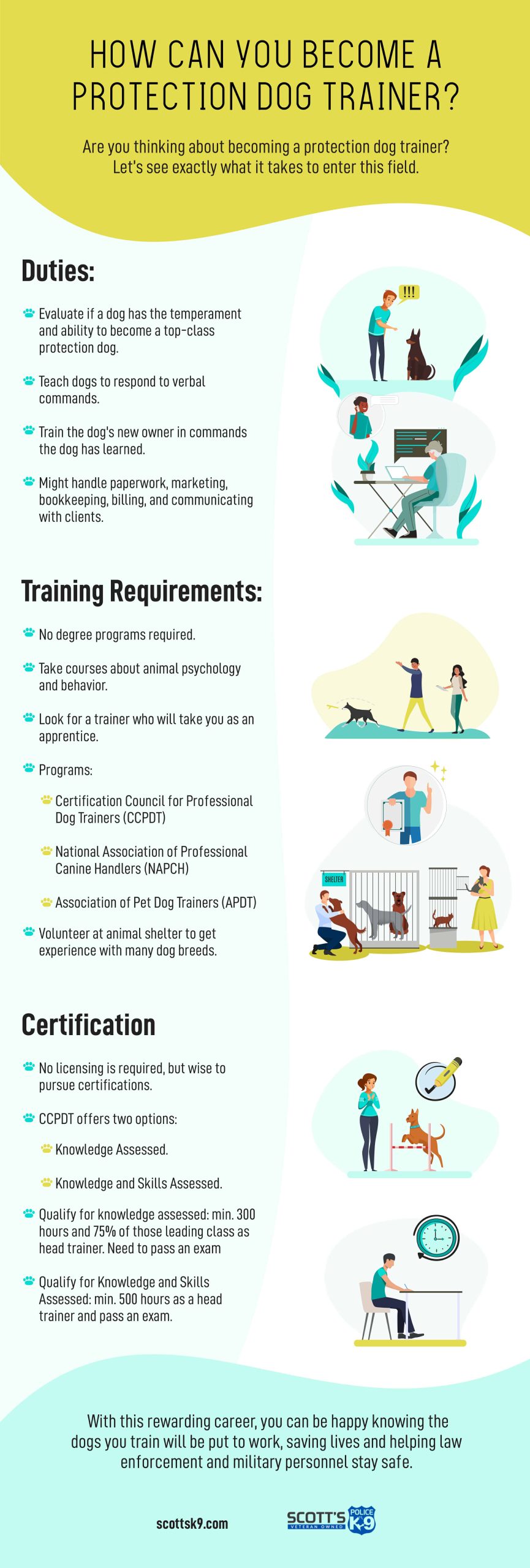
As a trainer, your first duty will be to evaluate a dog to determine whether it has the temperament and ability to become a top-class protection dog. You’ll need to determine whether a candidate will respond to voice commands and instantly obey in every situation. Rowdy or untrainable dogs will need to be weeded out of your program.
What will you train dogs to do?
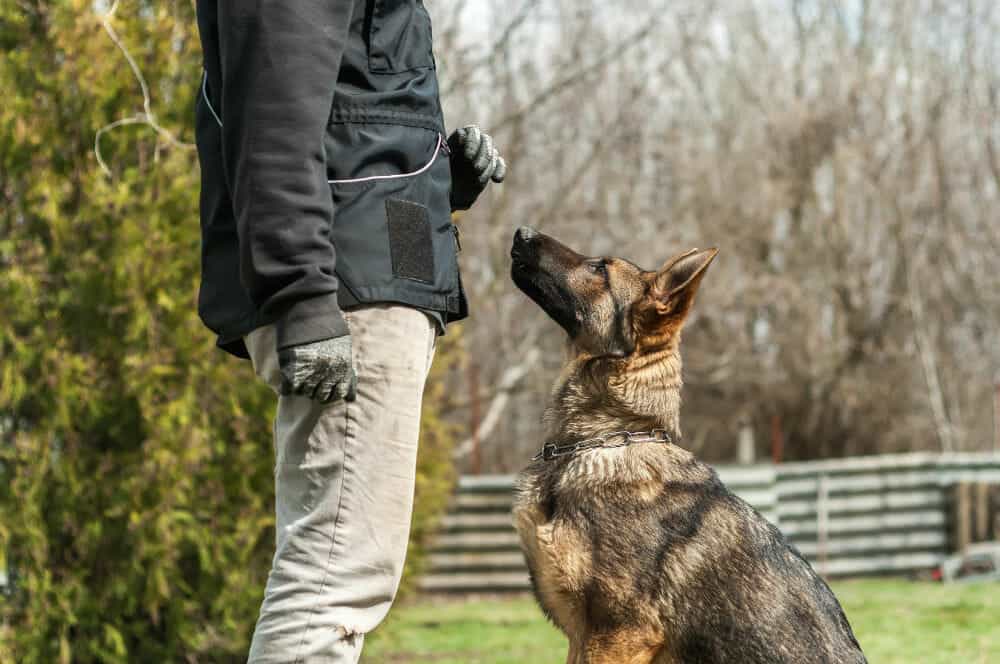
You’ll teach dogs to respond to verbal commands in English or another language. You’ll use positive reinforcement while training. You’ll teach dogs to read a situation and respond with control, using clear obedience and protective behavior only on command. Above all, dogs learn to stay calm, social, and under the handler’s direction at all times.
As a trainer, you’ll not only work with dogs, but you’ll need to train the dog’s handler in the techniques and commands the dog has learned. You’ll help both dog and trainer to work as a team to confidently handle stressful situations they’ll face.
On the back end:
You might need to take care of the paperwork, marketing, bookkeeping, billing, and communicating with potential clients.
If you are part of a well-established training company, many of these tasks might be done for you. When running your own company, the paperwork and marketing will fall to you.
Are There Training Requirements?
If you’re looking for a mid-life career switch, or you’re simply tired of the corporate workplace and want a change of pace, you’re in for some good news!
There are no degree programs required to start your career in protection dog training. You will benefit highly from individual courses that teach you about animal psychology and behavior, in addition to human behavior. The more you understand about the way dogs think and act, and understand how people respond to them, the better job you’ll do training.
To get started on your career, look for a company or trainer who is willing to take you on as an apprentice. This is perhaps the best way to get involved in the field of protection dog training. You’ll be able to learn the best of what to do and what not to do in training, as well as how to run your business.
Many trainers run their own businesses, making them perfect people to learn from for insider understanding, tips, and tricks for running your own. The more you can learn from someone who is already doing what you want to do, the better tie you’ll have when you launch your own business and become a protection dog trainer.
If you’re looking for programs and certifications to give yourself an edge up in the field of dog training, there are several to choose:
- Certification Council for Professional Dog Trainers
-
- Certified Professional Dog Trainer – Knowledge Assessed (CPDT – KA)
- Certified Professional Dog Trainer – Knowledge and Skills Assessed (CPDT – KSA)
- National Association of Professional Canine Handlers
-
- Master Trainer Certificate
- Association of Pet Dog Trainers
-
- Seminars and other opportunities offered
Any courses, certificates, or training opportunities that help you learn more about the history of dog training, the ways dogs learn, and insights into dog behavior will go a long way in your career.

This is a field that you should not enter unprepared, so the more education you receive, the better you’ll do.
If you’re just starting out and you’re unsure if you want to commit to a fulltime career, start volunteering at a local animal shelter. Get as much experience as you can working with a wide variety of dog breeds.
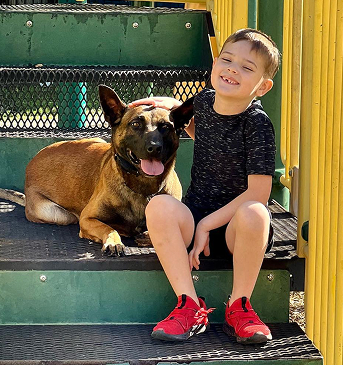
If you find you aren’t comfortable working with large dogs, you might not want to become a protection dog trainer but a regular pet trainer instead. Protection dogs will always be large breed animals.
Regular pet dog trainers can specify the types of breeds they work with. Protection dog trainers, on the other hand, will have no choice and often work with Belgian Malinois, German Shepherds, and other sizable dog breeds.
Not sure which breed suits your lifestyle?
What Types of Certification Are Available?
No specific licensing is required to become a protection dog trainer. However, if you want to become a professional and leader in your industry, it is wise to pursue certifications. Many who would hire you will want to ensure that you are adequately prepared to train their dogs.
Remember:
You’ll be training animals acquired to potentially save someone’s life. Their training must be top-notch – lives literally depend on it.
There are several options for certification. As mentioned above, the Certification Council for Professional Dog Trainers offers two options: Knowledge Assessed, and Knowledge and Skills Assessed.
As a trainer, you can qualify for the first of the two by proving a minimum of 300 hours of experience as a dog trainer, with 75% of those hours spent leading class as head trainer. You’ll also need to pass an examination.
To qualify for the second certificate, you’ll need a minimum of 500 hours as a head trainer and pass an exam.
Is This the Career for You?
With this dynamic and rewarding career, you can sleep each night knowing the dogs you train will one day be put to work, saving lives and helping law enforcement, military personnel, and families stay safe. What a great feeling!
To see the level of obedience, control, and preparation professional training can produce, explore our trained protection dogs for sale and learn more about the German Shepherds and Belgian Malinois available from Scott’s K9.
Frequently Asked Questions
How do you become a protection dog trainer?
Most protection dog trainers start by apprenticing under an experienced trainer, then build knowledge through courses in canine behavior and learning theory. There is no required degree. Hands-on experience with a range of breeds, sound judgment, and patience matter most, and professional certification can strengthen your credibility with clients.
Do you need a degree to become a protection dog trainer?
No degree is required to become a protection dog trainer. What helps most is practical experience, ideally through an apprenticeship, plus individual courses in animal psychology, behavior, and how dogs learn. The more you understand about canine and human behavior, the better prepared you will be for the work.
What certifications are available for protection dog trainers?
No license is legally required, but recognized options include the Certification Council for Professional Dog Trainers (CPDT-KA and CPDT-KSA), the National Association of Professional Canine Handlers Master Trainer Certificate, and programs from the Association of Professional Dog Trainers. Certification signals professionalism to clients.
How many hours of experience do you need for certification?
For the Certification Council for Professional Dog Trainers, the CPDT-KA typically requires at least 300 hours of dog training experience with most spent as a lead trainer, plus an exam. The CPDT-KSA requires around 500 hours as a head trainer and a further assessment.
What skills does a protection dog trainer need?
The role rewards patience, strong coordination, good judgment, and analytical thinking. Trainers need to read canine body language, apply positive reinforcement consistently, and communicate clearly with handlers. Comfort working with large, high-drive breeds such as Belgian Malinois and German Shepherds is important.
What does a protection dog trainer do day to day?
Trainers evaluate dogs for temperament and trainability, develop obedience and controlled protection behaviors, and prepare dogs for real-world environments. They also coach handlers so dog and handler work as a calm, confident team. Running a training business can add marketing, scheduling, and client communication.
Which breeds do protection dog trainers usually work with?
Protection dogs are large, capable breeds, most commonly Belgian Malinois and German Shepherds, chosen for intelligence, confidence, and trainability. Trainers should be comfortable handling powerful working dogs, since these breeds need structured, professional training to develop stable, controlled protection behavior.
How are Scott’s K9 protection dogs trained?
Scott’s K9 hand-selects Belgian Malinois and German Shepherds and develops them through intensive obedience and scenario-based training for real-world readiness. The goal is dogs that are confident, obedient, and safe around family while prepared to detect and respond to genuine threats. Learn more about what makes Scott’s K9 different.