What a Protection Dog Does, and What It Does Not Do
Buyers who reach this page have usually already decided that a trained dog belongs in their household. What they want is a clear account of what that dog does day to day, which is less dramatic and more useful than most of what is written on the subject.
Presence Is the Everyday Function
The great majority of what a protection dog contributes happens before anything else does. A visible, attentive, well-trained dog changes how a property is approached, and most owners report that its practical value shows up in ordinary moments rather than serious ones.
Obedience Is the Foundation, Not an Add-On
Every Scott’s K9 dog is trained to a high obedience standard before any protection work is layered on top. The dog holds position when the door opens, releases on command, and stays neutral around neighbors, delivery drivers, and guests. A dog that cannot be called off is not a protection dog, and we do not place one.
Trained to Assess Before It Responds
Scenario-based training teaches the dog to read a situation rather than react to movement. That is the difference between a dog that is stable in a crowded elevator and a dog that is a liability in one, and it is the single most important thing a buyer should evaluate before purchasing anywhere.
What Ownership Still Requires From You
A protection dog supports a household’s security, it does not replace judgment, sound locks, or professional security where that is warranted. Proper handling, consistent structure, secure containment, and compliance with local law remain the owner’s responsibility, and the in-home coaching exists to make those habits routine before we leave.
Who We Place Dogs With Across Chicagoland
Chicago buyers arrive at the same decision from different directions, and each profile changes which dog we recommend and how the handler coaching is structured.
Downtown Professionals and Executive Households
Attorneys, traders, physicians, and corporate leadership living in the Loop, River North, Streeterville, and the Gold Coast usually want protection that reads as a well-behaved family dog in a building full of neighbors. These placements revolve around building routines, a household that is empty through the workday, and travel that comes up on short notice.
Families on the North Side and Northwest Side
Parents in Lincoln Park, Lakeview, Portage Park, Sauganash, and Edgebrook want a dog that is dependable with children, sitters, and school-day traffic while still holding the perimeter when the house is quiet. These are among the most common placements we make in the city.
North Shore and Western Suburb Estates
Owners of larger properties in Winnetka, Kenilworth, Lake Forest, Hinsdale, and Oak Brook need dogs with dependable perimeter awareness and clear boundaries around gates, guest parking, and service entrances. Handler coaching here covers gate protocol, landscaping and pool crews, and staff introductions.
Business and Property Owners
Owners who keep irregular hours, close up alone, or hold property across several locations often want a dog that travels with them between home and business. These placements are matched for vehicle stability, neutrality around employees and customers, and clear boundaries at a commercial entrance.
Privacy-Focused Buyers
Public figures, athletes, and privacy-conscious owners frequently prefer a trained dog to a standing security team because it draws no attention and does not place an unfamiliar person inside the home. Discretion is part of the placement, from the delivery vehicle to the coaching schedule.
Breed Selection for Condos, City Lots, and Suburban Estates
Both breeds are capable protection dogs. The better question is which one suits your property and the way your household actually runs, and in Chicago the answer often turns on how much usable space and daily handler time you have.
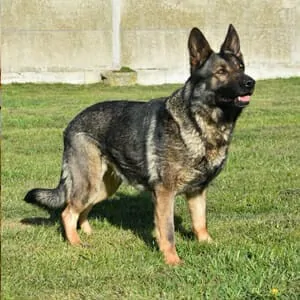
The German Shepherd in a Chicago Household
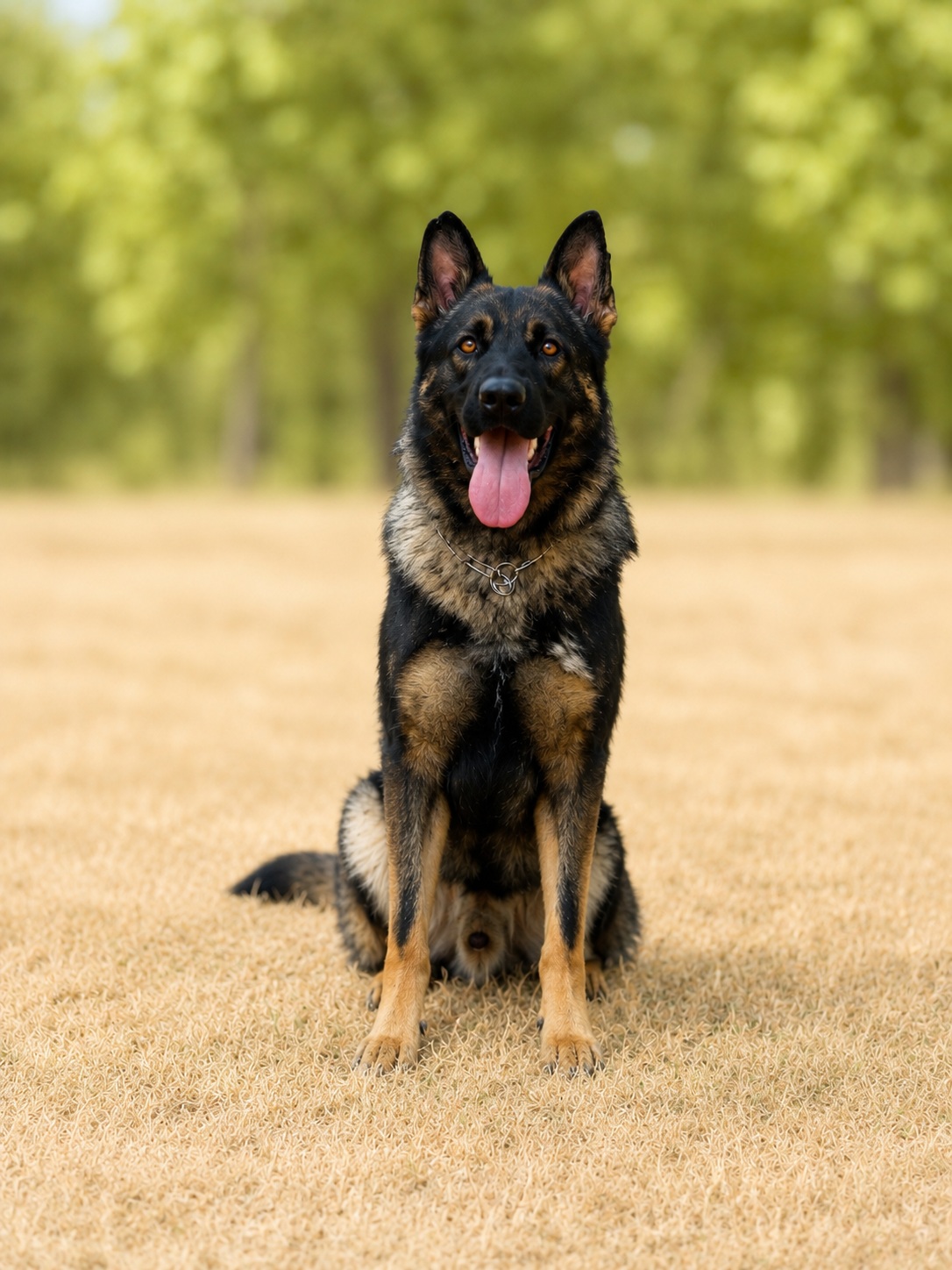
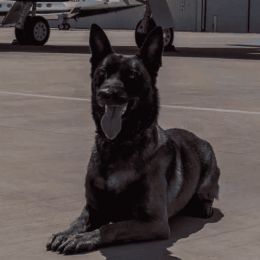
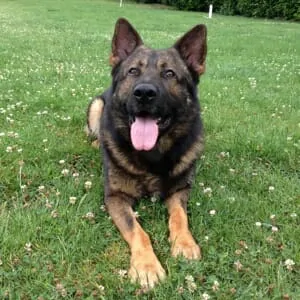
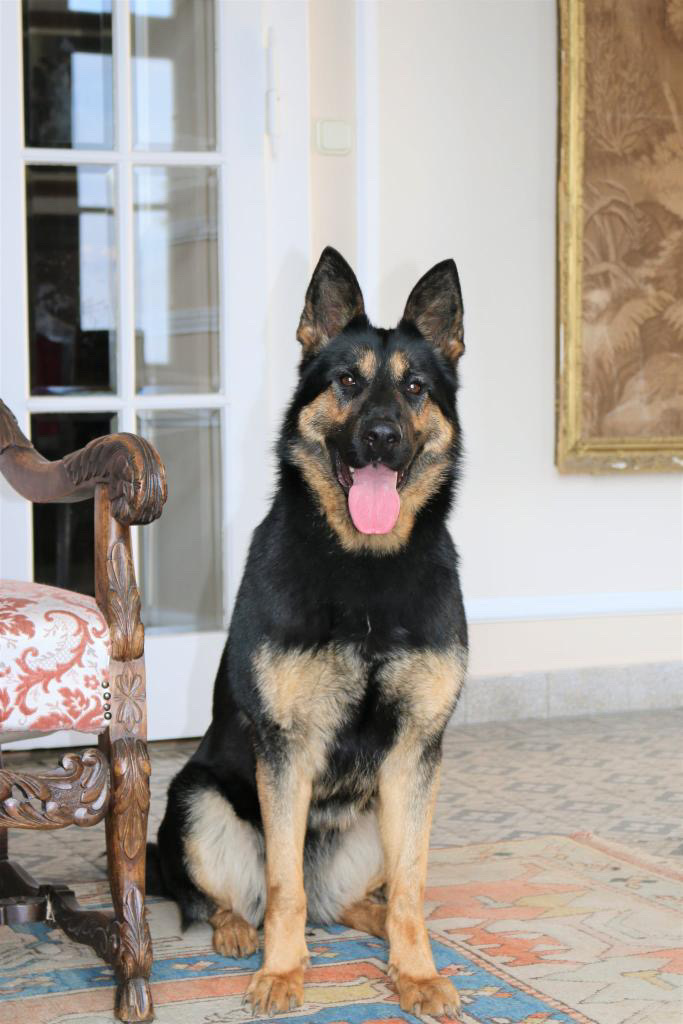
German Shepherds present a calmer and more familiar profile, which tends to suit condo buildings, households with steady routines, and neighborhoods where the dog will be seen by the same people every day. Their presence reads as composed rather than intense, which matters in a building lobby and on a crowded sidewalk.
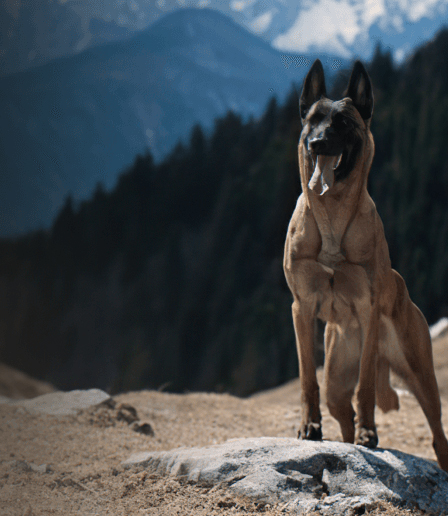
The Belgian Malinois in a Chicago Household
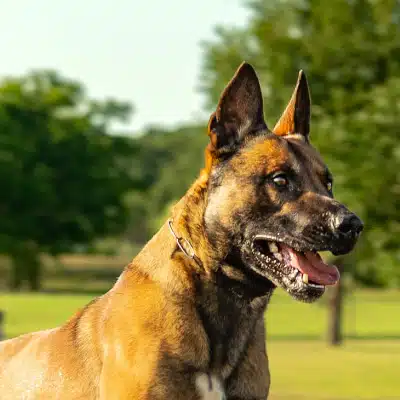
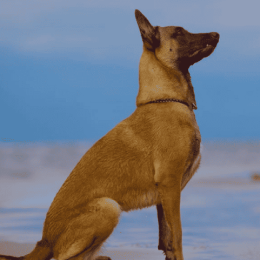
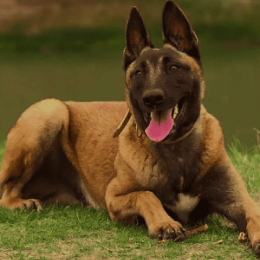
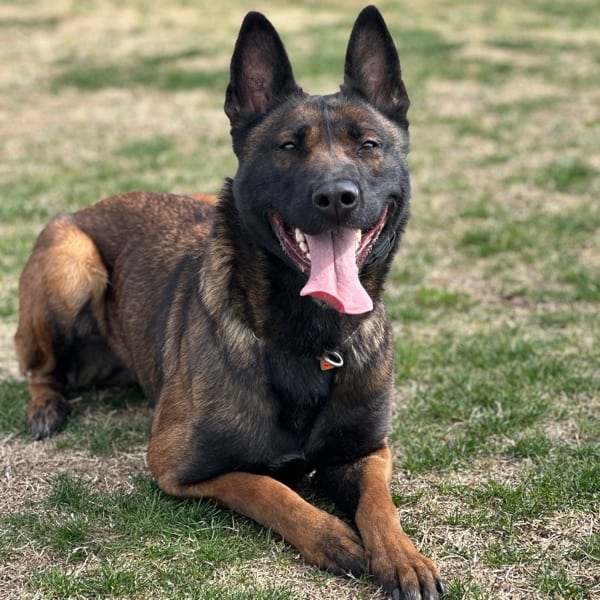
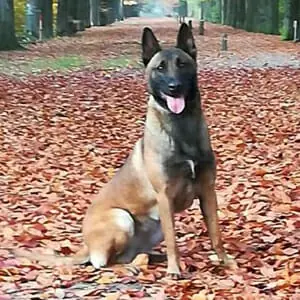
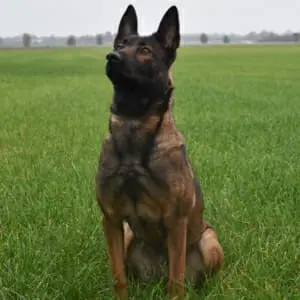
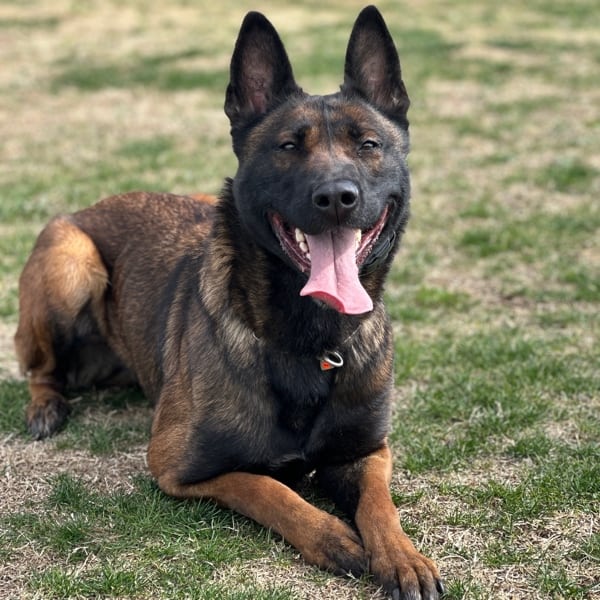
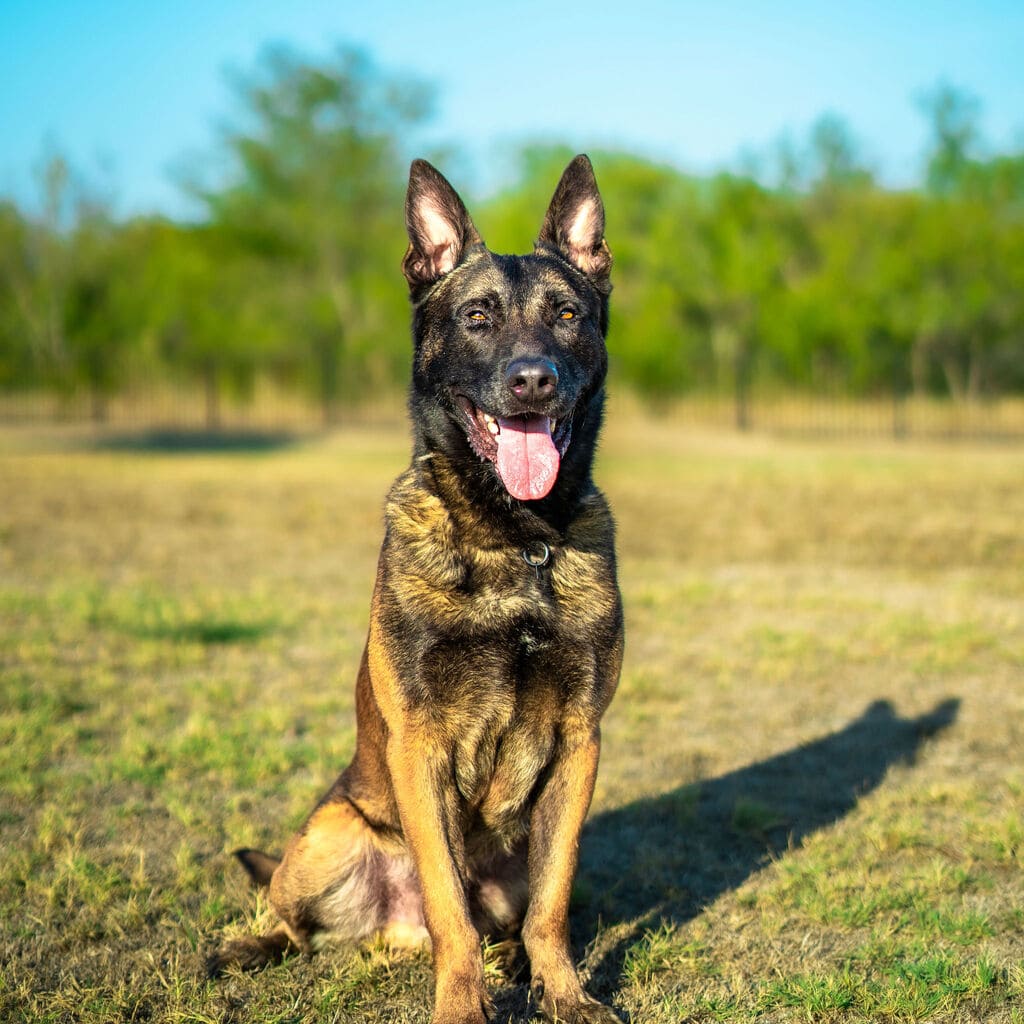
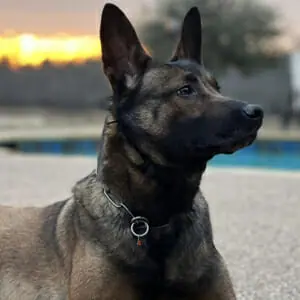
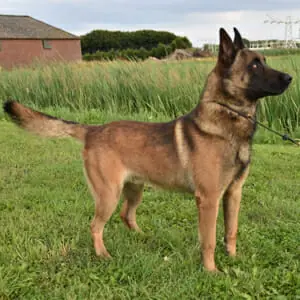
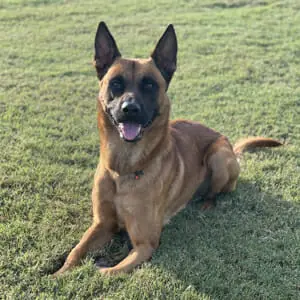
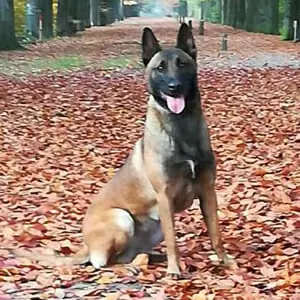
Belgian Malinois are quicker, leaner, and more energetic, with fast reaction times and a high appetite for work. They fit owners who train and exercise with the dog daily and households with real outdoor space or a committed routine, and they are less forgiving of a schedule that leaves them under-engaged.
Space, Schedule, and Handler Experience
A smaller footprint is workable for either breed when the daily routine is real, and a large yard does not substitute for structured work. We ask about your building or lot, your walking routine, winter exercise plans, and who in the household will handle the dog before making a recommendation.
How We Arrive at a Specific Dog
Steve Scott recommends a specific dog after learning about your property, your family, and your routine, not a breed in the abstract. Handler experience and household activity level usually matter more than breed preference, and we will tell you plainly if the dog you are drawn to is not the right match for your home.
Owning a Protection Dog in a Chicago High-Rise
Elevators, Lobbies, and Shared Corridors
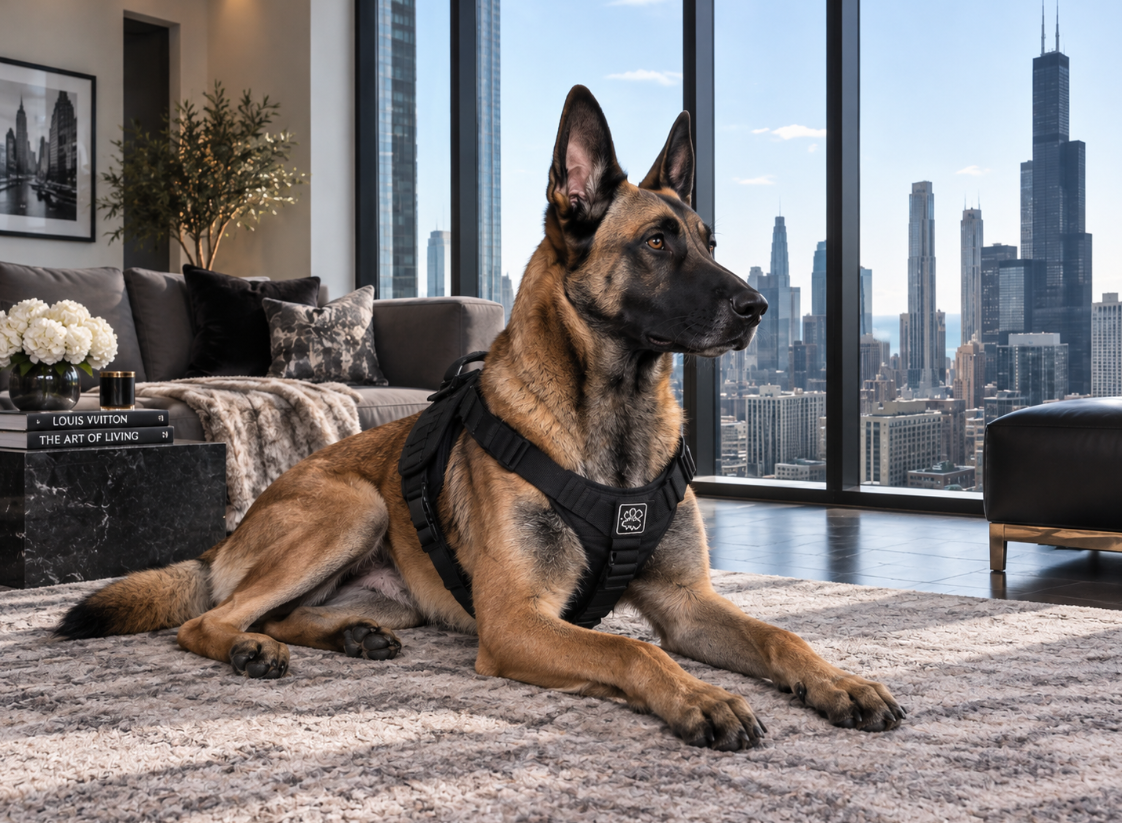
A dog in a high-rise meets more strangers in a week than a suburban dog meets in a month. We select for neutrality in elevators, lobbies, hallways, and parking structures, and coaching covers how to load and unload an elevator, where the dog positions itself when others board, and how to handle a neighbor who wants to say hello.
Doormen, Building Staff, and Deliveries
Doormen, engineers, housekeepers, and package handlers are part of daily life in most Chicago buildings. Introductions to building staff are part of the in-home transition, along with a clear protocol for deliveries at the door and guests arriving through the lobby.
Condo Boards, Pet Addenda, and Documentation
Many Chicago buildings set their own rules on size, registration, service elevator use, and proof of vaccination or training, and some require documentation on file before a dog moves in. Review your association documents or lease addendum early, because gathering paperwork before a placement is far easier than sorting it out the week the dog arrives.
Getting Real Exercise Without a Yard
A working dog without an outlet becomes a problem in any home and faster in a condo. During the in-home transition we build a realistic daily routine around your building and your schedule, using structured walks, obedience work indoors, and the outdoor time your neighborhood actually supports.
Chicago Winters and a Working Dog’s Routine
Cold Tolerance and Conditioning
German Shepherds and Belgian Malinois handle cold well and are worked outdoors in real weather during training, but tolerance is not unlimited and it varies by dog, coat, age, and conditioning. We cover sensible limits for time outdoors, when a coat or boots make sense, and what to watch for on the coldest days.
Road Salt, Ice Melt, and Paw Care
Salted sidewalks and treated garages are a daily reality from December through March and they are hard on paws. Rinsing and drying feet after walks, checking between the pads, and keeping the dog from licking treated surfaces are simple habits we walk through during handler coaching.
Short Days and Indoor Structure
When it is dark by late afternoon and the wind is off the lake, outdoor time shrinks for everyone. Indoor obedience work, scent games, and structured sessions keep a working dog mentally tired when the walk gets cut short, and we show your household how to run them.
Snow, Storms, and Boundary Reliability
Snowbanks change a property. Fence lines disappear, gates freeze open, and familiar boundaries stop looking familiar to a dog. We cover how to keep boundaries clear through the winter and how to reinforce them after a storm so a dog’s reliability does not slip between December and March.
Neighborhoods and Suburbs We Deliver To
Chicagoland covers an enormous range of property in a short drive. The areas below reflect the placements we handle most often, and the setting shapes which dog we recommend.
Gold Coast, Streeterville, and River North
Tower and condo placements need a dog that is neutral in shared spaces and dependable around residents, doormen, and building staff. We select for that specifically and cover building routines during the in-home transition.
Lincoln Park, Old Town, and Lakeview
Narrow lots, alley gates, heavy foot traffic, and neighbors close on both sides call for dogs with strong social stability on leash and clear boundaries at the front door and back gate.
Bucktown, Wicker Park, and the West Loop
Converted buildings, rooftop decks, and busy streets create a different daily picture. Selection here favors dogs that settle quickly in noise and stay predictable around bikes, crowds, and constant delivery activity.
Sauganash, Edgebrook, and the Far Northwest Side
Bungalow and single-family neighborhoods with real yards support a more traditional routine. These are common family placements, and coaching focuses on children, sitters, and the rhythm of a school-day household.
Beverly, Mount Greenwood, and the South Side
Established South Side neighborhoods combine larger lots with close community ties and regular visitors. Dogs matched here are selected for reliability with frequent guests and clear boundaries at the property line.
Winnetka, Kenilworth, Glencoe, and the North Shore
North Shore estates frequently involve household staff, event guests, and lakefront property with more than one access point. Handler coaching covers gate and driveway protocol, staff introductions, and discretion around anyone working on the property.
Hinsdale, Oak Brook, Burr Ridge, and the Western Suburbs
Larger homes on wooded lots with gated drives call for dependable perimeter work and calm behavior around service crews who come and go on a schedule.
Barrington, Long Grove, and Northwest Acreage
Properties with real acreage benefit from dogs with strong outdoor stability and perimeter awareness around equipment, horses, and open ground, then just as settled back inside the house.
Naperville, Wheaton, and DuPage County
Suburban family placements across DuPage usually center on children, school routines, and steady delivery traffic while the house is empty during the day.
Dogs are hand-delivered by a trainer, never shipped, with in-person handler coaching included in every placement. We also deliver to Evanston, Oak Park, Northbrook, Highland Park, Lake Forest, Elmhurst, Orland Park, and northwest Indiana. If you do not see your area listed, reach out and we will confirm coverage and availability.
Illinois Law and Owner Responsibility in Cook County
Illinois Does Not Permit Breed-Based Ordinances
Under the Illinois Animal Control Act at 510 ILCS 5/24, local regulation of dogs may not be specific to breed, which means municipalities and home rule units, Chicago included, cannot ban or restrict Belgian Malinois or German Shepherds by breed. Individual buildings, associations, landlords, and insurance carriers still set their own rules, so review your documents and policy before a placement.
Illinois Liability Reaches Beyond a Bite
Under 510 ILCS 5/16, an owner is liable in civil damages when a dog without provocation attacks, attempts to attack, or injures a person who is peaceably conducting himself or herself in a place where he or she may lawfully be. That standard covers more than a bite, which is one reason we place only dogs with documented obedience and impulse control and coach every household in person. Consult an Illinois attorney about your specific circumstances.
Chicago Registration, Rabies, and Leash Rules
Chicago requires a city dog license for any dog four months or older, tied to a current rabies vaccination, and Illinois requires rabies vaccination and a county tag at four months as well. Dogs must be leashed and under control in public throughout the city, and violations carry substantial fines. You receive complete health records at delivery, which is what you need to register.
Dangerous and Vicious Dog Determinations
Illinois maintains dangerous and vicious dog designations under the Animal Control Act, with confinement, sterilization, microchip, and supervision requirements that apply once a dog has been formally designated. Those determinations turn on an individual dog’s conduct rather than its breed, which is precisely why selection, obedience, secure containment, and consistent handling matter for every owner in this state.
What the Placement Process Looks Like, Step by Step
The First Conversation
The first call is about your household rather than a dog. We discuss your building or lot, who lives there, gate and staff access, children and other pets, travel patterns, and what you want the dog to do on an ordinary day. From there we identify the right match and walk you through that dog’s training history and background.
Sourcing and Final Preparation
Dogs are sourced directly from trusted European breeding programs and personally chosen by Steve Scott for temperament, drive, and trainability. Training covers intensive obedience, controlled protection work, and scenario-based exposure so the dog is prepared for real-world environments rather than a training field alone.
Hand Delivery to Your Chicago Address
A Scott’s K9 trainer brings your dog to you in person. Nothing is shipped as cargo and no dog travels alone. Delivery is coordinated around your schedule and your building, including service entrance access, loading dock rules, or gate codes where those apply.
Two Days of Handler Training in Your Home
Handler training happens in the environment the dog will live in, not at a facility. We cover command handling, household rules, door and gate protocol, introductions to building staff and regular visitors, and the structure that keeps the dog reliable. Continued reinforcement after we leave remains important, and we make sure your household knows exactly what that looks like.
Documentation, Video, and Guarantees
Every placement includes a complete health record, full training documentation and video, a one-year health guarantee, a 90-day performance guarantee, and ongoing handler support wherever you are in Chicagoland. Custom video of specific commands or scenarios is available on request.
Questions Chicago Buyers Ask Before They Call
Can a protection dog live in a Chicago condo or high-rise?
Yes, with the right match and a real exercise routine. High-rise placements need a dog that is neutral in elevators, lobbies, and hallways and dependable around residents and building staff. We select for that specifically and cover building routines during handler coaching, including elevator etiquette, service entrance use, and a daily plan that works in winter as well as summer.
Are Belgian Malinois or German Shepherds restricted anywhere in Chicago or Cook County?
No. The Illinois Animal Control Act prevents local ordinances from regulating dogs by breed, so neither breed is banned or restricted in Chicago or anywhere else in the state. Your building, association, landlord, or insurance carrier may still have its own rules, so check those before you begin.
How do Chicago winters affect a protection dog?
Less than most buyers expect, with reasonable management. Both breeds handle cold well and are conditioned for outdoor work, and handler coaching covers sensible time limits in extreme cold, paw care around road salt and ice melt, and indoor obedience and scent work for the days when a full walk is not realistic.
Do I need to register the dog with the City of Chicago?
Yes. Chicago requires a city dog license for dogs four months and older, and a current rabies vaccination is required to obtain it. Illinois also requires rabies vaccination and a county tag at four months. You receive complete health records at delivery, which is what registration requires.
What does Illinois law say about owner liability?
Illinois holds an owner liable in civil damages when a dog without provocation attacks, attempts to attack, or injures a person who is peaceably conducting himself in a place where he may lawfully be. That is broader than a bite-only standard, which is why obedience, secure containment, consistent handling, and clear visitor protocols matter for every owner here. We recommend speaking with an Illinois attorney and your insurance carrier about your circumstances.
Will the dog be reliable around doormen, neighbors, and delivery drivers?
That is a core part of selection and of the in-home transition. Dogs are chosen in part for impulse control and predictable behavior around unfamiliar people, and we introduce the dog to building staff, regular visitors, and the flow of packages and guests during handler coaching.
Are your protection dogs safe around children?
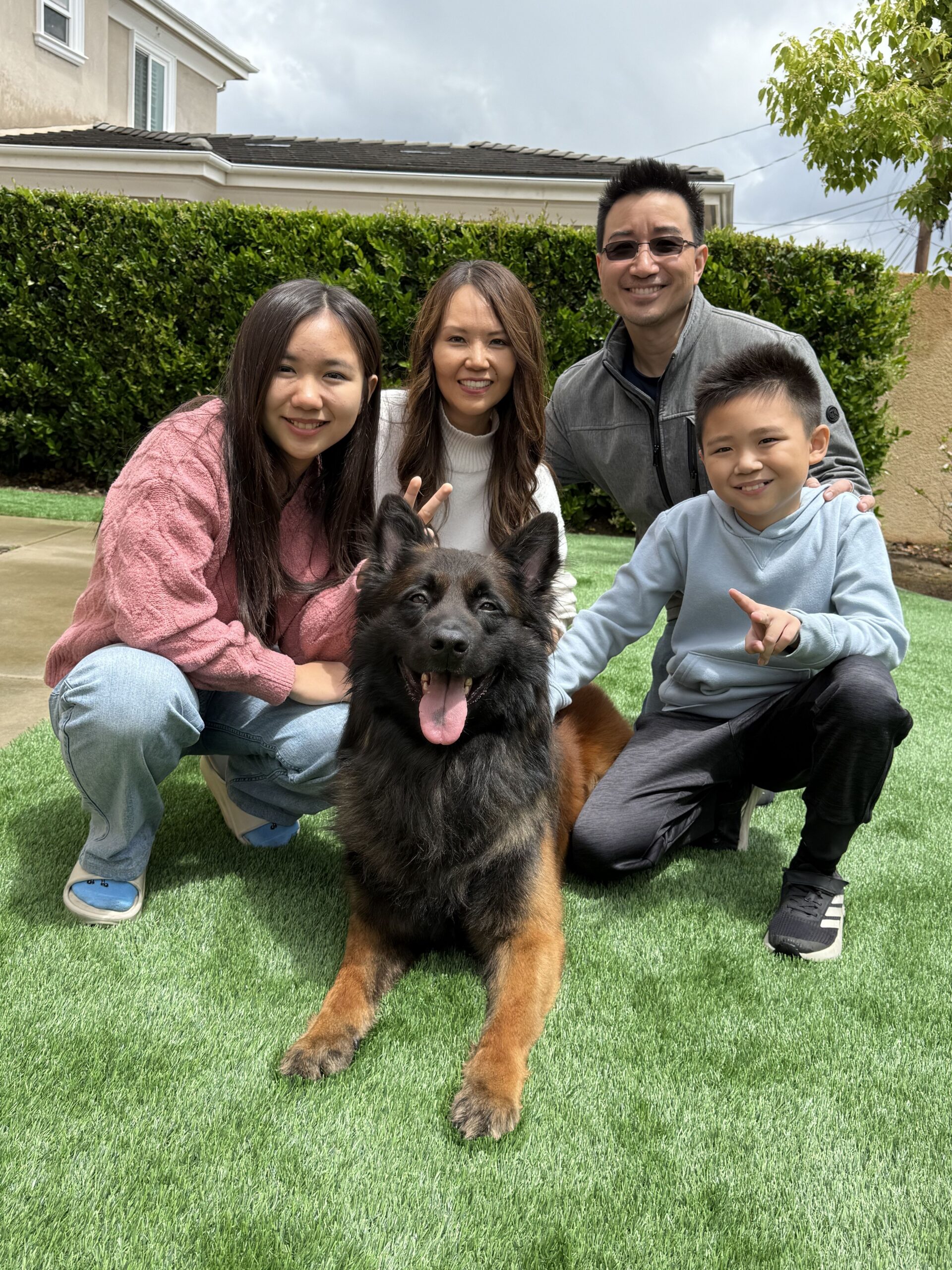
Dogs live with trainer families in active households with children through the final phase of training and are selected in part for social stability. Proper handler guidance and continued structure after placement remain important, and we walk every family through introductions during the in-home transition.
We travel through O’Hare and Midway constantly. Can the dog travel with us?
Yes. Crate conditioning, vehicle behavior, and hotel routines are part of handler coaching, and we walk through clean handoffs to a sitter or boarding facility for the trips the dog does not take. Airlines and charter operators set their own requirements for large working dogs, so confirm those in advance of any flight.
Do you deliver to the suburbs and to second homes in Wisconsin or Michigan?
Yes. Delivery is always in person and covers the full metro, including the North Shore, the western and northwest suburbs, and northwest Indiana. If you keep a second home in Lake Geneva, Harbor Country, or elsewhere, tell us during the consultation so the dog is prepared for both properties from the start.
Which breed works better in a city household?
Both breeds are capable, and the right answer depends on your space and your routine. German Shepherds present a calmer and more familiar profile that suits condo buildings and steady routines. Belgian Malinois are quicker and more energetic, which suits owners who train and exercise with the dog daily. Steve Scott makes the recommendation after learning about your property, your family, and your daily routine.
How many dogs are available at one time?
Scott’s K9 works with only one to three dogs in the final phase of training at any given time, since every dog is personally trained and evaluated by Steve Scott. If a current dog is not the right fit, we are happy to keep your profile in mind for future availability.
How long does the process take?
Timing depends on the match. Once we identify the right dog, we walk you through its training and background, then coordinate delivery and in-home coaching around your schedule, including building access and staff notice. We will not rush a match, and when no current dog fits we will tell you rather than place the wrong one.
Talk With Scott’s K9 About a Chicago Placement
Bringing a fully trained protection dog into a Chicago home is a deliberate decision, and it should start with a conversation rather than a listing. Tell us about your building or property, your household, and what you want the dog to handle, and we will tell you honestly which of our available dogs fits and which does not. Contact Scott’s K9 to discuss your needs, review available dogs, and arrange an in-person delivery to your Chicago address.