Choosing the right guard dog comes down to three factors: the breed, the age and training history of the dog, and the certification behind its protection training. The most reliable guard dog breeds, such as the German Shepherd and Belgian Malinois, pair a stable temperament with the ability to tell a real threat from a harmless situation. A dog trained from a young age and certified to a recognized standard is far more dependable than an untrained adult. Scott’s K9 hand-selects and rigorously trains protection dogs for sale for executive, family, and professional security, so each dog is obedient, confident, and safe in a family environment.
Founded by Steve Scott, Scott’s K9 has spent over a decade hand-selecting and importing elite Belgian Malinois and German Shepherd protection dogs and training them for executive, family, and professional security. See what makes Scott’s K9 different, read our client testimonials, or browse our current protection dogs for sale. For more, see our frequently asked questions.
Buying a trained guard dog is a very important decision. Often, it is precipitated by a situation that has threatened your family, home, or property. Whatever brought you here, the guidance below walks through what to look for so you choose a dog that fits your life and keeps the people you love safe.
Guard Dog Breeds: Which Breeds Make the Best Protection Dogs
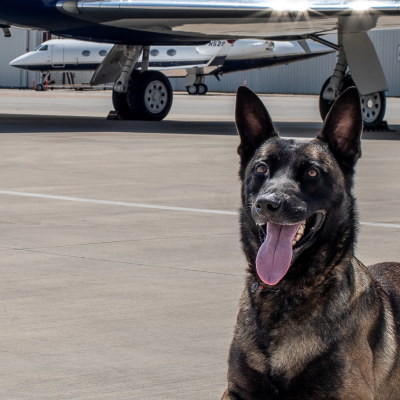
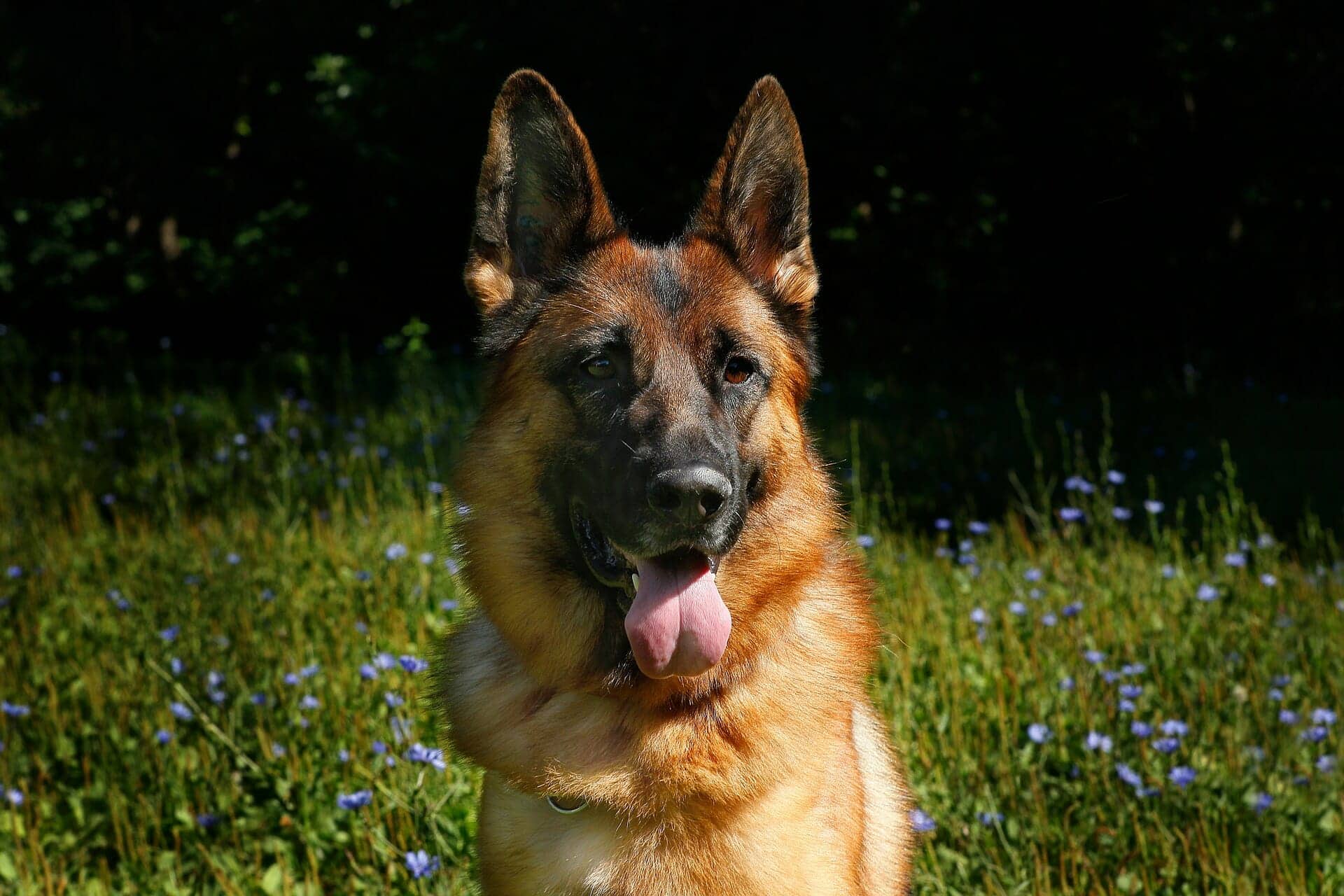
Not every breed is suited to protection work. The strongest guard dog breeds combine confidence, trainability, and the judgment to distinguish a genuine threat from ordinary activity. The German Shepherd is the classic choice: intelligent, loyal, and versatile. The Belgian Malinois brings even higher drive and athleticism, which is why it is favored for demanding executive and professional security roles. Both breeds respond exceptionally well to structured training and integrate calmly into family life when properly raised.
Age of the Dog: Why Early Training Matters
The age at which a dog begins training shapes how dependable it becomes. The best protection dogs start young, practicing obedience and scenario work across many situations so the behavior is second nature by adulthood. An older dog that was never properly trained can become anxious or unpredictable in a guarding role. Choosing a dog trained from a young age, or a puppy placed into a structured program, gives you the most stable and reliable result.
Protection Dog Training and Certification
Training is where a capable dog becomes a trusted protector. Quality protection dogs complete intensive obedience and scenario-based work that builds control, stability, and handler responsiveness. The most respected standard comes from the Royal Dutch Police Dog Association, where dogs earn a certification such as PH 1 (Police Dog 1). A titled dog has been tested for obedience, control, and protection under real conditions. Scott’s K9 provides on-site training for both the dog and its new owner, so the transition home is smooth and clients should follow all handler guidance and local laws.
Not sure which breed suits your lifestyle?
Family Protection Dogs & Police K9 for Sale
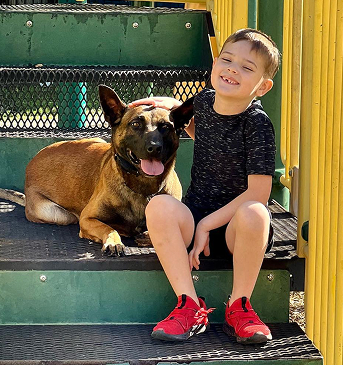
A family protection dog is selected and trained to live safely in a home while remaining prepared to respond to a real threat under the handler’s control. These dogs move easily between calm household companion and alert protector. Steve Scott, the founder of Scott’s K9, built the program around dogs that are obedient and social day to day, yet ready for real-world environments when needed. Proper handling, structure, and continued reinforcement at home remain important for any protection dog.
Frequently Asked Questions About Choosing a Guard Dog
What are the best guard dog breeds?
The most effective guard dog breeds are the German Shepherd, Belgian Malinois, Rottweiler, and Doberman Pinscher. These guardian breeds are confident, easily trainable, and able to tell a genuine threat from a harmless situation. Scott’s K9 focuses on German Shepherd and Belgian Malinois protection dogs, hand-selected for the stable temperament and drive that real-world protection work requires.
What age should a protection dog be?
The best protection dogs begin training as puppies, so they have practiced their skills across many situations by adulthood. Older dogs that were never properly trained often become anxious in a guarding role. Adopting a dog trained from a young age, or a puppy placed into a structured training program, gives you the most reliable and balanced result.
How are protection dogs trained?
Quality protection dogs go through intensive obedience and scenario-based training that builds control, stability, and handler responsiveness. The most respected standard comes from the Royal Dutch Police Dog Association, where dogs earn a certification such as PH 1 (Police Dog 1). Scott’s K9 provides on-site training for both the dog and its new owner so the transition home is smooth.
What certification should a trained guard dog have?
Look for a recognized working certification that documents the level of training a dog has completed. The minimum level to look for is PH 1, or Police Dog 1, from the Royal Dutch Police Dog Association. A titled dog has been tested for obedience, control, and protection under real conditions, which is more dependable than a dog described only as trained.
Are protection dogs safe around families?
A properly selected and trained protection dog is social, obedient, and safe in a family environment. Scott’s K9 dogs are chosen for stable temperaments and trained to respond to their handler, so they move easily between calm household companion and alert protector. Proper handling, structure, and continued reinforcement at home remain important for any protection dog.
What is the difference between a guard dog and a family protection dog?
A guard dog is trained mainly to deter and alert, while a family protection dog is selected and trained to live safely in a home and respond to real threats under the handler’s control. Scott’s K9 specializes in fully trained family protection dogs that are obedient and social day to day, yet prepared for real-world environments when needed.
Where does Scott’s K9 source its protection dogs?
Steve Scott, the founder of Scott’s K9, imports quality trained dogs from Europe, most often from Holland, Germany, and Belgium, where the leading working-dog programs are based. Each dog is hand-selected, evaluated, and finished to Scott’s K9 standards before placement with families, executives, and professional security clients worldwide.
How do I get started with Scott’s K9?
Getting started is simple. Contact Scott’s K9 to discuss your security needs, your household, and the type of protection you want. Our team will match you with a suitable trained protection dog and provide on-site guidance so you and your dog work well together from day one. You can also browse our protection dogs for sale to see current availability.