- 10 Breeds at a Glance
- Key Factors in Choosing a Protection Dog When You Live Alone
- Benefits of Having a Dog When You Live Alone
- The 10 Best Dog Breeds for Women Living Alone
- Choosing a Breed vs. Choosing a Fully Trained Protection Dog
- What Does a Fully Trained Protection Dog Cost?
- Protection Dogs for Women Living Alone: FAQs
The best protection dog for a woman living alone depends on how much security she needs, her space, and her daily routine. German Shepherds and Belgian Malinois are the breeds most often selected for trained personal protection, while breeds such as Boxers and Great Danes are better suited as alert companions. For many women, a fully trained adult dog offers more predictability than raising a puppy.
Use the table below to compare all 10 breeds, then read the detailed profiles.
10 Breeds at a Glance
| Breed | Size | Energy | Best suited as |
|---|---|---|---|
| Doberman Pinscher | Large | High | Protection dog, with professional training |
| German Shepherd | Large | High | Protection dog, with professional training |
| Boxer | Medium to large | High | Alert watchdog and companion |
| Rottweiler | Large | Moderate | Protection dog, with professional training |
| Belgian Malinois | Medium to large | Very high | Protection dog for active owners, with professional training |
| Akita | Large | Moderate | Watchdog for experienced owners |
| Jack Russell Terrier | Small | High | Alert watchdog for small spaces |
| English Bulldog | Medium | Low | Companion |
| Great Dane | Giant | Low to moderate | Visible presence and companion |
| Golden Retriever | Large | Moderate to high | Companion |
Key Factors in Choosing a Protection Dog When You Live Alone
People are diverse in their personalities, and so are animals. Before you invest in a protection dog, it’s good to examine which breed’s personality traits best mesh with yours so you and your dog will both have a rewarding experience. As you explore protection dogs for women, ask yourself the following before searching for that perfect animal:
- Are you outgoing and energetic or more reserved?
- How much time do you have to commit to caring for your animal?
- What is your living situation? Do you live in a house with a fenced-in yard, or are you in an apartment?
- What kind of social life do you have? Are you active or a homebody?
- Do you have an interest in continuing to train your dog?
- What safety concerns do you have?
It’s important to think carefully about the answers to these questions and be honest with yourself. You don’t want a dog breed that clashes with you.
Here are some factors to consider as you explore the best guard dogs for women to find your perfect match.
- Breed and Personality: The traits of the breed are important, but know that not every purebred dog in a litter shares the same attributes as the others. Golden Retrievers are naturally friendly and playful, for example, but you could get one that is anxious or shy. Temperament testing and early socialization matter as much as breed.
- Lifestyle and Time Commitment: Be honest about your activity level. Puppies are full of energy, but what happens when that dog grows up? If you’re not an overly active person, getting a dog that requires a lot of physical activity won’t be fun for either of you.
- Living Situation and Space: Pay close attention to the breed that will best adapt to your living situation. Even some larger dogs do well in small apartments, while others need plenty of room to stretch and run in a backyard.
- Security Needs: If personal security is a priority, consider an adult dog that has already completed obedience and protection training instead of a puppy. Fully trained protection dogs are typically between 18 months and 4 years old when placed.
Benefits of Having a Dog When You Live Alone
A dog offers companionship and an added layer of security, which can matter most when you live alone. Here is what research says about the benefits.
- Added Security:Research from The Ohio State University found that neighborhoods with more dogs tend to report less crime, and former burglars have said barking dogs are among the strongest deterrents. A dog is not a guarantee, but it adds alertness to your home. Compare home security dogs
- Reduced Loneliness and Isolation: Living alone as a single person can feel lonely sometimes, and having a dog is shown to reduce social isolation and loneliness significantly. This is partly due to the companionship they offer, but they’re also shown to raise your oxytocin levels, which boosts your mood.
- Better Health: Study after study shows that owning a dog is good for your physical and mental health. Dog owners consistently experience reduced stress and cortisol levels, lower blood pressure, lower anxiety, and better heart health. You’ll move more if you have a dog, too, which is good for your whole body.
- Increased Social Time: Having a dog often makes you seem more approachable and gives people a great reason to strike up a conversation. Research shows that having a dog can make it easier to make friends. Studies suggest people with dogs are often seen as more approachable and likable.
The 10 Best Dog Breeds for Women Living Alone
Now that you’ve nailed down what dog traits best match up with yours, it’s time to think about which breed of dog to get. Fortunately, there are a variety of breeds that work both as companions and good protection dogs for women, so picking the perfect pooch shouldn’t be too difficult. Here are the breeds likely to make the best guard dogs for single women.
1. Doberman Pinscher
Best for: women who want a loyal, people-focused dog and can commit to training. The Doberman was originally developed as a protection breed. It is athletic, alert, and closely bonded to its owner, which is why it is often called a “Velcro dog.” A Doberman’s confident presence can discourage unwanted visitors, and with consistent training it is a calm, devoted companion at home.
 2. German Shepherd
 2. German Shepherd
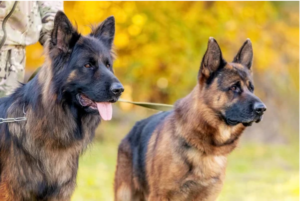
Best for: women who want a versatile, highly trainable protection dog. German Shepherds are among the breeds most commonly selected for protection, police, and service work because of their intelligence, confidence, and steady temperament. With professional training, a German Shepherd is responsive to its handler, social with guests, and composed in public. It needs daily exercise and a clear routine.
3. Boxer
Best for: apartment living and an alert, affectionate companion. Boxers are playful and devoted, and they are quick to bark at unfamiliar sounds, which makes them good watchdogs. They are smaller than most protection breeds and adapt well to apartments when they get daily exercise.
4. Rottweiler
Best for: experienced owners with space for a large dog. Rottweilers are loyal, confident, and naturally watchful, and they do well in personal protection roles with professional training. Males can weigh well over 100 pounds, so consider your space and your comfort handling a large, strong dog.
 5. Belgian Malinois
 5. Belgian Malinois
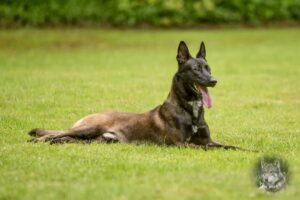
Best for: active women who want a highly trained protection dog. The Belgian Malinois is intelligent, fast, and eager to work, and it is one of the breeds most often selected for police and protection work. A well-trained Malinois is social and confident, but it needs daily exercise and mental work. It is a strong fit for an active owner and a poor fit for a sedentary routine. Learn what a trained Belgian Malinois costs.
6. Akita
Best for: experienced owners with a yard. Akitas are loyal and naturally reserved with strangers, which makes them attentive watchdogs. They are independent and strong willed, so they need consistent, confident training and early socialization.
7. Jack Russell Terrier
Best for: small spaces and an early-warning companion. Jack Russells are small but alert and energetic, and they will bark at anything unusual. They are not protection dogs, but they make capable watchdogs for apartment living.
8. English Bulldog
Best for: a calm, low-exercise companion. English Bulldogs are content with short walks and little space. They are not bred for protection, but they will often alert you to visitors, which suits a woman who mainly wants companionship.
9. Great Dane
Best for: a gentle companion with a commanding presence. Great Danes are patient, affectionate, and good with other pets. Their size alone is noticeable, but they are typically easygoing and need plenty of room to stretch out.
10. Golden Retriever
 10. Golden Retriever
Best for: companionship first. Golden Retrievers are friendly with nearly everyone, which makes them wonderful companions and poor guard dogs. Any larger dog can add some deterrence, but a Golden is the right choice when companionship matters more than protection.
The right dog is the one that fits your security needs and your daily life. If you mainly want companionship and an early warning, a watchdog breed may be enough. If personal security is a priority, the breed matters less than the training, which is why many women choose a fully trained adult protection dog over a puppy.
Choosing a Breed vs. Choosing a Fully Trained Protection Dog
Breed sets a dog’s potential. Training determines how the dog actually behaves at home, in public, and when something feels wrong. A puppy of any protective breed needs up to two years of socialization, obedience, and professional protection training before it can serve as a protection dog, and the outcome is never certain.
A fully trained protection dog arrives as an adult whose temperament and training are already proven. At Scott’s K9, every dog is hand-selected from European working lines, trained under Master Trainer Steve Scott, a U.S. Army veteran and former police K9 unit head trainer, and socialized to live calmly in a home. You can see each dog working on video before you commit, and every dog is hand-delivered with a two-day handler course.
A protection dog adds a layer of security. Proper handling, daily structure, and continued reinforcement keep it reliable, and owners should follow all handler guidance and local laws.
Compare German Shepherd protection dogs and Belgian Malinois protection dogs.
What Does a Fully Trained Protection Dog Cost?
Scott’s K9 places dogs between $175,000 and $250,000, depending on each dog’s traits, abilities, training, and certifications. The protection dogs currently available are listed at $175,000.
That investment reflects European working-line selection, advanced obedience and protection training, family socialization, hand delivery with a two-day handler course, a 1-year health guarantee, a 90-day performance guarantee, and lifetime support. A puppy costs far less up front but needs years of professional training before it can protect.
See the full breakdown in How Much Does a Protection Dog Cost?
Protection Dogs for Women Living Alone: FAQs
What is the best protection dog for a woman living alone?
Should a woman living alone get a puppy or a trained protection dog?
How much does a fully trained protection dog cost?
Scott’s K9 places fully trained protection dogs between $175,000 and $250,000, depending on each dog’s traits, training, and certifications. The dogs currently available are listed at $175,000.
Can a protection dog live in an apartment?
Is a trained protection dog safe around friends and guests?
What is the difference between a watchdog and a protection dog?
Sources:
- Pet ownership, loneliness, and social isolation: a systematic review
- No bones about it: Dogs are good for your health
- 10 Science-Based Benefits of Having a Dog
- Living Single? Having a Dog May Extend Your Life
- Dog owners are more likely to meet physical activity guidelines than people without a dog: An investigation of the association between dog ownership and physical activity levels in a UK community
- Pet Ownership may Attenuate Loneliness Among Older Adult Primary Care Patients Who Live Alone
- Pet Ownership may Attenuate Loneliness Among Older Adult Primary Care Patients Who Live Alone
- Do Dog Owners Live Longer?
- Pet ownership, loneliness, and social isolation: a systematic review
- Animal Visitation Program (AVP) Reduces Cortisol Levels of University Students: A Randomized Controlled Trial
- Pet Ownership and Cardiovascular Health in the US General Population
- Paws on the Street: Neighborhood-Level Concentration of Households with Dogs and Urban Crime
- More dogs in the neighborhood often means less crime
- Former burglars say barking dogs and CCTV are best deterrent
- Dog Ownership and Survival: A Systematic Review and Meta-Analysis
- Does a Dog’s Presence Make a Person Appear More Likable?: Two Studies
- https://www.tandfonline.com/doi/abs/10.2752/175303708X371564
- The Pet Factor – Companion Animals as a Conduit for Getting to Know People, Friendship Formation and Social Support
- Dog’s gaze at its owner increases owner’s urinary oxytocin during social interaction