- What Makes a Good Family Guard Dog?
- How to Choose the Right Home Security Dog
- The Advantages of Owning a Guard Dog
- The Growing Need for Guard Dogs in Modern Homes
- Guard Dog Misconceptions: What You Need to Know
- Guard Dogs vs. Fully Trained Protection Dogs
- Top-Rated Guard Dogs for Your Family’s Home Security
- Frequently Asked Questions About Home Security Dogs
The best guard dogs for home security combine a natural protective instinct with obedience, stability, and loyalty to their family. Breeds like the German Shepherd and Belgian Malinois are consistently chosen for home and family protection because they are intelligent, confident, and highly responsive to training. The right dog for you is one that fits your household, your lifestyle, and your security needs, and that has been properly trained to assess and respond to real situations while remaining safe and social at home.
What Makes a Good Family Guard Dog?
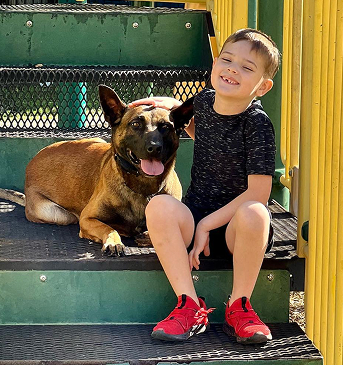
The best guard dogs for families should be comfortable with children and in busy homes, along with the instinct to protect their people in dangerous situations. They need to have high energy to stay alert, but they shouldn’t be overly aggressive in situations that don’t call for it. Typically, the best security dogs are also large and strong, so they need to know how to behave. They should respond quickly to training, ensuring they’re properly socialized and respond to commands.
How to Choose the Right Home Security Dog
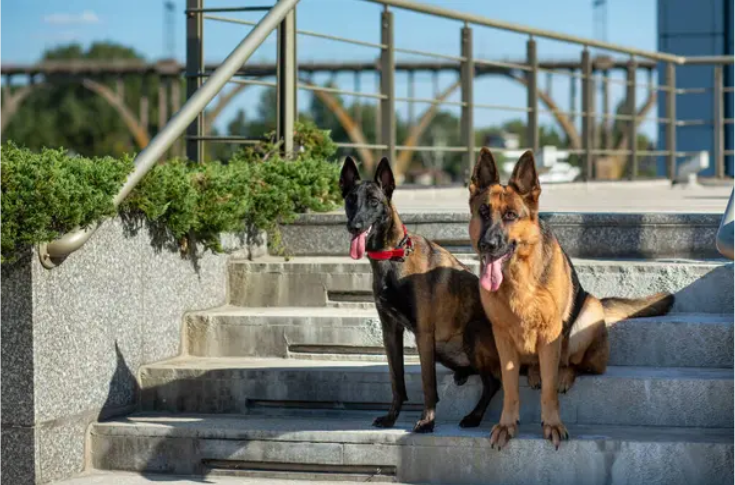
If you’ve decided a home protection dog is right for you, how do you choose the best dog for security and family?
- Commit to proper training. Protection dogs need extensive training to properly identify a threat and respond appropriately. If you want a guard dog that you can trust around your family and other people, you must commit to professional training to ensure your dog is ready to assess and respond to threats (but not to squealing kids).
- Research your breeds and breeders. Choosing a breed from the most protective dogs may seem easy, but you also need to choose your breeders. Choose well-regarded breeders with a history of breeding healthy dogs with the traits you want.
- Have clear expectations. Before meeting puppies, know what you’ll expect of your protection dog. Will they need to patrol outdoors or in the home? How do you expect them to alert you to danger? How do you want your dog to respond to a threat? Clear expectations get you the right dog for you.
- Meet the puppy (or have a trusted trainer do so). Every puppy will have their own personality, and it’s important to see that early on. Look for puppies that aren’t fearful, timid, or overly aggressive puppies. Learn about the puppy’s parents, and get a clean bill of health.
The Advantages of Owning a Guard Dog
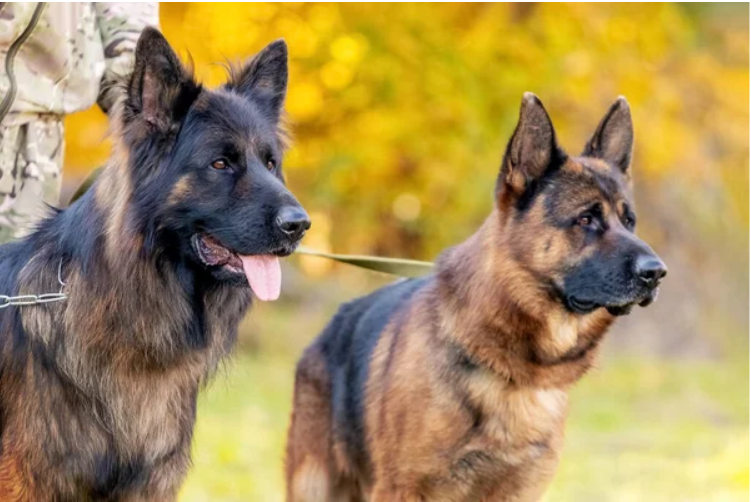
There are many benefits to owning a protection dog because the best security dogs are so much more than just security. Here are some of the advantages you can enjoy.
- Deterrent to criminals:A protection dog can help discourage many intruders on sight. The visible presence of a confident, well-trained protection dog is often enough to discourage intruders before a situation escalates.
- Lifelong companionship: The best guard dogs for families are also loving family members. They’re patient and well-behaved, making them particularly good with children. With proper training and socialization, you can trust them with every member of your family.
- More exercise: Protection dogs have a lot of energy, and they’re happiest expending that energy on work, play, or exercise. Whether you take your dog to walk, run, do obstacle courses, or play with the kids in the backyard, you’ll all get more exercise.
- Peace of mind:A well-trained protection dog is loyal and attentive to its family. The bond you build supports a calmer, more secure home, giving your household an added layer of protection alongside responsible security planning.
Not sure which breed suits your lifestyle?
The Growing Need for Guard Dogs in Modern Homes
Crime is a reality we all have to live with and even the rich and famous are vulnerable. Recently, after several burglaries of professional basketball players’ homes, the NBA joined the NFL and NHL in encouraging their players to upgrade their home security. In a memo sent to teams, the NBA specifically urged players to “utilize dogs for home protection.”
In most of the burglaries of the sports stars’ homes, the existing alarm systems weren’t activated. Alarm systems can be part of a security solution, but even the most advanced system can also be turned off. The best home security dogs are never “off.” You can count on them to identify and assess a potential threat well before an alarm system could, and they can also take defensive action when necessary.
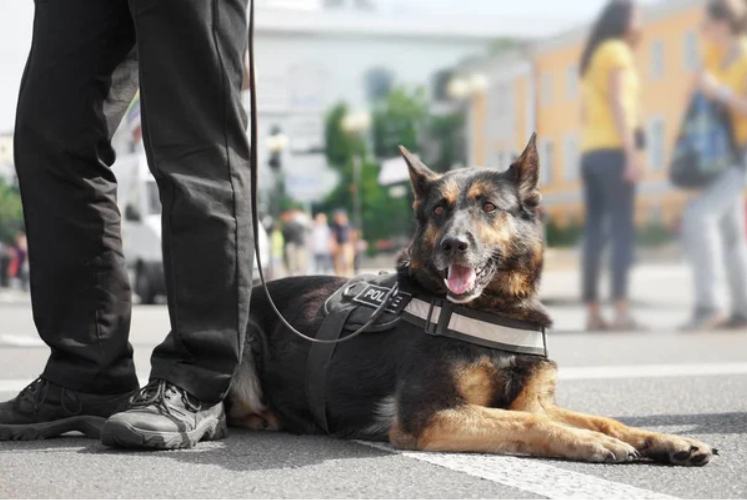
Guard Dog Misconceptions: What You Need to Know
People frequently confuse guard dogs with attack dogs, but they’re different. While guard dogs have an innate desire to protect their owners, they’re well-trained, so they do not become aggressive unless there’s a threat. The best security dogs can assess a potential threat before taking any action.
Another misconception is that guard dogs can’t be around children. However, a well-trained and thoroughly socialized guard dog is likely great with kids. What matters for the best guard dogs for families is training and socialization, which goes for any dog. No dog should be left alone and unsupervised with young children, no matter their breed, size, or training.
Guard Dogs vs. Fully Trained Protection Dogs
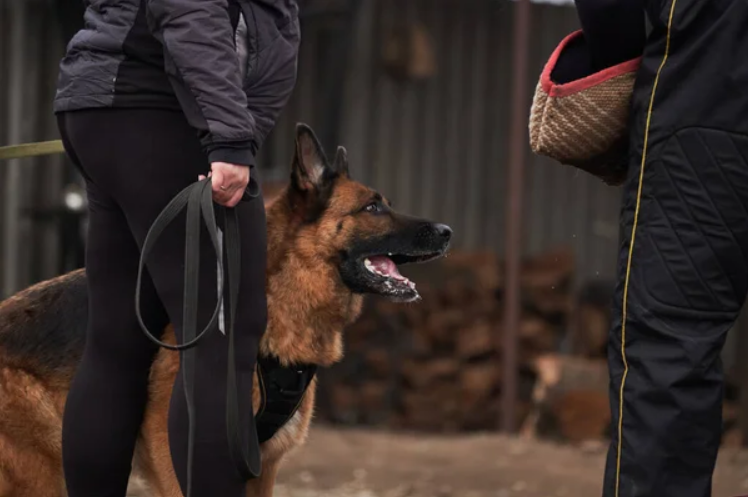
A traditional guard dog typically alerts you to something unusual, while a fully trained protection dog is taught to detect, assess, and respond to real situations under handler control. At Scott’s K9, our dogs complete intensive obedience and scenario-based training so they stay confident and responsive in demanding environments while remaining safe and social at home. Proper handling, structure, and continued reinforcement remain important for any protection dog.
Top-Rated Guard Dogs for Your Family’s Home Security
Wondering which of the most protective dogs make the best security dogs? Learn more about top guard dog breeds. The best dog for your security and family is the one that meets your needs.
German Shepherd
German Shepherds are smart, energetic, strong, and brave with a reliable drive to work, making them a top choice as the best dog for security and family. Gentle and patient with kids, they’re also fiercely loyal and willing to put themselves in harm’s way to protect their loved ones. German Shepherds are an ideal family guard dog.
Rottweiler
Another popular choice, Rottweilers are smart, confident, powerful, and adaptable. They are great with kids but tend to be aloof and territorial. With plenty of early training and socialization, they can make very good guard dogs.
Doberman Pinscher
Another intelligent breed, Dobermans are athletic, fearless, and vigilantly protective. They are affectionate with family but tend to find their own entertainment if they don’t have a constructive outlet for their energy. Ample training and exercise are essential for these noble guard dogs.
Boxer
Boxers are smart, too, and their affectionate, loyal nature makes them great with kids. They have plenty of energy, so they need a job or regular exercise, and they excel at alerting their owners to trouble. That said, Boxers tend to be better at alerting and protecting proactively rather than actively protecting, so this breed is best if you’re looking more for a deterrent.
Malinois
Confident, intelligent, and fearless, the Malinois is another top choice for guard dogs, police dogs, and military work. These dogs learn quickly, so they take very well to training, and they love to have a job to focus their energy on. They are also social and loyal, but very protective, and their agility and speed make them excellent guard dogs.
At Scott’s K9, we specialize in hand-selected German Shepherd and Belgian Malinois protection dogs that are rigorously trained for real-world home and family environments. Founded by Steve Scott, our program focuses on obedience, control, and stability so each dog is confident, responsive, and safe around the people you love. Our fully trained protection dogs are prepared for demanding environments, and we guide every client through placement and beyond. Proper handling, structure, and continued reinforcement remain important.
Frequently Asked Questions About Home Security Dogs
What is the best guard dog for home security?
The best guard dog for home security is one that is protective, obedient, and stable around your family. German Shepherds and Belgian Malinois are popular choices because they are intelligent, confident, and highly trainable. The right breed for you depends on your household, lifestyle, and security needs, and on the dog receiving proper professional training.
Are guard dogs safe around children and family?
A well-trained and properly socialized protection dog can be safe and social in a family setting. Obedience, stability, and structure matter far more than breed alone. As with any dog, no protection dog should be left alone and unsupervised with young children, and ongoing reinforcement and responsible handling remain important.
What is the difference between a guard dog and a fully trained protection dog?
A guard dog typically alerts owners to a threat, while a fully trained protection dog is taught to detect, assess, and respond to real situations under handler control. Fully trained protection dogs go through intensive obedience and scenario-based training so they remain safe and social at home while prepared for real-world environments.
Which breeds make the best home protection dogs?
German Shepherds and Belgian Malinois are among the most commonly selected breeds for home and family protection because of their intelligence, confidence, trainability, and stability. Other breeds such as Rottweilers, Dobermans, and Boxers can also serve as guard dogs, though breed alone does not replace professional training and proper client fit.
Do protection dogs require ongoing training?
Yes. A protection dog performs best with proper handling, structure, and continued reinforcement. Training is not a one-time event. Owners should follow all handler guidance and local laws, and maintain obedience and socialization so the dog stays confident, responsive, and safe in everyday family life.
How much does a home protection dog cost?
Pricing for a fully trained protection dog reflects careful selection, breed expertise, and intensive training, so these dogs are a premium investment. Costs vary based on the training level and the individual dog, and a consultation gives you an accurate picture for your needs and lifestyle.
Can a protection dog replace a home alarm system?
A protection dog can provide an added layer of security and companionship that an alarm system cannot, but it works best alongside responsible security planning. A trained dog can help detect and assess a potential threat, though no single measure removes all risk, and situational awareness still matters.
Are German Shepherds or Belgian Malinois better for families?
Both breeds can be excellent family protection dogs. German Shepherds are often calm, loyal, and patient, while Belgian Malinois are highly energetic and driven. The better fit depends on your lifestyle and activity level. A professional consultation helps match the right breed and individual dog to your household.
Sources:
Best Guard Dogs
How To Pick And Train The Perfect Guard Dog
NBA urges players to get guard dogs, update home alarms in wake of burglaries
DEBUNKING COMMON MISCONCEPTIONS ABOUT PROTECTION DOGS
10 Best Guard Dogs for Families: Naturally Protective Breeds
21 Loyal Guard Dog Breeds That Will Help Protect Your Family
7 best guard dogs for families