Choosing a protection dog isn’t like picking a pet from the pet store. It’s a serious decision that affects your lifestyle, your family, and your long-term safety. At Scott’s K9, we’re often asked about the best personal protection dog breeds, and while it’s true that breed absolutely matters, it’s really only part of the equation. Temperament, training, environment, and handler compatibility also play crucial roles.
Why Breed Matters – but Isn’t Everything
Some breeds are naturally better suited to this kind of work than others based on their genetic makeup, drive, and physical attributes. This is why the conversation about the best breeds for personal protection is relevant.
But breed alone is not the determining factor in success.
You cannot have a well-bred dog that is not well trained and expect it to perform to its maximum potential. On the other hand, you cannot have a well-trained dog that has a temperament that is not conducive to its owner and expect to have a smooth relationship.
At Scott’s K9, we encourage our clientele to understand that the best breed for personal protection is: genetics + training + match = success.
How Scott’s K9 Evaluates Personal Protection Dog Breeds
At Scott’s K9, evaluation begins long before a dog is placed with a client. We assess:
- Nerve strength and environmental stability
- Sociability and family compatibility
- Drive balance (prey, defense, and control)
- Trainability and responsiveness
- Physical health
Our goal is to provide trained protection dogs that function safely in real-world environments.
Best Personal Protection Dog Breeds Recommended by Scott’s K9
While there are many breeds that are marketed as protection dogs, only a handful consistently meet the standards that are required for high-level protection dog training.
Below are the best personal protection dog breeds that we commonly recommend.
Belgian Malinois
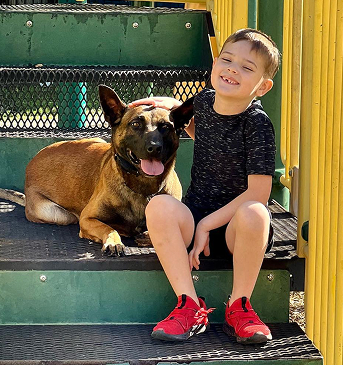
The Belgian Malinois is considered one of the top personal protection dog breeds in the world. The Malinois is highly intelligent, athletic, and focused. This breed does well in highly controlled protection environments.
Because of their agility and quick response, Malinois make great executive protection dogs. However, they do not make casual pets.
German Shepherd
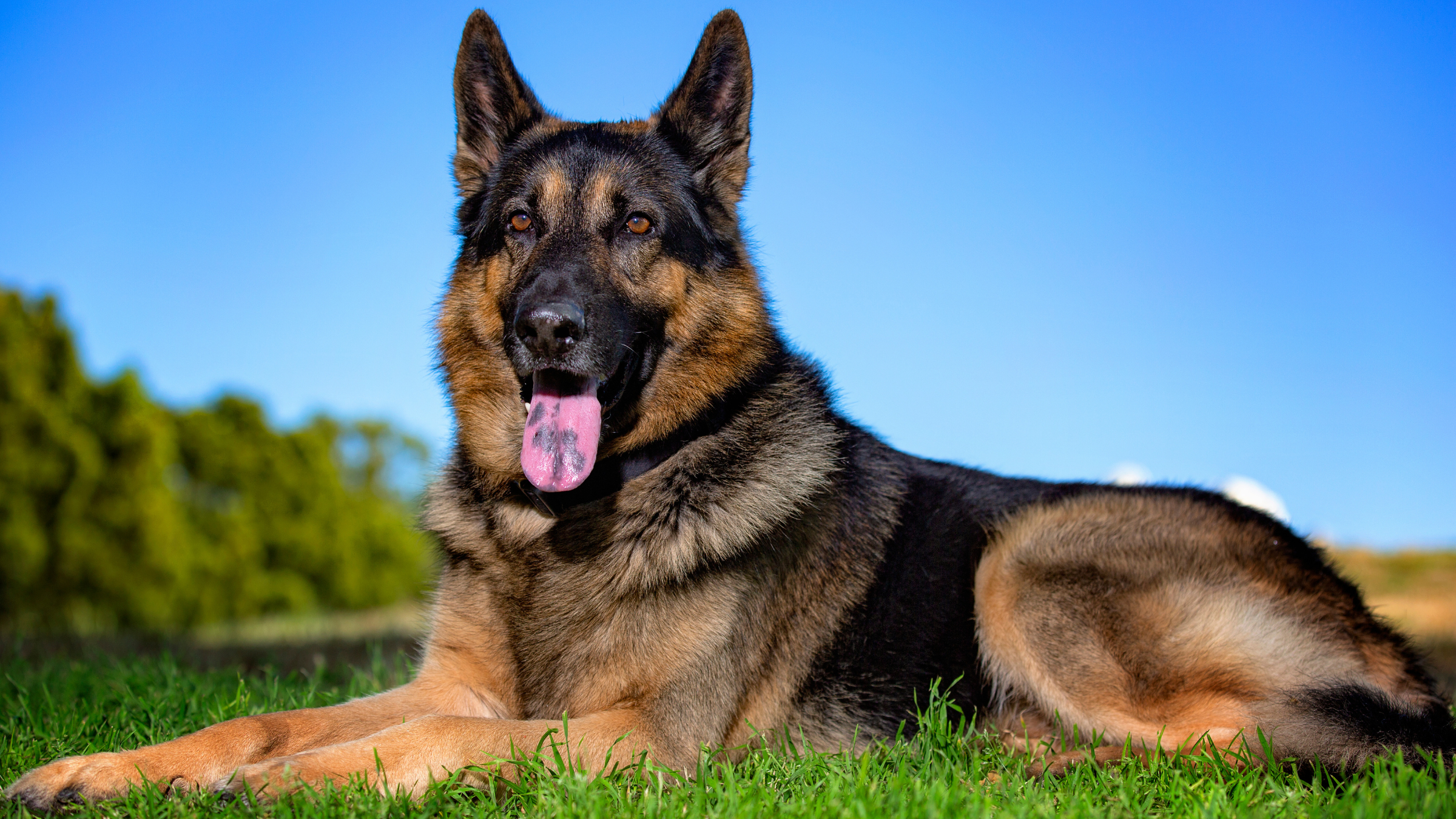
The German Shepherd has always been one of the most recognized and reliable protection breeds. For decades, they’ve been trusted in both family protection dog roles and professional security work.
German Shepherds offer a strong balance of protection instinct and family integration. They are often recommended among the best personal protection dog breeds because of their adaptability and steady temperament.
They can also serve as executive protection dogs while remaining stable around children and guests, provided that their protection dog training is thorough and ethical.
Breeds That Are Commonly Misunderstood
Some breeds are marketed heavily as protection dogs but lack the consistent traits required for advanced work. Others are misunderstood due to media portrayal.
Not every large or muscular dog qualifies as one of the best personal protection dog breeds. Stability, nerve strength, and trainability are far more important than appearance. Some commonly misunderstood dog breeds include the Doberman pinscher, Rottweiler, and Pitt bulls.
At Scott’s K9, we don’t recommend breeds based on trends. We recommend dogs based on proven working ability and compatibility.
Matching the Breed to the Owner’s Lifestyle
The best personal protection dog breeds for one client may not be the best fit for another. A busy executive who frequently travels might require executive protection dogs with strong adaptability and handler-focused training.
A household with children may prioritize a stable family protection dog that integrates smoothly into daily life.
It’s essential to match energy level, training needs, and household structure. Personal protection dogs must complement, not complicate, a client’s environment.
Personal Protection vs Guard Dog Breeds
There is an important distinction between personal protection dogs and traditional guard dog breeds.
Guard dogs are typically perimeter-focused and territorial. Personal protection dogs are handler-focused. They are taught to distinguish situations that pose a risk to their owner.
Executive protection dogs operate with precision and control. They do not act independently without command.
Why Training Quality Matters More than Breed
Breed gives us the potential while training creates performance.
Dogs must be conditioned for:
- Controlled engagement
- Immediate release on command
- Environmental composure
- Situational discernment
Without structured training, even genetically capable breeds can’t function safely.
The Role of the Handler in Protection Success
A protection dog is not the singular element in a security system. The handler plays a big role in ongoing success.
Executive protection dogs require consistent reinforcement and responsible handling. Clients must understand commands, boundaries, and management protocols.
What Buyers Should Ask Before Choosing a Breed
When evaluating the best personal protection dog breeds, buyers should ask:
- What level of training has the dog completed?
- How is the dog’s temperament evaluated?
- Is handler training included?
- What post-placement support is available?
- How does the dog perform in real-world environments?
Common Myths about Protection Dog Breeds
Myth: The bigger the dog, the better the protection.
Reality: Stability and control matter much more than size.
Myth: Protection dogs are aggressive by default.
Reality: Properly trained personal protection dogs are calm and socially stable.
Myth: Any working breed automatically qualifies as one of the best personal protection dog breeds.
Reality: Only specific lines with proven genetics and professional training meet that standard.
What to Expect When Purchasing through Scott’s K9
When purchasing through Scott’s K9, clients receive more than a dog. They receive a carefully evaluated, professionally trained partner.
Our trained protection dogs are selected based on health, temperament, and performance. We guide clients through breed selection, handler instruction, and transition planning.
If you’re researching the best personal protection dog breeds, our team can help you determine which option fits with your lifestyle, experience level, and security goals. Whether you’re looking for executive protection dogs or a stable family protection dog, the right match starts with clarity, not simply breed preference. View our personal protection dogs for sale and get started with enhanced personal protection today.