- How Bonding Works in the First Month
- Before Your Dog Arrives: Setting Up for Success
- Week 1: Arrival, Routine, and First Impressions
- Week 2: Consistency and Communication
- Week 3: Expanding the Dog’s World
- Week 4: Settling into Life Together
- Principles That Build Trust with a Protection Dog
- The Importance of Handler Support
- Key Takeaways
The first 30 days with a protection dog should be dedicated to building trust, leadership, and routine. Be patient and take your time because consistency, good communication, and the training methods that were used by your dog’s handler will play a much bigger role than whether or not your dog seems to love you at the very beginning. Normally, most protection dogs establish an emotional connection gradually for the first several weeks as long as the change occurs calmly and with patience. Professionally trained dogs are ready to establish a bond with you and it will go smoothly if you have confidence, are consistent and fair. This guide will help you with the dog’s first month in four stages and everyday habits that will help you both ease through this transition period.
How Bonding Works in the First Month
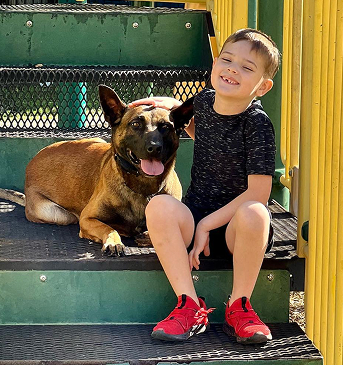
Building a bond with a protection dog comes from a steady routine, calm leadership, daily time together, and continued practice of the obedience your dog already knows. It’s built through trust and repetition, not force or rushing. Simple things like feeding, walking, grooming, and practicing commands help your dog learn that you’re dependable. A professionally trained protection dog is prepared to transfer its bond to a new handler, but that connection still needs time to grow. Follow the guidance provided by your dog’s trainer or provider.
Before Your Dog Arrives: Setting Up for Success
A designated place or crate will be chosen for the dog to rest undisturbed. You will have to determine the places from which the dog will eat, rest, and relieve himself. It is also important that the entire family reach an agreement regarding commands and boundaries, as well as determining who will take care of the dog in everyday life. In the first days, it is necessary not to allow visitors and trips that could excite the dog. At Scott’s K9, we provide the delivery of the dog and a handling course.
Week 1: Arrival, Routine, and First Impressions
During your protection dog first week home, the task is to make your dog feel secure by having a predictable schedule. The house environment must be peaceful, and you need to allow your dog some time to get used to everything around him/her. Always feed your dog, take him/her out and give him/her rest at the same time each day. You have to be the only one who provides him/her with food, exercises, and gives positive reinforcement to start building the relationship of trust between you and the dog.
Week 2: Consistency and Communication
This week, stick with the routine and use the same clear commands throughout the household. Practice short, positive obedience sessions each day. It’ll keep your dog’s training sharp while helping the two of you communicate. Add light, structured play and appropriate exercise to build rapport. Establishing leadership with a protection dog comes from consistency and firm boundaries, not harshness. Your dog is learning your voice, habits, and reactions. The more predictable you are, the easier it is for trust to grow.
Week 3: Expanding the Dog’s World
You’ll find that here you can gradually introduce new locations and walks, as well as other elements of your day-to-day activities. Practice obedience training exercises in an alternative environment to help the dog gain more confidence. Use the handler/provider’s guidelines to appropriately introduce new visitors. Pay attention to your dog’s body language – and read the dog’s comfort level from there. Always progress at your dog’s pace instead of rushing through new experiences.
Week 4: Settling into Life Together
By week four, most dogs are settling into the household rhythm and showing a stronger bond. You may notice relaxed behavior, better responsiveness, and greater comfort around the home. Keep expectations clear while helping your dog understand its place in the family. Daily obedience, exercise, and structure shouldn’t end when the first month does. They’re all a part of responsible ownership. Bonding continues well beyond 30 days, these first weeks create the foundation for the trust and teamwork you’ll build over time.
Principles That Build Trust with a Protection Dog
Consistency is key. Everybody must utilize the same commands, training methods, and rules. Lead with a cool head, confident and patient rather than aggressive and frustrated. Always reward the desired behavior to ensure your dog understands what you expect. It’s also important for you to remain engaged. You need to be the one who provides the food, physical activity, training, and affection as the change is taking place. Ultimately, time is most crucial. Every dog is different and takes its own amount of time to settle into a routine.
Common First-Month Challenges
Some hesitation is normal while your dog adjusts to new people and surroundings. It may also test boundaries as it learns the household rules. Changes in feeding, sleep, and exercise can take time to feel familiar. Stay calm, keep the routine steady, and don’t respond with frustration. If a concern continues or you’re unsure how to handle it, contact your provider for ongoing support. Remember, bonding continues beyond the first month. These early challenges are part of building the foundation.
The Importance of Handler Support
Professional guidance shouldn’t end when your dog is delivered. Stay in touch with your provider and ask questions as they come up. Scott’s K9 provides a handler course and after-sale support to help during the new protection dog transition. Still, long-term success depends on you. Daily reinforcement, structure, and responsible handling help keep your dog stable and reliable. Follow the handler guidance you received and all local laws. The bond will keep growing beyond 30 days when you continue putting that guidance into practice.
Key Takeaways
The first 30 days are about creating a steady routine, leading calmly, staying consistent, and practicing the obedience your dog already knows. Protection dog integration takes time and trust. It’ll continue growing well beyond the first month, so patience matters more than speed. Keep using the handler guidance and after-sale support available to you throughout the transition. These early weeks set the foundation for a strong partnership. If questions come up as your dog settles in, reach out to Scott’s K9 for guidance.