
- Yes, With the Right Dog and the Right Routine
- What Penthouse Living Actually Requires From a Protection Dog
- Exercise and Mental Stimulation in a City
- Elevators, Lobbies, and Shared Spaces: Urban Socialization
- Building Rules, Leases, and Local Laws to Verify First
- Are Belgian Malinois and German Shepherds Suited to City Life?
- A Realistic Day with a Protection Dog in a Penthouse
- When a Penthouse Is Not the Right Fit
- Key Takeaways
Yes, a fully trained protection dog can reside comfortably in a penthouse in the middle of a busy city. The personality of the dog, exercise, mental stimulation, structure, and socialization all come into play much more than the available square footage.
Buyers tend to have the belief that working breeds need acres of space. However, a calm, well-exercised dog can live quite happily in a vertical environment. This guide will explain everything from exercising to riding elevators, to building rules and breed suitability, as well as daily routines, and when situations don’t work so well.
Yes, With the Right Dog and the Right Routine
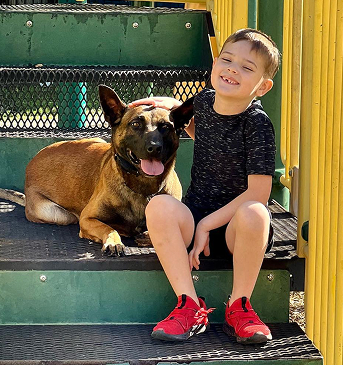
Can you keep a protection dog in a penthouse? Yes. This is absolutely doable when a professionally trained dog gets daily physical exercise, mental work, structure, and continued socialization. A protection dog needs a job and a routine – more than they need a yard.
Well-trained dogs are calm indoors because protective behavior is a controlled response, it’s not constant vigilance. However, not every dog or building suits high-rise dog ownership. Professional matching and written approval should always come first.
What Penthouse Living Actually Requires From a Protection Dog
Successful protection dog city living requires an environment that is stable, calm indoor behavior, reliable public obedience, and comfort with elevators, small spaces, noise, and foot traffic. A dog that is prepared for real-world settings should stay composed around neighbors, deliveries, service staff, and maintenance workers.
A reliable indoor off-switch is important because there is no outdoor release valve on demand. Still, penthouses do offer various advantages like secured elevator access, one controlled entry point, and a quiet top floor. These factors may reduce daily triggers.
Space vs. Structure: Why Square Footage Is Not the Deciding Factor
While dogs do not exercise themselves inside, regardless of how spacious the home is, a protection dog in an apartment can settle calmly as long as its needs are being met. A dog that is not exercised properly will always show signs of unrest wherever it finds itself. This is why a protection dog without a yard needs structure and daily activities that it can depend on. Other factors include:
- Provide an inside resting area that is away from foot traffic
- Keep predictable feeding, relief, and sleep routines
- Use flooring that provides traction to avoid slippage and anxiety
- Be sure that balconies and terraces are secure
Exercise and Mental Stimulation in a City
Plan meaningful daily exercise and mental work across several sessions instead of in one long burst. Protection dog exercise requirements vary by breed, age, and health. According to the American Kennel Club, working breeds tend to be at the higher end.
For those who live in the city, options include structured leash walks, stairs or treadmills, permitted park sessions, swimming, canine sport clubs, and professional day training. Add obedience, scent games, puzzle feeding, and place-and-duration work to strengthen the indoor off-switch.
A trusted walker or handler can help out, but they should always follow the owner’s commands and structure. Have different plans for changes in the weather, elevator outages, and limited park access so the routine works throughout the year.
Elevators, Lobbies, and Shared Spaces: Urban Socialization
An urban protection dog must be able to do several important things when it is being handled. It must be capable of riding in elevators, calmly moving through lobbies, walking past neighbors without incident, all while on a leash.
Each trip will mean sharing space in your city setting. In other words, your dog will be required to exhibit public behavior at a minimum level of neutrality.
Your urban protection dog will require leash control. He will need to walk loosely without becoming distracted by others or reacting negatively to people or other dogs that are encountered. It must be commanded into position and remain relaxed in confined spaces. These skills will prove necessary to successfully navigate the urban environment.
Each adult who handles the dog should use identical verbal cues; however, it will be the job of the owner to supervise and control their dog in public.
Building Rules, Leases, and Local Laws to Verify First
Before getting a protection dog, confirm your building’s rules, and get them in writing; building and municipal restrictions are common obstacles to urban protection dog ownership. It’s important to review leases, condo agreements, or co-op documents for any restrictions involving weight, size, breed, and pet-number limits, as well as fees, deposits, and board approval.
Be sure to check relief areas, elevator and entrance rules, noise policies, liability coverage, and vaccination or registration requirements. Municipal licensing, leash and noise laws, and breed-specific or dangerous-dog regulations will vary across different jurisdictions.
Breed restrictions still appear in leases and insurance policies, although groups including the American Veterinary Medical Association don’t support breed-specific legislation. Always follow handler guidance and local laws; and consult your attorney or insurer about specific requirements.
Questions to Ask Your Building Management or Board
Before the dog moves in, ask:
- Do governing documents or pet addenda have any restrictions on weight, size, or breed?
- Which entrances, elevators, and relief areas are approved?
- Is prior approval required, and what documents have to be submitted?
- What are the rules surrounding noise and nuisance and how are complaints handled?
- Do pet owners need to carry liability insurance?
Get all of the answers and approvals in writing. Keep all of the dog’s vaccination, training, licensing, registration, and insurance records readily available.
Are Belgian Malinois and German Shepherds Suited to City Life?
Both breeds can thrive in a city home when their needs are being met, but neither breed is low-maintenance. Belgian Malinois apartment living demands serious daily commitment. These dogs are intelligent, athletic, and driven, and they thrive on work and engagement.
German Shepherd apartment living can also work. A German Shepherd that is well-exercised often settles indoors, though size and shedding are real considerations in a small home.
The individual dog, however, matters more than the label. A stable, clear-headed dog with a strong off-switch is the best candidate for urban living. Professional matching should take activity level, travel, building constraints, and handling experience all into consideration, because neither breed suits every household.
A Realistic Day with a Protection Dog in a Penthouse
Having a regular routine for your protection dog provides structure and security. It keeps you on track regarding meeting needs at specific times throughout each day.
Day Structure
Start with a structured walk and a bathroom stop, followed by training sessions or meals. At mid-day, either playtime/physical activity or a professional (and trusted) walker helps to exercise your protection dog. End the afternoon calmly with an afternoon rest period. Finish your active day with another trip outside for exercise or scent training. Finally, end with a peaceful night for your dog that has a comfortable, safe place to settle down.
Keep an eye on grooming the dog, such as cleaning its paws after a walk in the city and brushing it to reduce shedding and the buildup of fur in your apartment.
Tips on Meeting Daily Needs and Managing a Realistic Routine
While your dog is always aware of entryways and should remain responsive to you, they should be relaxed in the home for the majority of the time. It’s better to have consistency rather than intense interaction with the dog throughout the day.
When a Penthouse Is Not the Right Fit
Although there are plenty of reasons why protection dogs can fit well into an apartment environment, there are some reasons why it may not be the right fit. Some of these include:
- If there is no one to provide daily exercise and structure
- The owner travels a lot and leaves the dog alone
- The building prohibits the dog
- Handlers who refuse guidance
- Handlers who are only interested in the dog for its visual deterrent
- Handlers who expect that the dog will manage itself
Rather than forcing an ill fit, adjust your routine, add professional support, or even reconsider the timing. A protection dog in an apartment adds a nice level of security, but it doesn’t replace building access controls, an overall security plan, or even responsible situational awareness.
Key Takeaways
Yes, a trained protection dog can thrive in a city penthouse when it gets enough exercise, mental work, structure, and urban socialization. Verify building rules first, along with insurance requirements and local laws in writing before making a purchase.
Breed doesn’t matter as much as the individual dog’s temperament, and the overall household’s commitment. The best protection dog for city families is stable, obedient, and comfortable in shared spaces, and is well-matched to the owner’s routine. Urban buyers can explore Scott’s K9’s available protection dogs or request a consultation about fit for their building and lifestyle.