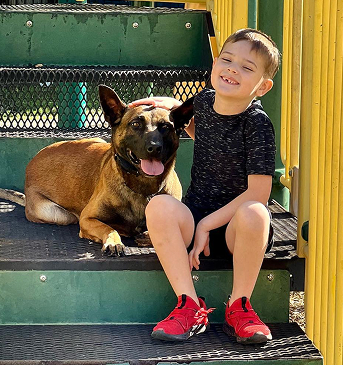

A properly introduced and well-socialized protection dog can live peacefully with other pets. Success depends on the dog’s temperament and socialization, the personalities of the animals that are already in the home, and the care that was taken during their first interactions. Most fully trained protection dogs stay stable and social in everyday settings, and this includes around other household animals.
It’s perfectly understandable to worry about whether a protection dog will tolerate another dog, cat, or a smaller pet. In most cases, though, being thoughtful about introductions and supervision can make coexistence possible. Here’s what owners should know about protection dog socialization with pets, introductions, managing different types of pets, and ultimately creating a calm and harmonious home.
Can Protection Dogs Live With Other Pets?
Yes. In most cases, a well-socialized protection dog can coexist safely and calmly with other pets. Temperament, previous socialization, gradual introductions, and close supervision all play a part. It’s still important to note that every animal is different, and no pairing comes with an absolute guarantee. Some dogs might become comfortable quickly, and others might need more time and ongoing management. Following professional guidance and letting animals adjust at their own pace will give the household the best chance of success.
Why Socialization Is the Foundation
A protection dog’s ability to live with other pets starts with a stable temperament and proper socialization. A dog that is well-socialized is more likely to stay calm and adaptable when it is around other animals, instead of fearful or reactive. Scott’s K9 completes each dog’s final training in a home environment which helps the dog become accustomed to family life and other pets. The combination of socialization and reliable obedience makes integration easier, and gives owners control when it comes to introducing the protection dog and other pets safely.
Making a Successful First Introduction
The act of introducing a protection dog to other pets should be gradual, calm, controlled, and positive. When possible, start the process in a neutral, low-stress setting. Keep the first meetings short and supervised, with the protection dog fully under the handler’s control. Watch both animals’ body language, reward calm behavior, and move forward at their pace rather than forcing them to interact. As part of the delivery and handover process, Scott’s K9 introduces the new dog to the household’s existing pets, giving owners professional guidance from that important first meeting.
Signs an Introduction Is Going Well or Needs a Pause
A relaxed posture, calm curiosity, and a willingness to look or move away are all encouraging signs during a first introduction. Stiffness, intense fixation, or stress signals from either animal means that it’s time to slow down. Calmly separate the pets and try again later with shorter, more gradual interactions. If the tension continues, seek professional guidance instead of forcing contact. A slower introduction is so much better than asking either animal to tolerate more than it can handle.
Protection Dogs and Other Dogs
Can protection dogs live with other dogs? Many do successfully after a proper introduction. Compatibility often depends on each dog’s sex, age, energy level, and temperament, so the individual match matters. Both dogs should have their own feeding areas, resting spaces, toys, etc., to reduce competition. Structure and supervision are also important during the early adjustment period. In Scott’s K9 client households, it’s common for a new protection dog to form a close bond with the family’s existing dog once they’ve been carefully introduced and given proper time to adjust.
Protection Dogs and Cats or Small Animals
Protection dogs and cats can cohabitate peacefully, although introductions might require some extra care because some dogs have a stronger prey drive than others. Introductions should be slow and controlled, and give cats elevated spaces and easy escape routes. Interactions with cats and smaller animals should remain supervised until trust is firmly established, while some small pets may always require separation for safety. Since temperament and adjustment speed vary, discuss every pet in your home with the provider so they can help match you with the right protection dog.
Setting Up a Harmonious Multi-Pet Household
A multi-pet household needs consistent routines, clear rules, and enough space for every animal. You should provide separate food and water bowls, beds, and quiet areas for each to reduce competition and allow each pet to decompress. Continue reinforcing the protection dog’s obedience, and supervise interactions as everyone settles in. Don’t expect instantaneous friendships. It takes time for harmony to develop, as the animals learn about one another’s habits and boundaries. Ongoing management and responsible handling will help keep the home predictable and safe.
The Role of Matching and Professional Guidance
Choosing the right protection dog for a multi-pet household can make a big difference. A reputable provider will consider the species, temperaments, ages, as well as the routines of your existing pets when matching and placing a dog. Scott’s K9 introduces the protection dog to other household pets at delivery and provides after-sale support for questions that you might have later. Follow the handler’s guidance during introductions and throughout the adjustment period. With the right match, consistent handling, and enough time, peaceful coexistence is much more likely to last.
Key Takeaways
Are protection dogs good with other animals? Yes. Well-socialized, properly introduced protection dogs can coexist safely with other pets in most households. The success of this depends on stable temperament, thoughtful matching, gradual introductions, close supervision, and each individual animal’s personality. No pairing is guaranteed, so responsible handling and continued management will be important even after the pets appear to be comfortable together. If you’re considering a protection dog in a multi-pet home, talk with Scott’s K9 about your current animals and what your household needs.