- When a Second Protection Dog Makes Sense
- Signs You May Need a Second Protection Dog
- Timing: When Is the Right Moment?
- How Two Protection Dogs Work Together
- Introducing a Second Dog to Your Home and Current Dog
- Practical Considerations before Adding a Second Dog
- Is a Second Protection Dog Right for You?
- Key Takeaways
There are a number of reasons why a second protection dog can be a smart choice: When your property or family has outgrown what one dog can reasonably cover, when your current protection dog is approaching retirement and you want a smooth transition, or when different family members or locations each need their own dedicated protection.
Adding a second protection dog depends on a number of factors including your current dog’s temperament, your ability to manage two protection dogs, and whether or not your lifestyle can support more than one working dog. Careful planning, proper introductions, and the right timing are essential when making this transition. This article goes over the signs that may indicate that it’s time for a second family protection dog, how to choose the right time, how multiple protection dogs in one home can work together, what to consider when you’re pairing dogs, how to introduce them successfully, and the practical responsibilities that are involved with expanding your K9 family.
When a Second Protection Dog Makes Sense
A second protection dog may be suitable when one dog can’t effectively cover your property or schedule any longer, when different family members or residences need their own protection, or when your current dog is approaching retirement and you’d like a successor protection dog to learn alongside it.
But, adding a second protection dog is only worthwhile if you have the time, commitment to training, and resources to properly manage two protection dogs. Additional dogs don’t automatically improve security; effective handling, coordination, and compatibility matter more. Ultimately, this decision depends on your protection needs, your capacity to care for multiple working dogs, and your current dog’s disposition.
Signs You May Need a Second Protection Dog
The best reason to get a second family protection dog is because you have a genuine need for extra security, not just that you want another dog. Common signs include:
- A larger property that one dog may not be able to cover alone
- More family members to protect
- Frequent separation of family members
- Two residences that need maintaining
Clearly, one protection dog can’t be in two places at once. How do you know when to get another guard dog? When one family member travels, the other stays at home, and both need to be protected. A growing family or an increased security concern might also warrant adding a second protection dog. Some owners introduce a successor protection dog before retirement so the younger dog can gain experience alongside the older one and provide a seamless transition. Pairing protection dogs also means layered coverage, with each dog responsible for different areas or routines.
Timing: When Is the Right Moment?
The best time to add a second family protection dog depends on your current dog’s age, their temperament and stability, and the readiness for one within your household. If the goal is continuity, there are many owners who introduce a successor protection dog while the first dog is still healthy, which is often around 7 to 9 years of age, so that there is time for both dogs to work together during the transition. Avoid introducing a second dog to a protection dog during big life changes like moving, a new baby, or even while the first dog is still adjusting to its role. A well-trained, settled protection dog will be the strongest foundation for successful integration. Plan ahead, because selecting and integrating a professionally trained protection dog will take time.
How Two Protection Dogs Work Together
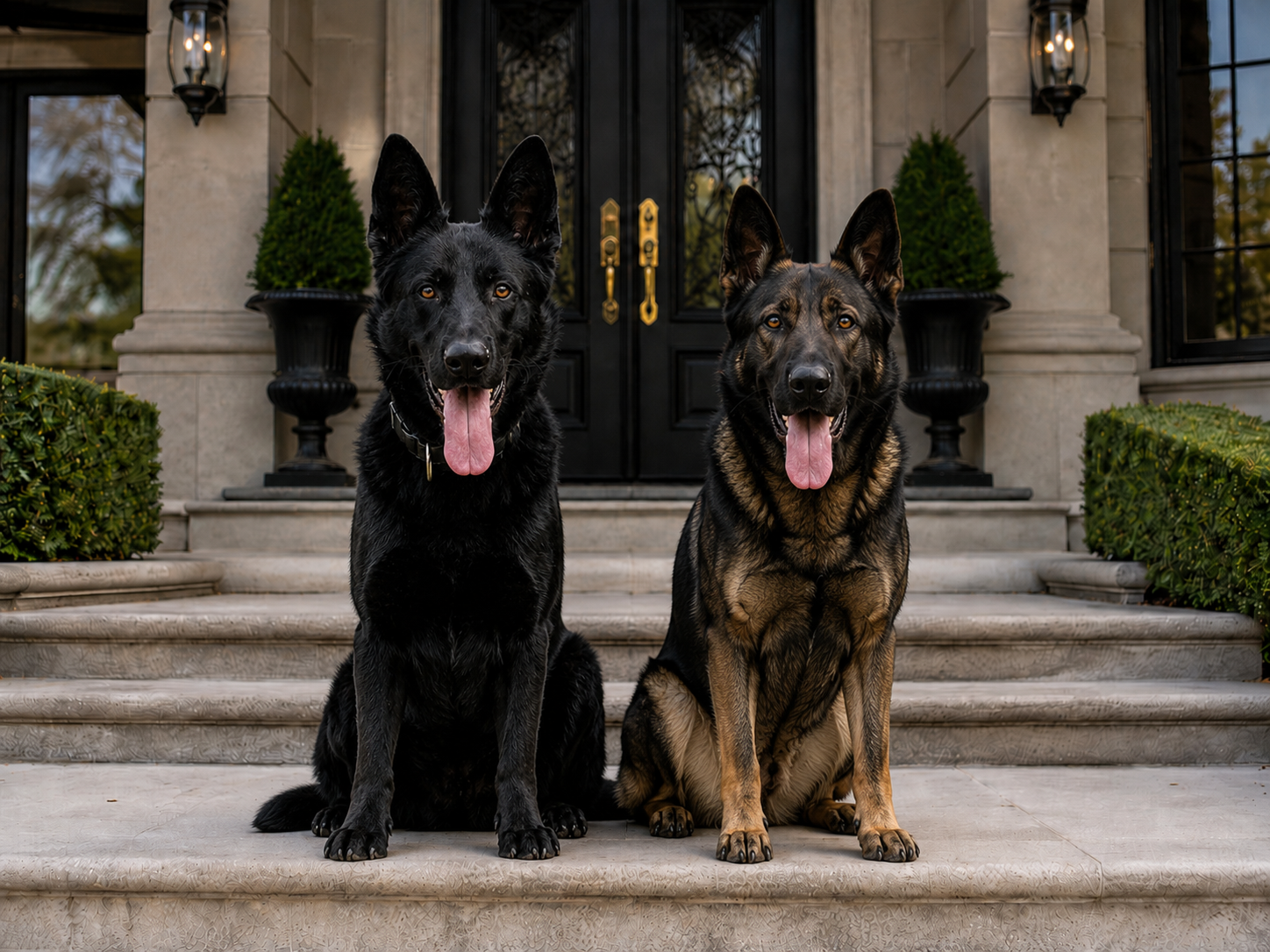
When they are properly trained and managed, two protection dogs can complement each other by covering more ground, providing backup, and adding overlap to a family’s security plan. However, multiple protection dogs in one home should be managed as individual working dogs, not as a pack that is expected to organize itself. Each dog requires ongoing training, predictable handling, and clear leadership to ensure reliable responses, without reinforcing each other’s excitement or arousal. Depending on what your needs are, pairing protection dogs might involve having them work in the same area, cover different property zones, or accompany different family members or residences. While two well-managed dogs can provide a stronger deterrent and greater flexibility, true success will depend on disciplined handling and continuous training.
Sex, Age, and Temperament Pairing
When it comes to pairing protection dogs, opposite-sex pairings are often the easiest to balance. Well-socialized dogs of the same sex, however, can live and work together successfully, with the proper management. An age difference can also ease the transition, allowing a mature dog to model calm, confident behavior for the younger companion. Matching energy levels and temperament will also make it easier for one dog to not overwhelm or unsettle the other. These guidelines are helpful, but individual temperament, training, and compatibility are far more important than general rules of thumb. An experienced protection dog trainer can help you evaluate both dogs and recommend the pairing that is most likely to succeed.
Introducing a Second Dog to Your Home and Current Dog
When you are introducing a second dog to a protection dog, before letting the dogs share space at home, start with gradual, controlled meetings on neutral ground. Aim for early interactions to be calm and positive, while carefully managing resources like food, toys, beds, and attention to reduce the sense of competitiveness between each other. Supervise the dogs closely during the adjustment period. Each should have its own space, and continue one-on-one training and time with family members so neither dog feels displaced. Maintaining familiar routines helps both dogs adjust. An experienced protection dog provider can guide the introduction process. As part of its placement process, Scott’s K9 personally delivers each dog, provides a handler training course, and assists with introducing the new dog to the family’s existing pets.
Practical Considerations before Adding a Second Dog
Before adding a second protection dog, be honest about the additional time, training, cost, space, and attention that two protection dogs will need. Responsibilities like feeding, exercise, veterinary care, and ongoing training, will all increase. Each dog still needs its own individual exercise, mental stimulation, and one-on-one attention. Make sure to confirm your coverage with your insurance provider as insurance and liability considerations may also change. And, be certain that your household has the consistency and capacity to successfully manage multiple protection dogs in one home. The goal is well-managed, thorough and complementary protection, not simply additional dogs.
Is a Second Protection Dog Right for You?
A second protection dog is the right choice if:
- You have a genuine need for additional coverage
- You want a continuity plan as your current dog approaches retirement
- Your existing dog is well-trained and stable
- Your household is prepared to manage two working dogs.
On the other hand, if your household is going through major changes, your first dog is still fitting into its role or you can’t provide the training, attention, and exercise that a second dog needs, it might be best to hold off. An experienced protection dog trainer can help you evaluate when the time is right, recommend the best pairing, and guide you through the introduction process. The goal isn’t to own more dogs, it’s to create a well-managed team that provides complementary, reliable protection for your family.
Key Takeaways
A second protection dog makes sense when your family needs more coverage, separate people or properties require protection, or you want continuity as your current dog approaches retirement. The best timing depends largely on your current dog’s stability and your household’s readiness. Many owners choose to overlap a younger dog with an older one to ensure continuity. When you’re trying to answer the question: Do I need two guard dogs? Consider that two protection dogs can work together effectively, but each dog should be managed as an individual. Each should have its own consistent training, clear leadership, and an ongoing relationship with the family. You should also take into account thoughtfully pairing protection dogs by sex, age, and temperament, introducing them gradually on neutral ground, and being realistic about the added time, cost, daily care, and insurance considerations that come with multiple working dogs. With the help of an experienced protection dog professional, you can determine whether adding another dog is the right long-term decision for your family.