- How a Protection Dog Tells the Difference
- It Starts with Selection and Temperament
- The Role of Socialization
- How Dogs Read Context and Body Language
- Scenario-Based Training and Controlled Response
- The Handler’s Role in Discernment
- Introducing Guests to Your Protection Dog
- What a Well-Trained Response Looks Like
- Key Takeaways
There are several ways a well-trained protection dog distinguishes threats from guests, these include careful selection, stable temperament, extensive socialization, obedience, and its own scenario-based training. Instead of reacting to every unfamiliar person, the dog learns to read a person’s body language, the context of the situation, and cues from its handler; all while staying calm unless a genuine threat is present. Discernment and control, and not indiscriminate aggression, are the hallmarks of a quality protection dog. Understanding how protection dogs distinguish threats involves an examination of temperament and selection, socialization, how dogs interpret human behavior, the role of the handler, and what an appropriate, controlled response looks like.
How a Protection Dog Tells the Difference
Do protection dogs know the difference between threats and guests? Properly trained dogs learn how to distinguish them through stable temperament, thorough socialization, reliable obedience, and training that emphasizes context and control. Rather than treating every stranger as suspicious, they default to calm and social behavior. Protective behavior is a trained response; it’s not a constant state of aggression. The dog takes body language, movement, tone, surroundings, and handler signals all under consideration. Because protection dog threat assessment is not a decision made independently by the dog, consistent handler guidance and structure are of the utmost importance throughout the dog’s life.
It Starts with Selection and Temperament
Effective protection dog threat assessment starts with choosing a confident, stable, clear-headed dog, not one that is fearful or indiscriminately reactive. Belgian Malinois and German Shepherds are commonly chosen for their intelligence, confidence, and trainability. Suitability, however, isn’t solely determined by breed alone. Individual protection dog temperament matters so much more than simply appearance or pedigree. A stable dog is better equipped to stay composed, take in and evaluate its surroundings, and then respond appropriately. Nervous or unstable dogs might misinterpret ordinary interactions, this is why selecting your protection dog should be based on dependable behavior and measured responses.
The Role of Socialization
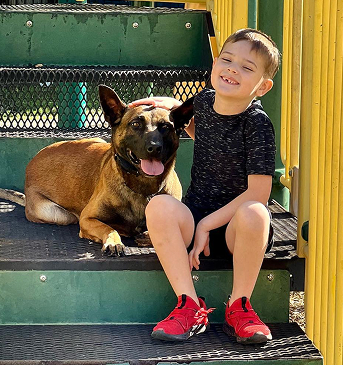
Extensive protection dog socialization teaches a dog that most people, places, and everyday situations are normal and not threatening. With structured exposure to different environments, visitors, sounds, movements, and routine activities, the dog establishes a calm baseline. A protection dog that is well-socialized has learned to treat family, friends, delivery people, household guests, and public settings like ordinary parts of life, and not reasons to react. This is the foundation that allows the dog to remain safe, social, and manageable within a family environment. And this is why socialization should continue throughout the dog’s life. Regular exposure and clear expectations help preserve the protection dog’s confidence, stability, and appropriate behavior.
How Dogs Read Context and Body Language
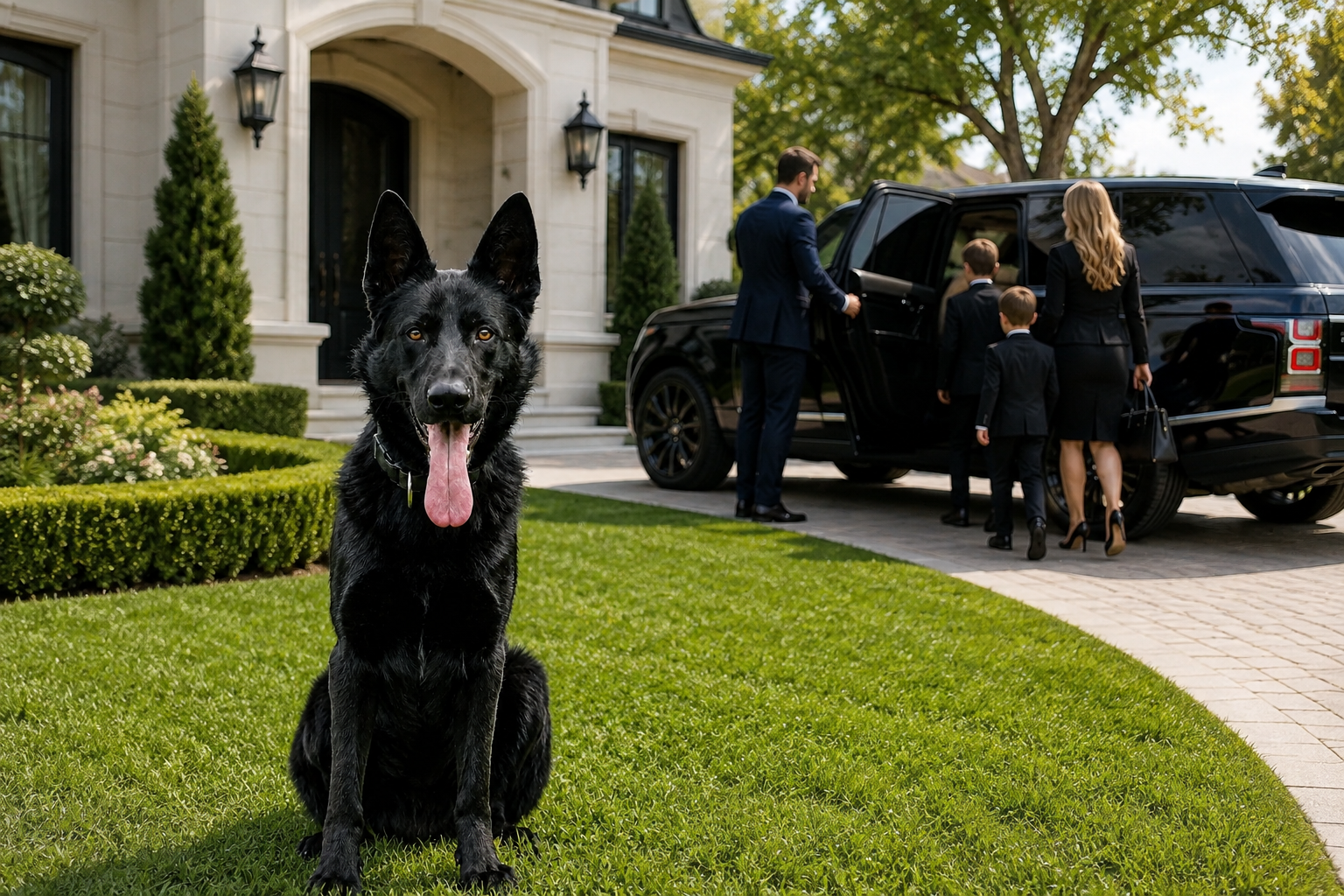
Explaining how protection dogs know who to protect against starts with their skillful ability to read context. Through training, protection dogs become highly attuned to human body language, movement, tone of voice, and emotional energy. Through controlled protection training, they learn how to notice behavior that is different from ordinary interactions, while routine activity is treated as safe. A guest who is welcomed warmly by the handler creates a much different context from someone who has intruded unexpectedly. The dog considers the overall interaction, not just one movement or unfamiliar person. A handler that is calm and welcoming signals to the protection dog that an accepted visitor doesn’t require a protective response.
Scenario-Based Training and Controlled Response
Scenario-based work is at the heart of how protection dogs are trained to assess threats in real-world environments. Training emphasizes obedience, environmental stability, and responsiveness. This is so the dog can respond appropriately and also disengage when it is directed to do so. Controlled protection training teaches the dog to stay composed – until the circumstances and handler guidance warrants a response. A hallmark of quality training is a dog that engages only when it’s appropriate, is responsive throughout the situation, and stops on command. The goal here is a dog that isn’t just protective, but one that is also discerning and controllable.
The Handler’s Role in Discernment
The handler and owner are central to reliable behavior because the dog is always taking cues from a calm, confident leader. Properly introducing guests, keeping routines familiar, obedience reinforcement, and structure help the dog understand what is expected. Scott’s K9 provides a handler course at delivery to help owners integrate the dog, manage the introductions, and reinforce appropriate responses. No protection dog behaves the same way in every environment or circumstance, so responsible ownership doesn’t end with professional training. Proper handling and ongoing guidance are needed for consistent, dependable discernment while the dog adjusts to its home and encounters new situations.
Introducing Guests to Your Protection Dog
When you’re ready to introduce a guest, let the dog observe the handler and calmly welcome the visitor. This helps the dog discern that the person has been accepted, and isn’t to be considered a threat. Maintain the dog’s routine and use the clear commands and procedures that were established during handler training. Give the dog enough time and space to become comfortable without forcing immediate attention or physical interaction. Visitors should be informed to follow the handler’s directions, and then let the dog approach them naturally when it’s appropriate. Following the provider’s handling guidance supports smoother introductions, and will address the common concern: are protection dogs safe around visitors?
What a Well-Trained Response Looks Like
A well-trained protection dog stays calm and social with welcomed guests, it becomes attentive when something is authentically unusual, and is always responsive to the handler. The dog isn’t aggressive by default and shouldn’t react randomly to friends or routine visitors. The dog’s behavior should reflect stable temperament, sound training, and handler control. Responsible handling and realistic expectations matter a great deal, because no dog can perfectly interpret every circumstance. A protection dog provides an additional layer of security, but it should complement, and not replace, appropriate home security measures.
Key Takeaways
Discernment is developed through careful selection, stable temperament, extensive socialization, reliable obedience, scenario-based training, and consistent handler involvement. A well-trained protection dog should be calm and social with welcomed guests, but also attentive, responsive, and controlled when something is genuinely off. Responsible ownership, continued structure, and realistic expectations help to preserve this balance once the dog enters the home. Remember, protection dogs aren’t infallible or independently responsible for family safety, they aren’t robots. They can provide, however, a valuable additional layer of security. Readers are welcome to learn more about Scott’s K9 training approach and the protection dogs that are currently available.