
- What Is Family Protection Dog Training?
- How Technology Is Changing Family Protection Dog Training
- Why Modern Handlers Use More than In-Person Training Alone
- How Video-Based Learning Supports Family Protection Dog Training
- What Role Do GPS and Activity Tracking Tools Play?
- Why Remote Coaching and Follow-Up Matter After Placement
- How Monitoring Tools Can Support Safety and Routine
- Technology vs Traditional Family Protection Dog Training: What Is Different?
- What Technology Can and Cannot Replace in Protection Dog Training
- Common Mistakes to Avoid When Using Technology in Dog Training
- How to Use Technology to Support Better Family Protection Dog Training Outcomes
Nearly every area of modern life has been influenced by technology, and this even includes the way families handle protection dogs and obedience. While hands-on experience is still the main avenue to successful training, many trainers and handlers now use digital tools to reinforce communication and consistency. Scott’s K9 emphasizes that real-world experience, temperament assessment, and structured handling is still essential, but technology can certainly help.
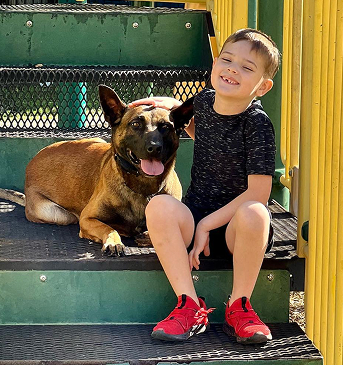
What Is Family Protection Dog Training?
Family protection dog training focuses on developing a dog that can safely live within a household. This while maintaining their advanced obedience, stability, and controlled protective instincts. Unlike dogs that are trained purely for sport or kennel environments, these dogs must be able to function consistently and reliably around children, guests, daily routines, and changing situations.
How Technology Is Changing Family Protection Dog Training
Technology has introduced new ways for trainers and handlers to communicate and review progress. Much of the training, in the past, relied on in-person sessions alone. While hands-on work will always be critical, modern training technology now allows families to reinforce training outside formal sessions.
Here are some commonly used tools:
- Video demonstrations
- Remote coaching sessions
- GPS tracking systems
- Activity monitoring devices
- Digital progress tracking
- Virtual follow-up consultations
These tools don’t replace practical training, but they can help to reinforce routines and communication between trainers and handlers.
Why Modern Handlers Use More than In-Person Training Alone
Many families benefit from additional support between the in-person, formal sessions, and can use technology to:
- Review commands
- Reinforce consistency
- Monitor routines
- Ask follow-up questions
- Track behavioral patterns
How Video-Based Learning Supports Family Protection Dog Training
Trainers may provide instructional videos that demonstrate:
- Proper leash handling
- Obedience reinforcement
- Positioning techniques
- Household structure
- Correct timing for commands
For family protection dog training, consistency matters a lot. If family members interact with the dog differently, the dog can get confused over time. Video references can help standardize expectations for everyone in the home.
Video-based learning can also support remote coaching sessions. Trainers are able to review handling techniques and identify areas that might need adjustment.
What Role Do GPS and Activity Tracking Tools Play?
GPS tracking and activity monitoring tools are becoming increasingly common among dog owners. They can help with:
- Increased chance of recovery if the dog is lost
- Tracking movement patterns
- Monitoring the dog’s location during off-leash activities
Activity monitoring devices can also provide info about:
- Exercise levels
- Sleep patterns
- Daily routines
- Changes in activity/ behavior
Monitoring tools can identify changes in behavior that might indicate stress, discomfort, or inconsistent routines.
While technology can provide useful information, it shouldn’t replace observation, handling experience, or professional evaluation.
Why Remote Coaching and Follow-Up Matter After Placement
The learning process doesn’t end when a dog goes home. The adjustment period after placement is often one of the most important stages of family protection dog training.
Remote coaching can help families:
- Reinforce obedience routines
- Address questions right away
- Maintain consistency
- Troubleshoot behavioral concerns
- Improve confidence
Remote coaching can often provide reassurance during the early stages of ownership.
Technology now allows trainers to conduct virtual follow-ups. This might include live demonstrations, observation sessions or progress reviews. It’s important to note that virtual support works best as an extension of formal training, and not a replacement for it.
How Monitoring Tools Can Support Safety and Routine
Consistency is extremely important when it comes to family protection dog training. Monitoring tools can help families establish more predictable routines for exercise, feeding, crate time, and sleep schedules.
Routine tracking may help handlers:
- Identify patterns that aren’t consistent
- Monitor the dog’s physical activity
- Reinforce stability within the household
Some smart home tools can also help with scheduling reminders for feeding, training sessions, or medication, when applicable. These systems can support organization and accountability within busy homes.
Technology vs Traditional Family Protection Dog Training: What Is Different?
Traditional family protection dog training relied almost exclusively on direct interaction between the trainer, dog, and handler. Modern programs still rely heavily on this, but technology has expanded the ways trainers can support families.
Families may now receive:
- Ongoing educational content
- Faster communication
- Virtual support
- Digital training references
Technology can support learning, but it can’t fully recreate hands-on experience.
What Technology Can and Cannot Replace in Protection Dog Training
Even though there are limitations as to what digital tools can accomplish on their own, technology can improve communication and support consistency. Modern tools may help families review techniques, reinforce structure, monitor routines, support remote coaching, and track progress over time. Tech resources can help handlers stay engaged with the training process between formal sessions.
Technology can’t, however, replace necessary components of protection dog training like proper temperament assessment, real-world environmental exposure, physical handling skills, controlled training scenarios, or professional trainer experience. Family protection dog training still depends heavily on direct interaction, observation, confidence, and repetition from trainers and handlers in real-world situations.
Common Mistakes to Avoid When Using Technology in Dog Training
Yes, training technology can be helpful, but relying on it too much can lead to common mistakes like:
- Using inconsistent commands that come from multiple online sources
- Ignoring professional guidance
- Relying completely on videos with no hands-on practice
- Depending too heavily on gadgets
- Assuming technology replaces repetition
Tools alone don’t create reliability. Consistent handling, clear communication, and proper reinforcement are always important when it comes to family protection dog training.
How to Use Technology to Support Better Family Protection Dog Training Outcomes
The best way to approach protection dog training is by combining modern tools with proven, traditional fundamentals. Technology is a supplement to structured handling, it’s not a shortcut. It can be used to improve communication, reinforce routines, and maintain consistency. Long -term success will always depend on responsible ownership and proper training practices.
For families who are researching advanced obedience and protection dog training, working with experienced providers is what is most important. Scott’s K9 emphasizes balanced training, household stability, and practical real-world preparation that is designed to support long-term success within family environments. Interested in bringing a protection dog into your home? Give Scott’s K9 a call today.