- What Is a Protection Dog?
- Male vs Female Protection Dog: Key Differences
- Temperament Differences between Male and Female Protection Dogs
- Training Considerations for Male vs Female Protection Dogs
- Family Compatibility and Lifestyle Fit
- Protection Performance: Does Gender Matter?
- Size and Physical Differences
- Pros and Cons of Male Protection Dogs
The decision of choosing a protection dog should not solely be based on physical appearance or breed. One of the most common questions is whether gender is a factor when it comes to performance, temperament, and compatibility. While it’s true that the discussion around a male vs female protection dog can be helpful, it’s actually just a small part of a much larger picture.
What Is a Protection Dog?
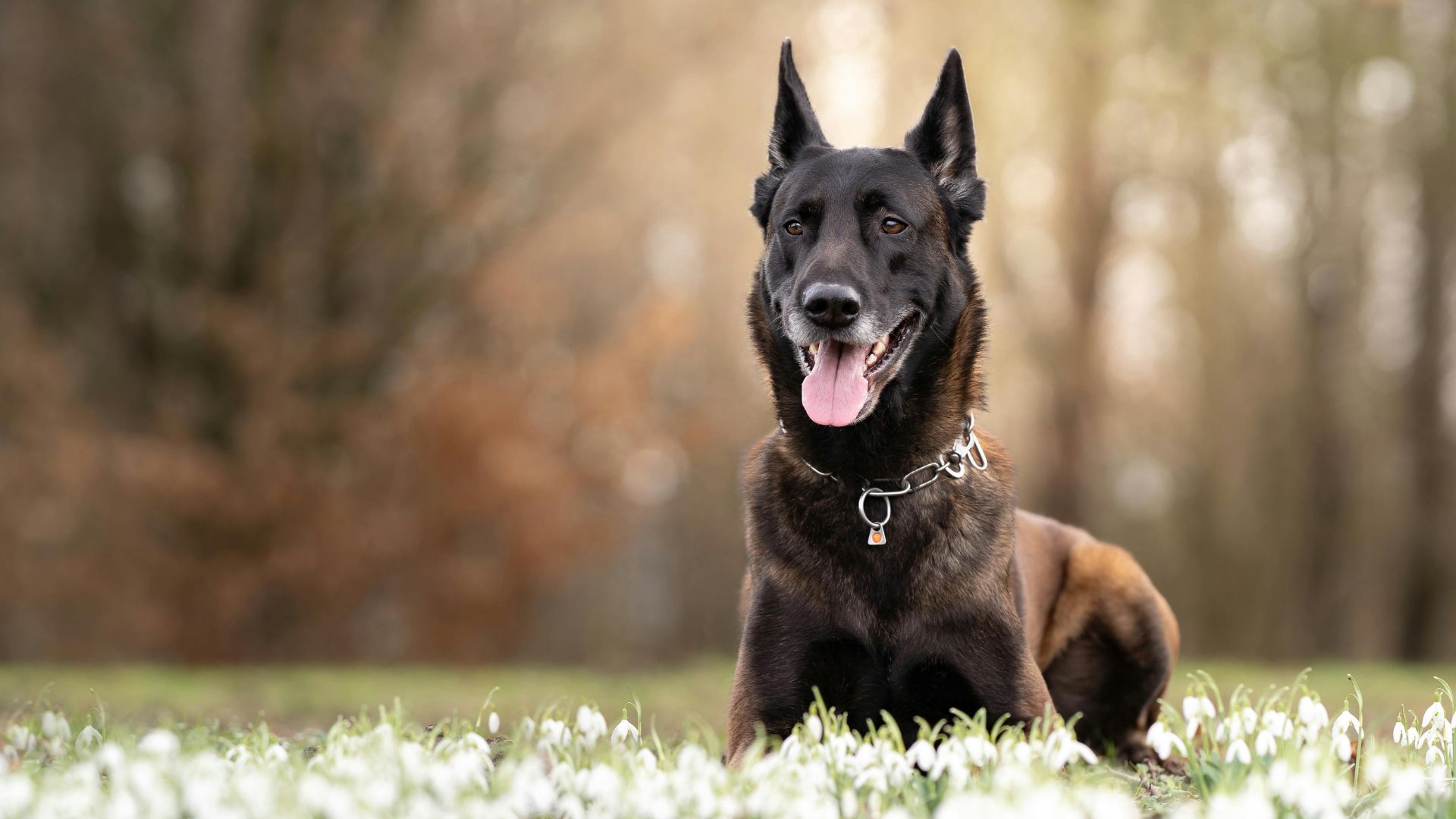
A protection dog is specially trained, which means it’s capable of providing companionship as well as security.
A well-trained protection dog is expected to show control and obedience at all times, irrespective of the environment. A well-trained protection dog is not reactive or aggressive unless there is cause. A well-trained protection dog responds only when necessary, staying calm in normal situations.
Male vs Female Protection Dog: Key Differences
When comparing a male vs female protection dog, the differences can be subtle but may still influence your experience as an owner. Male vs female protection dogs may vary in size, maturity rate, and behavioral tendencies, but these are differences that are certainly not absolute.
Generally, male dogs are often slightly larger and may exhibit more assertive behavior. Females, on the other hand, tend to mature faster and may show sharper focus at an earlier age. Remember, though, that these are tendencies and not hard and fast rules.
Temperament Differences between Male and Female Protection Dogs
One of the most discussed protection dog gender differences is temperament. The male protection dog temperament may be described as confident, steady, and sometimes more outwardly assertive. Males might take longer to fully mature, but most develop consistently strong working drives.
On the other hand, female protection dog temperament is usually described as more intuitive and responsive. Females may bond closely with their handler and show high levels of focus during training. When comparing female vs male guard dogs, females may be perceived as more attentive, while males may be seen as more imposing.
These differences, though, are generalizations. When evaluating a male vs female protection dog, temperament should always be assessed on an individual basis.
Training Considerations for Male vs Female Protection Dogs
Training is one of the most important elements when comparing male vs female protection dogs.
- Females have a tendency to mature faster and become responsive earlier.
- Males are fully able to reach similar levels of reliability with time and consistency.
- Training style and handler experience are also big influencers in the male protection dogs vs female debate.
- A program that focuses on obedience, environment, and control will shape behavior much more than whether the dog is male or female.
- Consistency, clear communication, and reinforcement are all important, regardless of the dog’s gender.
These factors often outweigh any inherent protection dog gender differences.
Family Compatibility and Lifestyle Fit
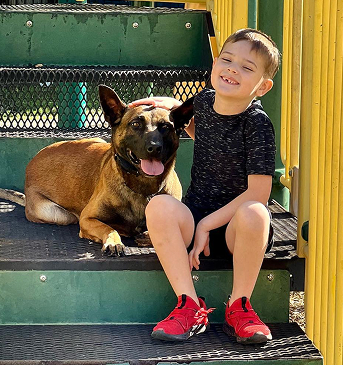
When it comes to finding the best protection dog for families, the biggest consideration should be lifestyle, not necessarily the dog’s gender.
Some families find that female dogs, which tend to be more attentive and adaptable, are able to integrate smoothly. Others may prefer males because of their physical presence and steady demeanor. The key is choosing a dog whose energy level, temperament, and training all work well with your situation. Choosing a protection dog should always involve evaluating how the dog will interact with children, guests, and the daily routine of the home.
Protection Performance: Does Gender Matter?
There’s a common misconception that one gender performs better than the other in protection work. In reality, male vs female protection dogs can both perform at high levels when they are trained properly.
Protection performance takes into account things like nerves, confidence, drive, and training, but definitely not gender. While male protection dogs vs female comparisons usually highlight physical presence, the dog’s true effectiveness comes from their ability to maintain their control and stability.
In most cases, protection dog gender differences have very little impact on the dog’s actual performance. A well-trained dog, regardless of their gender, will be able to assess threats and respond in the appropriate way.
Size and Physical Differences
Most people would agree that size is one of the more noticeable differences when evaluating a male vs female protection dog. Males are usually larger, giving them a more imposing physical presence. Some owners may prefer this larger physical presence for deterrence reasons.
Females, on the other hand, are typically smaller and more agile, and, this too, can be beneficial in certain environments. When comparing female vs male guard dogs, size may have an influence on personal preference, but it certainly doesn’t determine the dog’s capability.
Pros and Cons of Male Protection Dogs
Male protection dogs are usually known for their size, presence, and their reliable working style. The male protection dog temperament might appeal to people who are looking for a confident and consistent companion.
However, males can also take longer to mature than females, and therefore may require more patience during early training.
Pros and Cons of Female Protection Dogs
Female protection dogs tend to mature more quickly, and are known for their responsiveness. The female protection dog temperament can also make them highly-trainable and attentive.
Females are sometimes seen as more adaptable to household situations. However, they may also be smaller in size than the males, which may or may not align with the owner’s preference.
Factors More Important Than Gender
- The dog’s temperament
- Training quality
- The dog’s ability to stay stable under stress
When you’re choosing a protection dog, work with experienced professionals like those at Scott’s K9. They will ensure that the dog matches your specific needs.
Choosing the Right Protection Dog for Your Needs
The decision between choosing a male vs female protection dog basically comes down to personal preference and the best fit for the situation. Both male vs female protection dogs have the ability to provide exceptional protection and companionship, when they are properly trained.
It’s most effective to evaluate the dog as a whole: its temperament, training, and compatibility with your environment. Those who are looking for the best protection dog for families can rest assured that both genders meet those needs when they are appropriately matched.
If you are exploring your options and want guidance on choosing a protection dog, Scott’s K9 can help match you with a dog that fits your lifestyle and security goals.